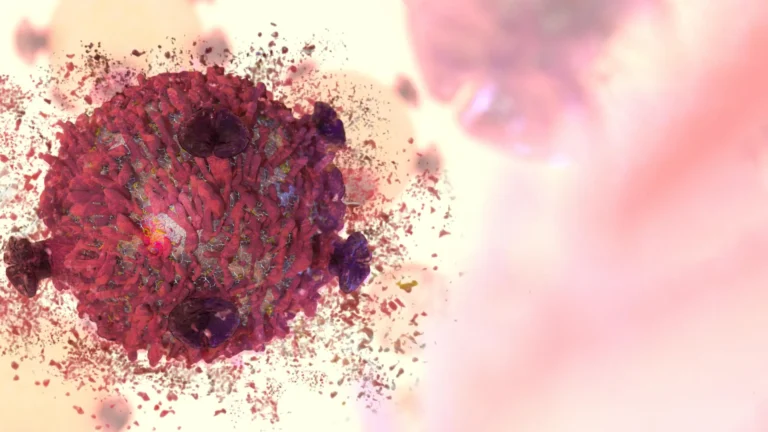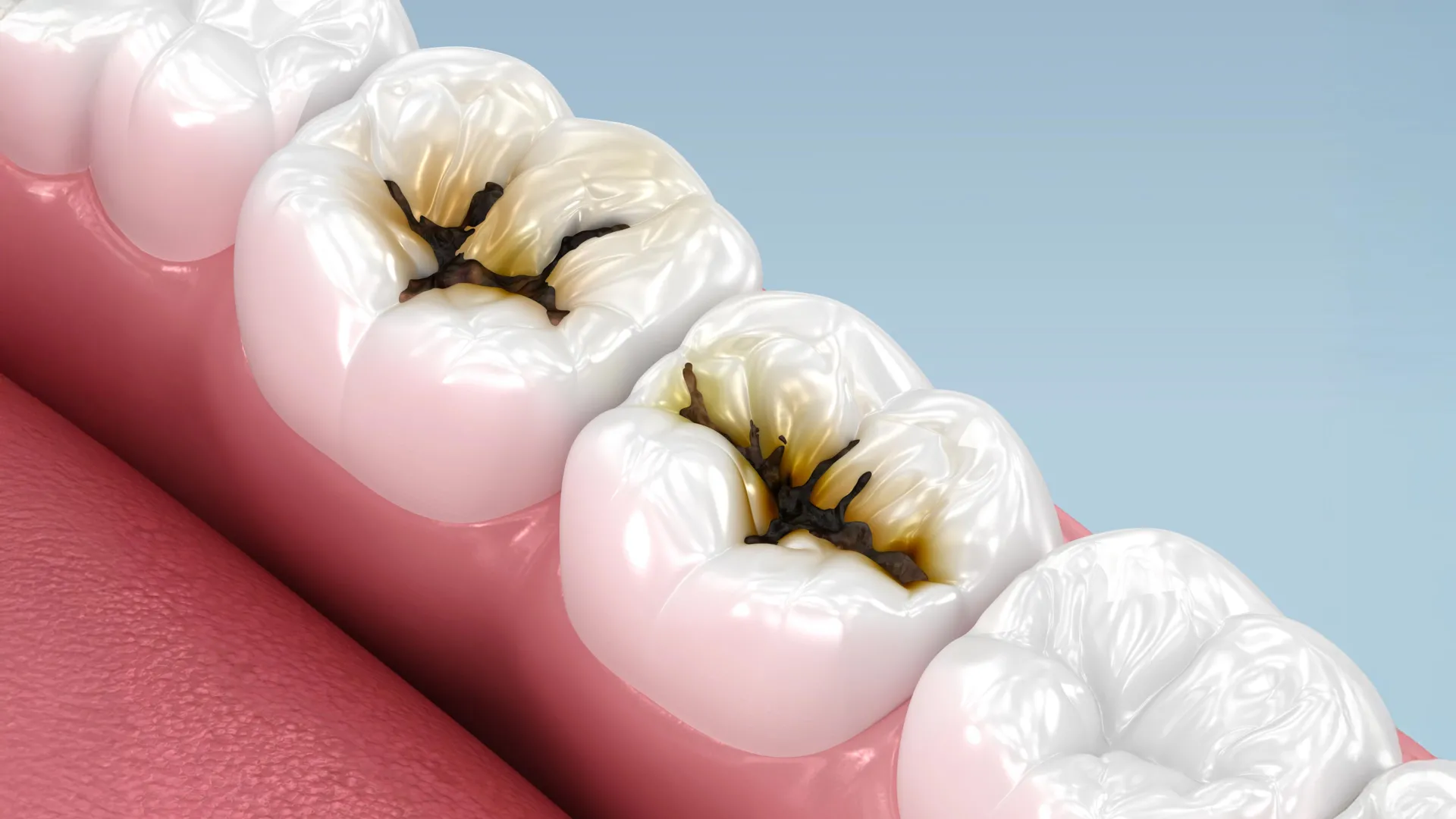
The relentless assault on tooth enamel, the root cause of cavities, commences with microscopic adversaries: oral bacteria. These ubiquitous microorganisms, when exposed to sugars derived from dietary intake, engage in a metabolic process that liberates acidic byproducts. Over time, these corrosive substances systematically degrade the mineralized surface of teeth, initiating the insidious process of demineralization that culminates in the formation of carious lesions. Crucially, these cariogenic bacteria do not operate in isolation; instead, they coalesce into complex, organized communities known as dental biofilms, often referred to as plaque. These tenacious biofilms adhere tenaciously to the tooth’s surface, creating a microenvironment where the production and concentration of acids can be significantly amplified, thereby accelerating the destructive cascade.
Recent scientific inquiry has illuminated the significant role of arginine, an amino acid intrinsically present within human saliva, in mitigating the progression of tooth decay. A subset of beneficial oral bacteria possesses a specialized metabolic pathway, the arginine deiminase system (ADS), which enables them to transform arginine into alkaline compounds. These alkaline substances act as crucial buffers, effectively neutralizing the harmful acids generated by pathogenic bacteria. The research indicates a direct correlation between the availability of arginine and the ecological balance within the oral microbiome. Elevated levels of arginine appear to foster the proliferation of these protective, acid-neutralizing bacteria, while simultaneously hindering the growth and acid-producing capabilities of detrimental bacterial species. Previous in vitro studies, conducted in laboratory settings devoid of the complex physiological conditions of the human mouth, had already suggested that arginine could instigate profound alterations in the structural composition and functional characteristics of dental biofilms.
To rigorously validate whether these promising laboratory observations translate into tangible benefits within the dynamic environment of the human oral cavity, a dedicated team of researchers, spearheaded by Postdoctoral Fellow Yumi C. Del Rey and Professor Sebastian Schlafer at Aarhus University in Denmark, embarked on a comprehensive clinical study. The groundbreaking findings emanating from this investigation have been formally disseminated through publication in the esteemed journal, the International Journal of Oral Science.
The experimental design of this pivotal study involved a cohort of twelve participants who were diagnosed with active tooth decay, signifying a clear vulnerability to the carious process. Each participant was outfitted with custom-fabricated dental prostheses, specifically engineered to facilitate the precise collection of intact dental biofilms from bilaterally symmetrical regions of the oral cavity. The participants were instructed to immerse these specialized prostheses into a standardized sugar solution for a defined period of five minutes. Immediately following this sugar exposure, one side of the mouth received a rinse with distilled water, serving as a placebo control, while the contralateral side was treated with an arginine solution. This regimen was systematically replicated three times daily, with the arginine application consistently directed to the same designated side of the mouth throughout the study duration.
Professor Sebastian Schlafer, a leading authority in the Department of Dentistry and Oral Health, elucidated the primary objective of this meticulously planned experiment: "The overarching goal was to thoroughly investigate the multifaceted impact of arginine intervention on the prevailing acidity levels, the specific taxonomic composition of the bacterial consortia, and the intricate carbohydrate matrix inherent to dental biofilms collected from patients exhibiting active caries." Following a four-day period, a duration deemed sufficient for the complete maturation and establishment of the biofilms, the prostheses were carefully retrieved for subsequent in-depth laboratory analysis.
A critical aspect of the investigation focused on quantifying the internal acidity of the biofilms, a key determinant of their cariogenic potential. To achieve this, the researchers employed a sophisticated pH-sensitive fluorescent dye, known by its designation "C-SNARF-4." This advanced staining technique enabled a spatially resolved assessment of acidity across diverse microdomains within the biofilm structure. The comparative analysis revealed a striking difference: biofilms that had undergone arginine treatment consistently exhibited significantly higher pH values, indicative of markedly reduced acidity, at both the 10-minute and 35-minute intervals post-sugar exposure, when contrasted with the placebo-treated biofilms.
"Our empirical results clearly demonstrated discernible disparities in the acidity profiles of the biofilms," stated Yumi C. Del Rey, the lead author of the study, emphasizing the protective effect observed. "Specifically, those biofilms subjected to arginine treatment displayed a substantially enhanced resilience against the acidification cascade typically triggered by the metabolic processing of sugars."
Beyond the direct measurement of acidity, the research team also delved into the structural architecture and the constituent carbohydrate components of the biofilms. Employing fluorescently labeled lectins, which are proteins with a specific affinity for particular carbohydrate structures, the researchers meticulously examined two principal carbohydrate entities: fucose and galactose. These saccharides are recognized as major structural constituents of dental biofilms and are hypothesized to play a role in the formation of localized "acidic pockets" that effectively trap and concentrate corrosive acids in close proximity to the tooth surface.
The examination of biofilms subjected to arginine intervention revealed a notable reduction in fucose-containing carbohydrates, a modification that could potentially diminish their capacity to contribute to acid retention and subsequent enamel demineralization. Furthermore, a discernible structural reorganization was observed within the arginine-treated biofilms. Carbohydrates rich in galactose exhibited a spatial redistribution, becoming less prevalent at the base of the biofilm, closer to the tooth surface, and more concentrated towards the apical regions. This migratory shift suggests a structural adaptation that may serve to limit the accumulation of deleterious acids in the immediate vicinity of the enamel.
The investigation also meticulously scrutinized the microbial populations residing within the biofilms. Through the sophisticated analysis of bacterial DNA utilizing 16S rRNA gene sequencing, researchers were able to identify and quantify the diverse bacterial species present. While biofilms treated with either arginine or the placebo were predominantly colonized by species belonging to the Streptococcus and Veillonella genera, a significant impact of arginine was observed. Specifically, arginine treatment led to a pronounced decrease in the relative abundance of the mitis/oralis group of streptococci. This particular subgroup of streptococci is known for its acid-producing capabilities, yet exhibits a limited capacity for generating alkaline buffering compounds.
Concurrently, the presence of Streptococcus species that demonstrate a superior aptitude for metabolizing arginine experienced a modest yet significant increase following arginine application. This subtle but crucial shift in the microbial community composition, characterized by a relative enrichment of arginine-utilizing bacteria and a reduction in acid-producing, alkali-weak species, contributed directly to the observed elevation in pH levels within the biofilm matrix. Collectively, these findings provide compelling evidence that arginine exerts a multifaceted protective effect against dental caries by effectively reducing biofilm acidity, modulating the composition of its carbohydrate matrix, and beneficially reshaping the resident microbial community.
The pervasive global burden of tooth decay, affecting individuals across all age demographics, underscores the urgent need for effective preventive strategies. The researchers posit that the strategic incorporation of arginine into commonly used oral hygiene products, such as toothpastes and mouthwashes, could represent a safe and highly effective therapeutic avenue for individuals exhibiting a heightened susceptibility to cavity formation. Given that arginine is a naturally occurring amino acid synthesized endogenously by the human body and is abundantly present in a wide array of dietary protein sources, its safety profile is well-established. This inherent safety makes it a particularly promising candidate for inclusion in oral care formulations, potentially even for pediatric populations.
About the Author