The global struggle against antimicrobial resistance (AMR) represents one of humanity’s most pressing health challenges, threatening to undermine decades of medical advancement. In this critical context, scientists are increasingly turning to Earth’s most extreme environments, seeking clues to how microorganisms evolve and adapt. These frozen, often overlooked realms serve as natural time capsules, preserving biological information spanning millennia. A recent groundbreaking study, detailed in Frontiers in Microbiology, has spotlighted such a discovery from the heart of Romania, offering a complex dual perspective: a stark warning about the natural origins and persistence of antibiotic resistance, alongside a beacon of hope for novel therapeutic solutions.
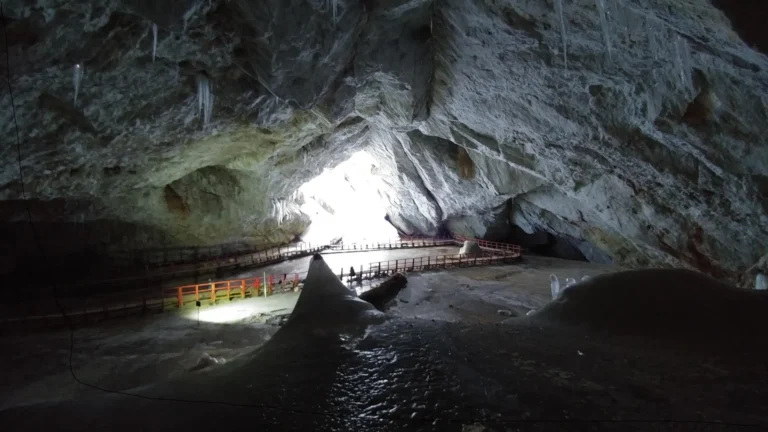
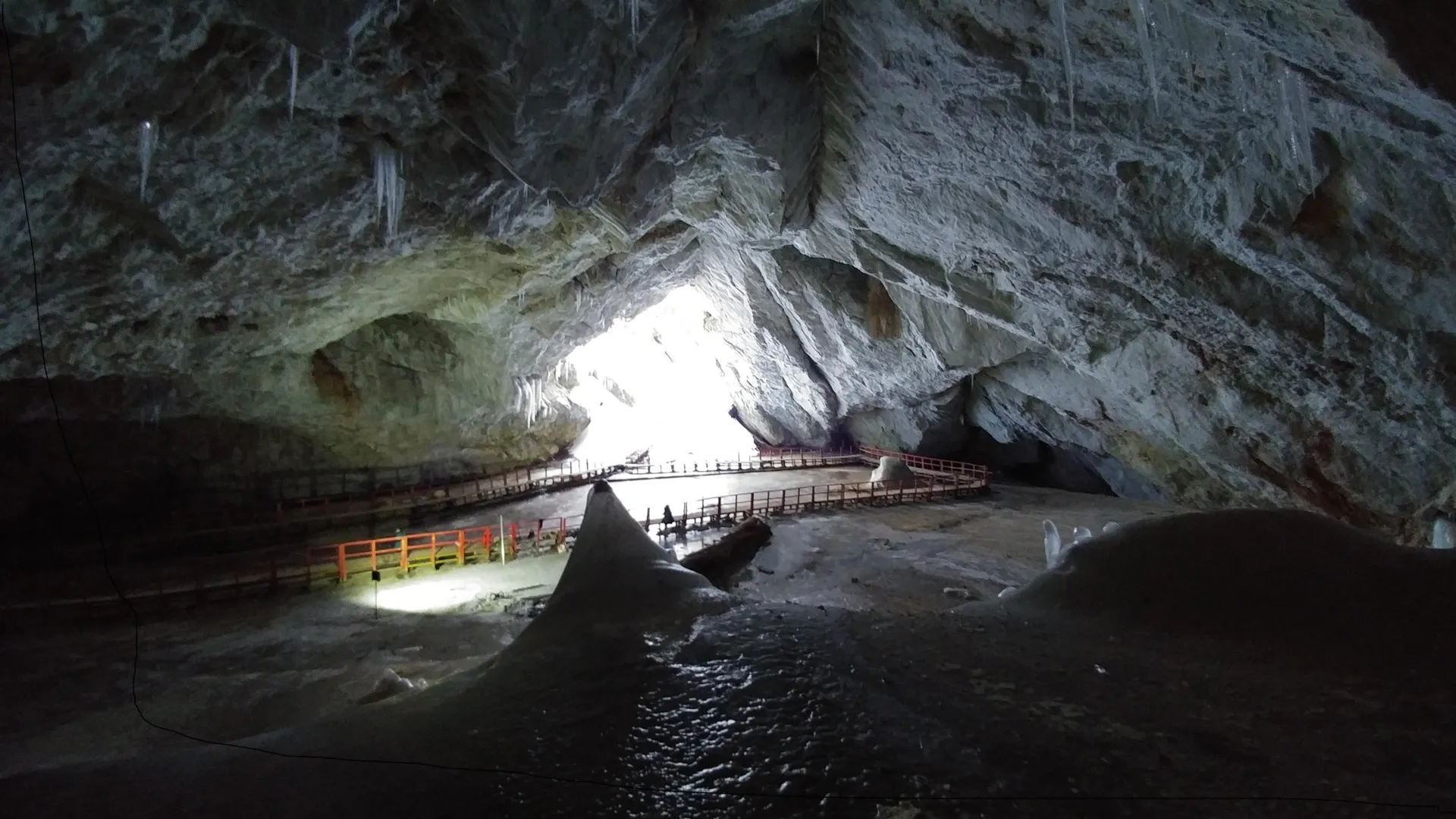
At the center of this significant research is the Scarisoara Ice Cave, nestled within the Apuseni Mountains of Transylvania. This geological marvel is not merely a tourist attraction; it is one of the largest underground glaciers in the world, maintaining a stable temperature below freezing for tens of thousands of years. Such conditions create an unparalleled environment for the preservation of ancient life forms, shielding them from the rapid evolutionary pressures and anthropogenic influences of the surface world. It was within a 5,000-year-old stratum of ice in this remarkable cave that researchers from the Institute of Biology Bucharest of the Romanian Academy made their pivotal find: a bacterial strain, Psychrobacter SC65A.3, exhibiting an astonishing resistance profile against a broad spectrum of modern antibiotics.
The meticulous process of retrieving this ancient organism underscored the scientific rigor required for such an endeavor. A specialized team carefully drilled a 25-meter ice core from the cave’s "Great Hall" section, a column of ice that scientifically represents a continuous environmental record stretching back an impressive 13,000 years. To safeguard against any contemporary contamination, which could irrevocably compromise the integrity of the samples, stringent sterile protocols were observed throughout the extraction. The ice samples were immediately sealed in sterile containers and maintained under frozen conditions during their delicate transport to the laboratory. Once safely in the research facility, the arduous work of isolating individual bacterial strains began. Through advanced genomic sequencing techniques, scientists meticulously deciphered the genetic blueprint of Psychrobacter SC65A.3, identifying not only the genes responsible for its remarkable ability to thrive in sub-zero temperatures—a characteristic known as psychrophily—but also those linked to antimicrobial resistance and potential antimicrobial activity.
Psychrobacter SC65A.3 belongs to the Psychrobacter genus, a group of bacteria well-known for their adaptation to cold environments. While many psychrophiles are harmless and play vital roles in cold ecosystems, certain Psychrobacter species have been identified as opportunistic pathogens, capable of causing infections in humans and animals, particularly in clinical settings. This duality makes the genus particularly intriguing for scientific investigation. Prior to this study, however, the specific mechanisms by which these cold-adapted bacteria interact with and respond to antibiotics remained largely unexplored. Dr. Cristina Purcarea, a senior scientist and lead author from the Institute of Biology Bucharest, emphasized the profound significance of this discovery: "Studying microbes such as Psychrobacter SC65A.3 retrieved from millennia-old cave ice deposits reveals how antibiotic resistance evolved naturally in the environment, long before modern antibiotics were ever used." This insight fundamentally challenges the often-held perception that antibiotic resistance is solely a recent phenomenon driven by the overuse and misuse of contemporary medications.
To thoroughly assess the resistance capabilities of Psychrobacter SC65A.3, the research team conducted comprehensive laboratory tests. They exposed the ancient strain to a panel of 28 distinct antibiotics, representing 10 different pharmacological classes. These drugs were not randomly chosen; they encompass a range of commonly prescribed medications as well as those reserved for treating severe, life-threatening bacterial infections in contemporary medical practice. The findings were startling: Psychrobacter SC65A.3 demonstrated resistance to 10 of these widely utilized oral and injectable therapeutic agents. Among the resistant drugs were critical antibiotics such as rifampicin, a cornerstone in the treatment of tuberculosis; vancomycin, often deployed against serious Gram-positive bacterial infections like MRSA; and ciprofloxacin, a broad-spectrum antibiotic used for conditions including urinary tract infections (UTIs) and various systemic infections.
Even more remarkably, Psychrobacter SC65A.3 emerged as the first known strain within its genus to exhibit resistance to several specific antibiotics, including trimethoprim, clindamycin, and metronidazole. These particular agents are crucial in combating a diverse array of bacterial infections affecting the lungs, skin, bloodstream, reproductive system, and urinary tract. The presence of such a broad and novel resistance profile in a bacterium isolated from an environment untouched by modern pharmaceutical pressures strongly suggests that cold-adapted ecosystems, like the Scarisoara Ice Cave, may serve as vast, unexplored reservoirs of ancient resistance genes. These genes, segments of DNA that confer survival advantages to bacteria when confronted with antimicrobial compounds, have likely been evolving naturally for geological timescales, long preceding humanity’s discovery and deployment of antibiotics. The sheer volume of resistance-related genes identified in Psychrobacter SC65A.3—over 100—further underscores the deep evolutionary history of these defense mechanisms.
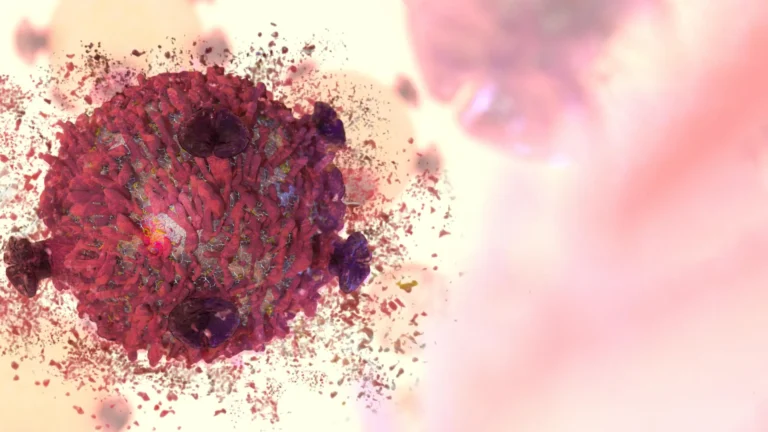
The ramifications of this discovery are twofold, presenting both significant potential risks and compelling opportunities for scientific advancement. The risks are inextricably linked to the accelerating pace of global climate change. As the planet warms, glaciers and ice sheets, including ancient ice caves, are melting at an unprecedented rate. If these melting events release millennia-old microbes, carrying their potent, naturally evolved resistance genes, into modern ecosystems, there is a tangible danger. These ancient genes could potentially transfer to contemporary pathogenic bacteria through processes like horizontal gene transfer, where genetic material is exchanged between organisms, even across species boundaries. Such an influx could exacerbate the already critical global challenge of antibiotic resistance, potentially rendering current treatments ineffective against newly empowered "superbugs." The careful handling and strict safety measures employed in the laboratory are therefore paramount to mitigate any risk of uncontrolled dissemination of these ancient strains.
Conversely, the same ancient bacterium that carries a warning also harbors immense biotechnological promise. The research revealed that Psychrobacter SC65A.3 possesses the remarkable ability to inhibit the growth of several major antibiotic-resistant "superbugs." This intrinsic antimicrobial activity points towards the existence of novel compounds or mechanisms that could inspire the development of entirely new classes of antibiotics, desperately needed in the fight against resistant pathogens. Furthermore, the strain exhibited significant enzymatic activities with considerable biotechnological potential. Cold-active enzymes, for instance, are highly sought after in various industrial applications, including detergents, bioremediation processes in cold environments, and pharmaceutical manufacturing, as they function efficiently at low temperatures, reducing energy consumption.
The genetic analysis of Psychrobacter SC65A.3 deepened this potential, revealing nearly 600 genes with functions currently unknown to science. This vast genetic repository represents a largely untapped resource for uncovering novel biological processes, metabolic pathways, and potentially unique biomolecules. Even more tantalizing was the identification of 11 specific genes that appear to possess the ability to kill or inhibit not only other bacteria but also fungi and even viruses. This broad-spectrum antimicrobial potential, if harnessed, could revolutionize not just antibacterial therapies but also antifungal and antiviral treatments, addressing a wider array of infectious diseases.
In an era where the effectiveness of existing antibiotics is rapidly diminishing, insights gleaned from ancient microbial life become increasingly invaluable. Studying genomes preserved within environments like glacial ice allows scientists to trace the evolutionary trajectory of resistance mechanisms, understanding how they emerged and proliferated long before the advent of modern medicine. This historical perspective is crucial for developing future strategies to combat AMR, providing a deeper understanding of the natural selective pressures that drive resistance evolution. The Scarisoara Ice Cave discovery serves as a powerful reminder that while humanity faces immense challenges from evolving pathogens, the natural world also holds the keys to innovative solutions, waiting to be carefully and responsibly unlocked. The imperative for continued exploration of extreme environments, coupled with rigorous scientific inquiry and robust safety protocols, has never been clearer.
About the Author