A pioneering international scientific collaboration, spearheaded by researchers from the University of Vienna and Liège University Hospital Centre, has achieved a remarkable breakthrough, identifying the genetic markers of a rare inherited growth disorder in two individuals who lived over 12,000 years ago. This groundbreaking investigation, which melds the cutting-edge capabilities of ancient DNA analysis with contemporary clinical genetic methodologies, has definitively diagnosed a specific condition within two prehistoric individuals interred together in southern Italy. Published in the esteemed New England Journal of Medicine, these findings not only expand our comprehension of ancient human population dynamics but also demonstrate the unprecedented capacity of paleogenomics to pinpoint rare genetic ailments in our distant ancestors.
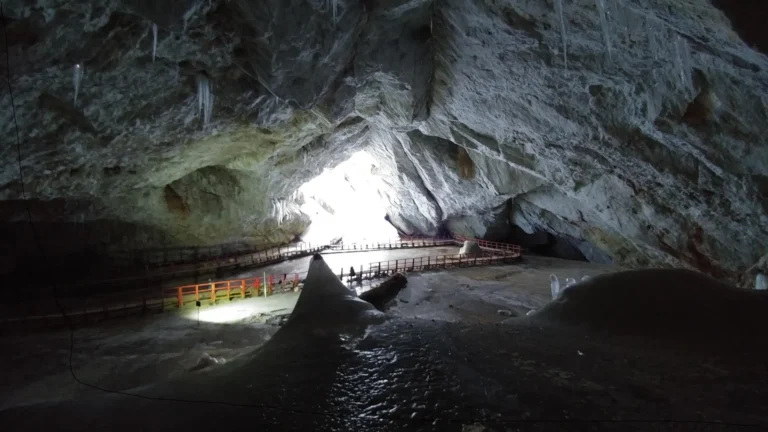
For decades, the Upper Paleolithic burial site at Grotta del Romito in southern Italy has captivated archaeologists and anthropologists alike. Discovered in 1963, this significant archaeological locale presented an enduring enigma: a double burial featuring individuals exhibiting unusual skeletal characteristics and a unique interment posture. The primary questions revolving around this discovery centered on the biological relationship between the two individuals and whether a shared medical condition could account for their notably diminutive stature. These persistent uncertainties have now been definitively addressed through advanced genetic analysis, transforming a long-standing archaeological puzzle into a profound insight into ancient human health and social dynamics.
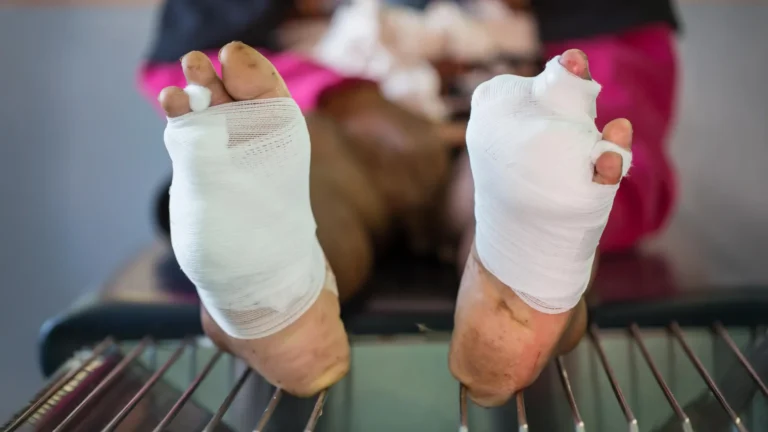
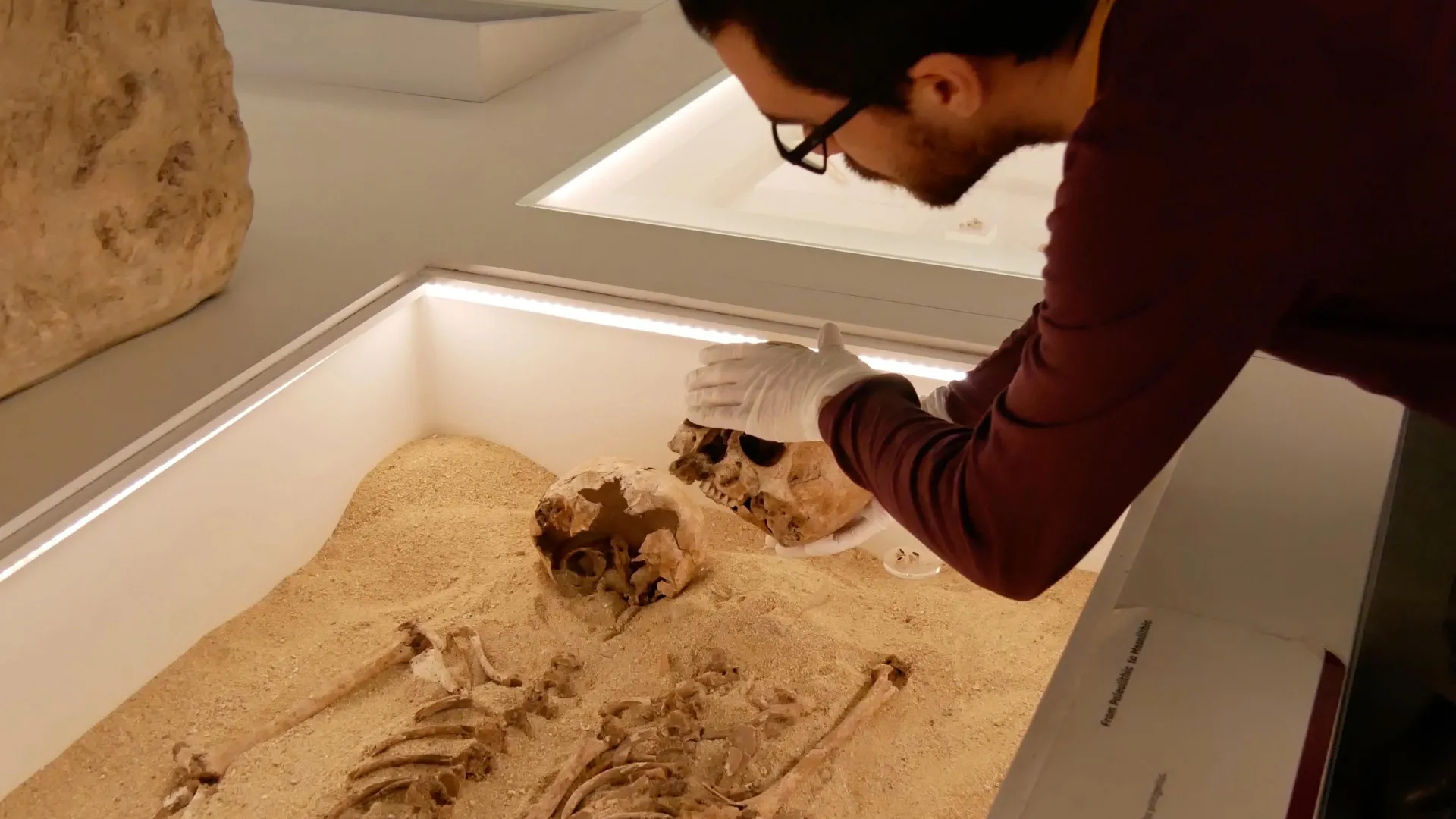
The two individuals, designated "Romito 1" and "Romito 2," were found interred in what appeared to be an embrace, a poignant arrangement that underscored the site’s mystique. Romito 2, initially surmised to be a young male, displayed significantly shortened limbs and stood approximately 110 cm (3 feet 7 inches) tall. This height was consistent with observations of a rare skeletal dysplasia, though a definitive diagnosis based solely on osteological evidence remained elusive. Romito 1, originally identified as an adult female, also presented with a stature below the average for the period, reaching about 145 cm (4 feet 9 inches). The ambiguity surrounding their biological sex, precise relationship, and the potential for a common underlying medical condition to explain their respective heights fueled extensive academic debate over many years, highlighting the limitations of traditional anthropological methods.
To unravel these complexities, scientists turned to the burgeoning field of paleogenomics. The research team meticulously extracted ancient DNA from the petrous portion of the temporal bone in both skeletons. This specific cranial bone is renowned for its exceptional ability to preserve genetic material over millennia, offering a crucial window into the past. The initial genetic sequencing results provided a fundamental piece of the puzzle: the two individuals were indeed first-degree relatives, establishing a close familial bond. Building upon this, the researchers proceeded to scrutinize genes known to be implicated in bone growth and development, comparing the identified genetic variants against a comprehensive database of modern medical genetic information. This ambitious undertaking required an unprecedented level of interdisciplinary cooperation, bringing together experts in paleogenomics, clinical genetics, and physical anthropology from diverse institutions across Europe, including the University of Vienna, alongside collaborators in Italy, Portugal, and Belgium.
The detailed genetic testing yielded several pivotal discoveries, fundamentally altering previous interpretations of the Romito burial. Contrary to earlier assumptions, both Romito 1 and Romito 2 were unequivocally identified as female. Furthermore, their genetic profiles confirmed their close familial relationship, establishing them most probably as a mother and daughter. For Romito 2, the younger individual, the analysis revealed a homozygous mutation within the NPR2 gene. The NPR2 gene plays a critical and well-understood role in chondrogenesis and osteogenesis, processes vital for proper bone formation and skeletal development. The presence of two identical altered copies of this gene provided clear, unambiguous evidence for a diagnosis of acromesomelic dysplasia, Maroteaux type. This is an exceedingly rare inherited disorder characterized by severe short stature, disproportionate shortening of the limbs, and distinctive skeletal abnormalities. The clarity of this ancient genetic diagnosis marks a profound milestone, representing the earliest known confirmed genetic diagnosis in human history.
In the case of Romito 1, the older female, genetic analysis showed she carried a single altered copy of the identical NPR2 gene mutation. This heterozygous genetic pattern is associated with a much milder expression of short stature, aligning perfectly with her moderately reduced height compared to the average for her era. This critical distinction in genetic presentation between the mother and daughter elegantly explains the observed differences in their respective statures, demonstrating how the same genetic anomaly can manifest with varying degrees of severity within a single prehistoric family. As Ron Pinhasi of the University of Vienna, a co-leader of the study, highlighted, the application of ancient DNA analysis now allows for the identification of specific mutations in prehistoric individuals, thereby establishing the deep temporal roots of rare genetic conditions and potentially uncovering previously unknown genetic variants. Daniel Fernandes of the University of Coimbra, the study’s first author, emphasized that identifying both individuals as female and closely related transforms this archaeological discovery into a poignant familial genetic case study, showcasing the differential impact of a single gene within a prehistoric lineage.
These groundbreaking findings carry significant implications for our understanding of human health throughout history. They unequivocally demonstrate that rare genetic diseases are not a modern phenomenon confined to contemporary populations but have been an integral part of the human experience for tens of thousands of years. The presence of such a distinct genetic condition in the Upper Paleolithic underscores the inherent genetic diversity that has always characterized human populations. Adrian Daly of Liège University Hospital Centre, another co-leader of the research, pointed out that recognizing the historical prevalence of these conditions can offer valuable insights for diagnosing and understanding similar disorders in clinical practice today. Furthermore, tracing the antiquity of specific genetic variants enriches our knowledge of human evolutionary health, shedding light on the genetic landscape of early human groups and how certain traits or vulnerabilities persisted across generations.
Beyond the purely genetic and medical implications, the Romito burial offers a compelling glimpse into the social fabric of Ice Age communities. Despite the severe physical challenges posed by acromesomelic dysplasia, Romito 2 survived into adolescence or even early adulthood. Her extended survival, particularly in the demanding environment of the Upper Paleolithic, strongly suggests that she received consistent and dedicated support from her community or family group. In a period when survival was often precarious and dependent on physical prowess for hunting, gathering, and mobility, accommodating an individual with significant physical disabilities would have necessitated considerable effort and resources. Alfredo Coppa of Sapienza University of Rome, who also co-led the study, posited that her survival would have required sustained assistance with fundamental needs such as food acquisition and movement across challenging terrains. This evidence of long-term care for a disabled individual stands as a powerful testament to the complex social structures, deep familial bonds, and compassionate behavior present in Upper Paleolithic societies, challenging simplistic notions of prehistoric life as solely harsh and self-serving. The very manner of their burial, in an embrace, could itself be a symbolic representation of this enduring care and affection.
In conclusion, the interdisciplinary investigation of the Grotta del Romito burial represents a monumental achievement in paleogenomics and physical anthropology. By definitively diagnosing a rare genetic growth disorder in a mother and daughter from the Upper Paleolithic, this study not only solves a 12,000-year-old archaeological mystery but also fundamentally reshapes our understanding of ancient human health, disease, and social dynamics. The ability to peer so deeply into the genetic past offers unprecedented opportunities to reconstruct the health landscapes of our ancestors, providing invaluable context for both evolutionary biology and modern medicine. This groundbreaking research underscores the transformative power of combining ancient DNA analysis with contemporary scientific methodologies, opening new avenues for exploring the rich and complex tapestry of human history and our shared genetic heritage.
About the Author