In an era characterized by persistent inflationary pressures and a general tightening of household budgets, the grocery sector remains a critical battleground for consumer spending. Major retailers are constantly seeking innovative strategies to attract and retain customers, often by balancing affordability with quality. Among these, Aldi, the German-based discount supermarket chain, has distinguished itself through a business model inherently focused on cost-efficiency and value. The company has recently intensified its commitment to affordability by introducing a fresh wave of price reductions on a selection of popular grocery items, an initiative strategically timed to provide substantial savings as the year draws to a close. This move is not merely a promotional tactic but a reinforcement of Aldi’s core philosophy, positioning the retailer as a vital resource for budget-conscious shoppers navigating a challenging economic landscape.
Aldi’s operational blueprint is a masterclass in streamlined retail. Unlike conventional supermarkets that stock tens of thousands of products, Aldi typically offers a curated selection of approximately 1,400 items, with a significant majority being private-label brands. This approach minimizes complexity in inventory management, reduces marketing costs, and enables the company to negotiate more favorable terms with suppliers due to large volume orders. Furthermore, their no-frills store design, smaller footprint, and policies like requiring customers to bag their own groceries and rent shopping carts all contribute to a leaner operating expense structure. These efficiencies are then passed directly to the consumer in the form of consistently lower prices, a foundational promise that has cultivated a fiercely loyal customer base across its extensive network of stores in the United States and globally.
The newly announced "ALDI Price Drops" program represents an evolution of this value proposition. While Aldi maintains competitive pricing year-round, these specific reductions signal a targeted effort to make essential and high-demand products even more accessible. The company explicitly states that these "extra low prices" underscore its dedication to delivering exceptional value, particularly pertinent when many competitors are forced to escalate their own pricing due to external economic factors such as increased supply chain costs, labor expenses, and tariffs. This counter-cyclical pricing strategy not only offers immediate financial relief to consumers but also enhances Aldi’s reputation as a reliable haven for affordability.
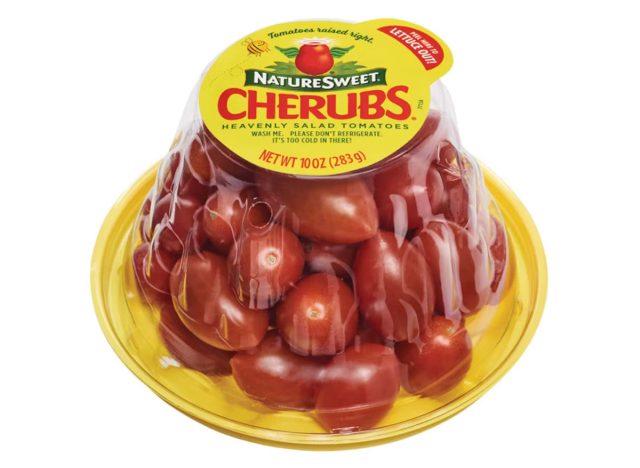
Among the fresh produce category, a notable inclusion in the recent price adjustments is the 10-ounce package of Cherub Grape Tomatoes, now available for $2.45. These diminutive, vibrant tomatoes are a versatile kitchen staple, ideal for adding a burst of flavor and color to salads, acting as a healthy snack, or enriching various culinary preparations. While other retail outlets often list comparable products in the range of $2.50 to $3.00, Aldi’s new price point offers a tangible saving on a frequently purchased item. The consistent quality, often described as perfectly ripe and sweet, combined with convenient packaging, makes this a compelling offer for consumers prioritizing fresh ingredients without overspending. Such reductions in fresh produce are particularly impactful as they encourage healthier eating habits by making nutritious options more affordable.
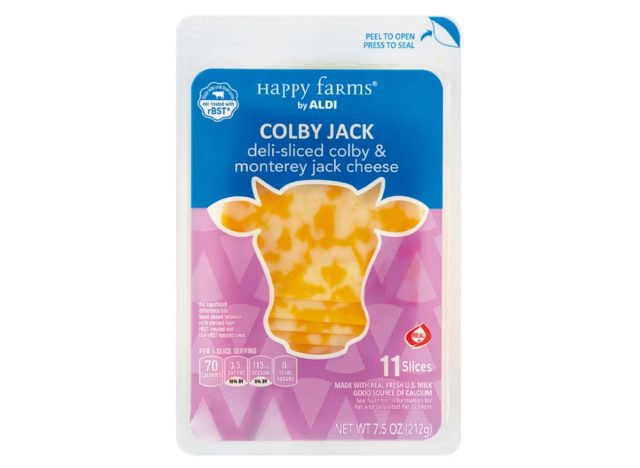
In the dairy aisle, the Happy Farms Deli Sliced Colby Jack Cheese, presented in a 7.5-ounce package, has seen its price reduced to $1.65. This blended cheese, celebrated for its harmonious combination of Colby’s mild sweetness and Monterey Jack’s creamy texture, is a go-to choice for sandwiches, burgers, or as a component of a simple cheese platter. Aldi has extended this advantageous pricing to several other Happy Farms deli-sliced cheese varieties, including Mozzarella, Muenster, Swiss, Provolone, Pepper Jack, and Medium Cheddar. This uniform pricing across a broad spectrum of popular cheese types provides consumers with flexibility and choice while adhering to a consistent budget. Private-label dairy products like these are a cornerstone of Aldi’s cost-saving model, often delivering quality comparable to national brands at a fraction of the cost, making them essential for families seeking to economize on everyday essentials.
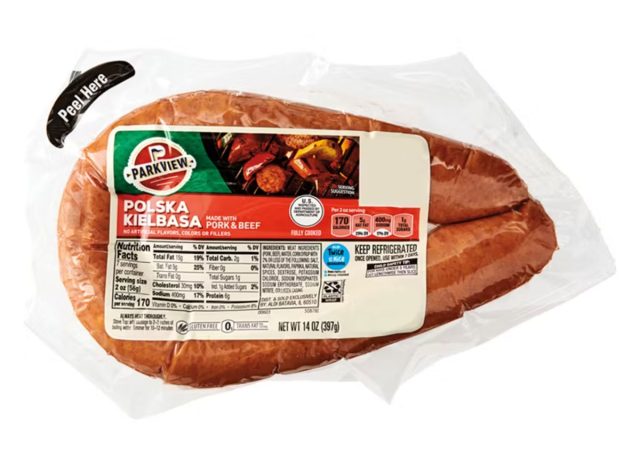
The meat department also features prominently in these price reductions, offering value on protein sources. The 14-ounce package of Parkview Polska Kielbasa is now priced at an attractive $2.99. This traditional Polish sausage, crafted from a blend of high-quality beef and pork, arrives fully cooked, ensuring rapid meal preparation. Its robust flavor profile makes it suitable for a diverse range of dishes, from hearty stews and skillet meals with potatoes and vegetables to simply enjoying it on its own. The absence of artificial flavors, colors, or fillers in its composition further enhances its appeal to health-conscious consumers. Concurrently, the Parkview Beef Smoked Sausage has also been adjusted to the same competitive price, expanding options for those seeking quick, flavorful, and budget-friendly protein. The ability to offer such competitive pricing on meat products, often a significant portion of a household’s grocery bill, underscores Aldi’s efficiency in its supply chain and inventory management.
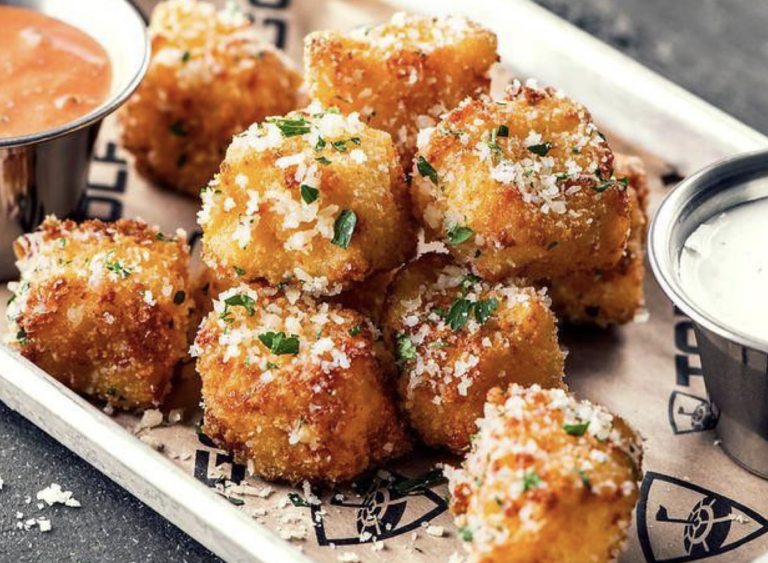
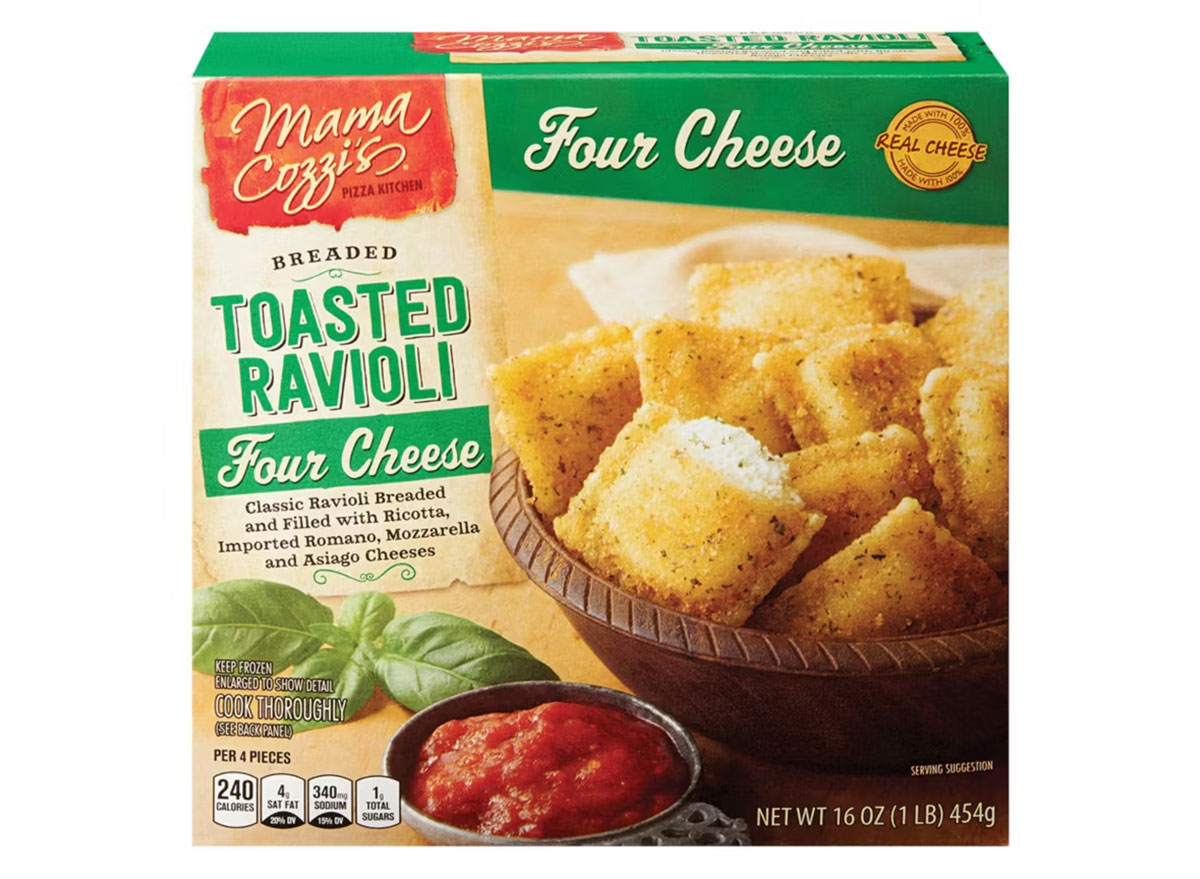
For those in search of convenient, ready-to-prepare meal solutions, Mama Cozzi’s Pizza Kitchen Toasted Cheese Ravioli, a 1-pound frozen offering, is now available for $4.75. Mama Cozzi’s is a well-regarded private label within Aldi’s freezer section, known for providing comforting and satisfying options. These toasted ravioli are generously filled with a creamy blend of ricotta, mozzarella, and asiago cheeses, then perfectly breaded for a crispy exterior upon preparation. The Mama Cozzi’s Toasted Beef Ravioli also shares this new, lower price point, offering an alternative for different taste preferences. Such frozen items are invaluable for busy individuals and families, providing a quick and delicious meal option that aligns with budgetary constraints. The demand for convenient, high-quality frozen foods has surged, and Aldi’s strategic pricing in this category responds directly to this consumer trend.
A significant highlight among the current price drops is the Black Angus Beef Choice Boneless Top Round Steak, now reduced to $7.69. Sourced from USDA Choice Black Angus beef, this cut is noted for its lean profile, promising a tender and juicy result when cooked. Aldi emphasizes that this beef is always fresh, never frozen, ensuring optimal quality and flavor. It is presented as an excellent choice for various cooking methods, including grilling with a bold spice rub or pan-searing on the stovetop. The recommendation to allow the steak to rest post-cooking to enhance its flavor speaks to the quality and culinary potential of the product. Making premium cuts of beef more affordable is a powerful incentive for shoppers, as meat costs often represent a substantial expenditure in grocery budgets. This move demonstrates Aldi’s capacity to offer both value and quality even in higher-priced categories.
Rounding out the selection of discounted items is the Happy Farms Whipped Cream Cheese Spread, an 8-ounce container now priced at $1.99. This gluten-free spread offers the classic tang of cream cheese but with a light and airy texture, making it an ideal accompaniment for bagels, toast, or as an ingredient in various recipes. Its versatility extends to both savory and sweet applications, from enhancing a breakfast sandwich to serving as a base for a homemade frosting for cakes. Aldi has also extended this reduced pricing to other popular varieties of the whipped cream cheese spread, including Garden Vegetable, Mixed Berry, and Jalapeno, catering to a broader range of palates. The accessibility of such a foundational pantry item, along with its flavored counterparts, at a reduced price, supports diverse culinary uses and contributes to overall household savings.

In conclusion, Aldi’s introduction of these specific "ALDI Price Drops" towards the end of the year is more than just a momentary sales event; it is a strategic maneuver that reinforces the company’s foundational promise of delivering unparalleled value. By targeting a diverse array of essential groceries—from fresh produce and dairy to meats and convenience meals—Aldi is directly addressing the contemporary consumer’s need for affordability without compromising on quality. This proactive approach in a competitive and inflationary market solidifies Aldi’s position as a preferred grocery destination, demonstrating a deep understanding of its customers’ financial realities and a steadfast commitment to helping them stretch their budgets further. As consumers increasingly prioritize prudent spending, Aldi’s ongoing dedication to value pricing is likely to continue driving its growth and influence within the retail food sector.
About the Author