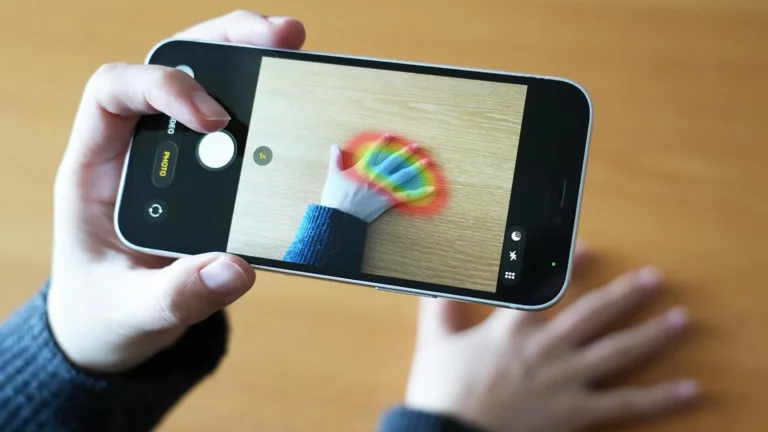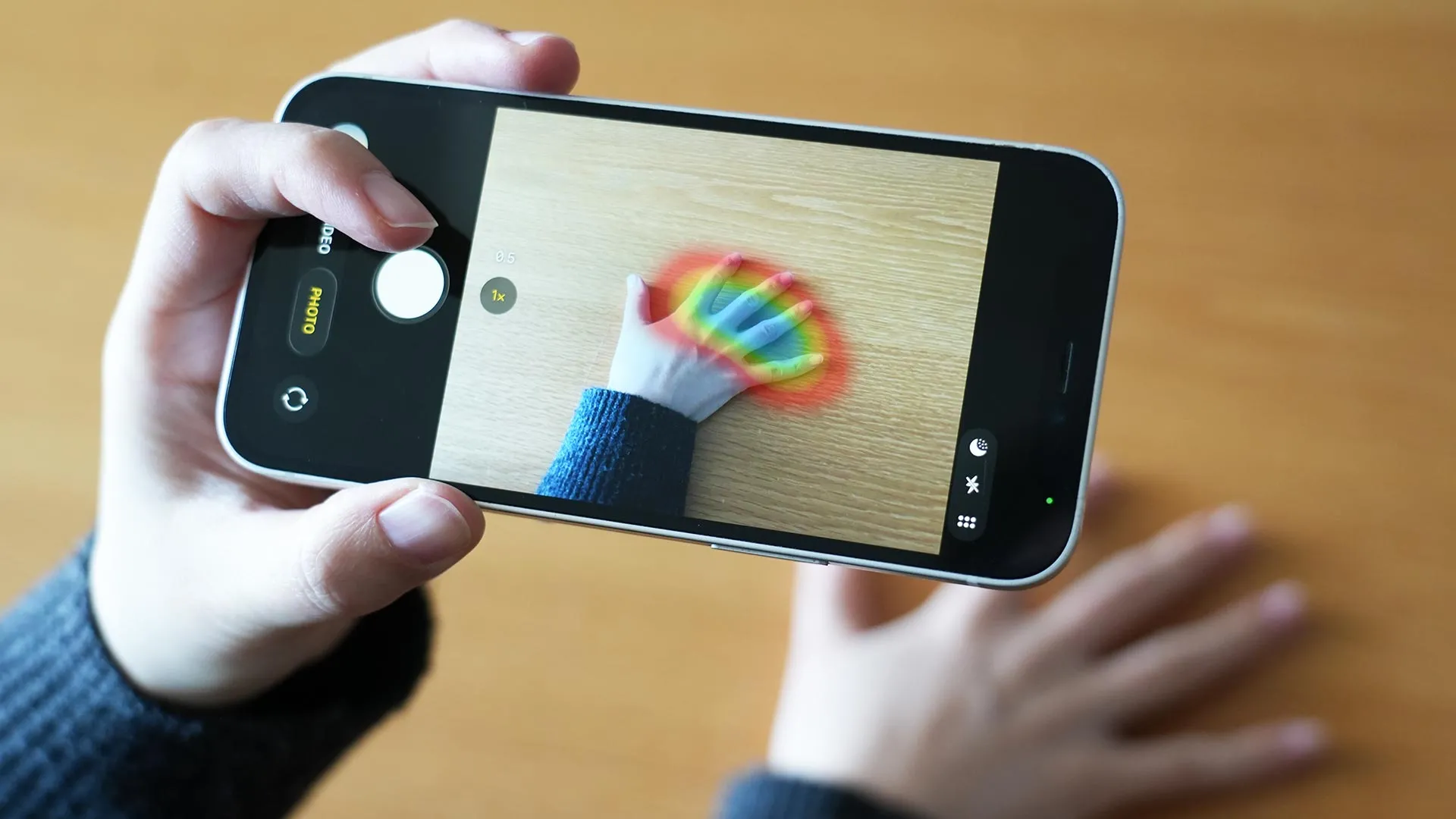
A groundbreaking artificial intelligence system, developed by researchers at Kobe University, promises to revolutionize the early identification of acromegaly, a rare endocrine disorder, by analyzing simple photographic images of a patient’s hand and clenched fist. This innovative approach sidesteps the need for facial imagery, thereby enhancing patient privacy while maintaining a remarkable degree of diagnostic precision. Experts suggest this technology holds the potential to expedite referrals to specialized medical professionals and broaden access to healthcare, particularly in regions with limited medical resources.
Acromegaly, the condition targeted by this advanced AI, typically emerges in middle age and is characterized by the overproduction of growth hormone. This hormonal imbalance triggers a cascade of physical changes, including the enlargement of extremities like hands and feet, alterations in facial structure, and abnormal bone and internal organ growth. The insidious nature of this disease, often developing imperceptibly over many years, frequently delays its diagnosis, allowing it to progress unchecked.
When left untreated, acromegaly carries significant health risks, including a potential reduction in life expectancy by approximately a decade. Hidenori Fukuoka, an endocrinologist at Kobe University and a lead researcher on the project, highlighted the diagnostic challenges, noting, "Because the condition progresses so slowly, and because it is a rare disease, it is not uncommon to take up to a decade for it to be diagnosed." He further elaborated on the limitations of previous AI endeavors, stating, "With the progress of AI tools, there have been attempts to use photographs for early detection, but they have not been adopted in clinical practice."
The research team’s thorough review of existing AI diagnostic studies revealed a prevalent reliance on facial photographs. However, the inherent privacy concerns associated with facial recognition technologies presented a significant hurdle for widespread clinical adoption. To circumvent these privacy issues, the scientists deliberately pivoted their strategy, opting for an alternative data source.
Yuka Ohmachi, a graduate student at Kobe University and a key contributor to the study, explained the rationale behind this strategic shift: "Trying to address this concern, we decided to focus on the hands, a body part we routinely examine alongside the face in clinical practice for diagnostic purposes, particularly because acromegaly often manifests changes in the hands." This decision was rooted in the observable physical manifestations of acromegaly that commonly affect the hands.
To further bolster privacy safeguards, the researchers meticulously limited the photographic scope to the dorsal (back) aspect of the hand and a clenched fist. Palm images were intentionally excluded due to the highly individualized nature of palm lines, which could potentially compromise anonymity. This thoughtful design facilitated the recruitment of a substantial participant cohort. Ultimately, over 11,000 images were contributed by 725 patients from 15 distinct medical institutions across Japan, forming the comprehensive dataset used for training and validating the AI model.
The findings, meticulously detailed in the esteemed Journal of Clinical Endocrinology & Metabolism, underscore the remarkable efficacy of the AI model. It demonstrated exceptionally high levels of sensitivity and specificity in identifying acromegaly from the captured hand imagery. In a direct comparative analysis, the AI system even surpassed the diagnostic acumen of seasoned endocrinologists who were presented with the identical set of photographs.
Ohmachi expressed her surprise at the system’s performance, remarking, "Frankly, I was surprised that the diagnostic accuracy reached such a high level using only photographs of the back of the hand and the clenched fist. What struck me as particularly significant was achieving this level of performance without facial features, which makes this approach a great deal more practical for disease screening." This sentiment highlights the transformative potential of a non-invasive, privacy-preserving diagnostic tool.
The researchers harbor aspirations to extend the application of this AI system to the detection of a broader spectrum of medical conditions that exhibit discernible changes in the hands. Potential future targets for this technology include debilitating conditions such as rheumatoid arthritis, anemia, and finger clubbing, a deformity of the fingers and toes. Ohmachi optimistically stated, "This result could be the entry point for expanding the potential of medical AI."
In practical clinical scenarios, the diagnostic process for acromegaly involves a multifaceted approach, encompassing patient history, laboratory investigations, and comprehensive physical examinations, extending far beyond visual assessment of the hands. The Kobe University researchers envision their AI tool as a supportive adjunct to physicians, rather than a replacement for their expertise. Their study articulates the technology’s role in "complementing clinical expertise, reducing diagnostic oversight, and enabling earlier intervention."
Lead investigator Fukuoka articulated a vision for the technology’s integration into healthcare infrastructure: "We believe that, by further developing this technology, it could lead to creating a medical infrastructure during comprehensive health check-ups to connect suspected cases of hand-related disorders to specialists. Furthermore, it could support non-specialist physicians in regional healthcare settings, thus contributing to a reduction of healthcare disparities there." This underscores the system’s potential to democratize access to specialized medical knowledge and care.
The research initiative was generously supported by funding from the Hyogo Foundation for Science Technology. The collaborative effort involved a distinguished group of institutions, including Fukuoka University, Hyogo Medical University, Nagoya University, Hiroshima University, Toranomon Hospital, Nippon Medical School, Kagoshima University, Tottori University, Yamagata University, Okayama University, Hyogo Prefectural Kakogawa Medical Center, Hokkaido University, International University of Health and Welfare, Moriyama Memorial Hospital, and Konan Women’s University, illustrating a broad commitment to advancing medical diagnostics.
About the Author