
As individuals navigate the physiological shifts that accompany aging, particularly after the age of 50, changes in body composition frequently become a prominent concern. A common observation is the redistribution of adipose tissue, often leading to increased fat accumulation around the hips and lower abdomen, a phenomenon colloquially referred to as "hip overhang." While the desire to target fat reduction in specific areas is widespread, scientific consensus confirms that "spot reduction" — the notion that exercising a particular body part will directly burn fat from that area — is a myth. However, strategic exercise can significantly enhance muscle tone, improve body shape, and contribute to overall fat loss when integrated with a balanced diet and healthy lifestyle. For many adults over 50, conventional floor exercises or high-impact routines can be challenging due to joint pain, reduced mobility, or discomfort, making accessible, low-impact alternatives particularly valuable.
The journey through the fifth decade and beyond often brings with it metabolic deceleration, hormonal fluctuations—such as the decline in estrogen for women—and a natural tendency towards sarcopenia, the age-related loss of muscle mass. These factors collectively influence where the body stores fat, often favoring the midsection and hips. Consequently, merely performing abdominal crunches may not be the most efficient strategy for individuals seeking to refine their hip contours. Instead, a focus on strengthening and toning the muscles surrounding the hips and glutes can yield more noticeable and functionally beneficial results.
One highly effective, yet often overlooked, category of exercise for this demographic is bed-based movements. These routines offer a unique blend of convenience, support, and targeted muscle activation, making them ideal for beginners, those with joint sensitivities, or anyone seeking to incorporate gentle yet potent fitness into their daily regimen. Karen Ann Canham, CEO and founder of Karen Ann Wellness, emphasizes the inherent advantages: "Bed-based exercises can be profoundly effective because they mitigate joint stress while simultaneously enabling consistent engagement of the hips and core musculature. For many individuals past 50, discomfort associated with traditional floor workouts often leads to inconsistency. The inherent support provided by a mattress allows for effective muscle recruitment without imposing undue strain on the neck or lower back. These movements strategically target stabilizing muscles rather than relying on aggressive flexion. The combination of gentle resistance and focused repetition progressively enhances muscle tone over time. Ultimately, consistency is a more powerful driver of body recomposition than sheer intensity, and the comfort offered by bed exercises significantly boosts adherence, which directly translates to tangible outcomes."
The efficacy of bed exercises stems from their ability to isolate and strengthen key muscle groups that contribute to hip definition and overall lower body stability. Unlike general abdominal workouts that primarily engage the rectus abdominis and obliques, a well-designed bed routine can specifically activate the gluteus medius, gluteus minimus, and hip abductors—muscles crucial for sculpting the outer thighs and lifting the glutes. When these muscles are toned, they create a firmer, more defined silhouette around the hip area.
Beyond aesthetic improvements, strengthening these muscles offers substantial functional benefits. Robust glutes and stable hips are fundamental for maintaining balance, improving posture, and facilitating everyday movements such as walking, climbing stairs, and standing up from a seated position. This enhanced functional strength is vital for maintaining independence and quality of life as one ages, significantly reducing the risk of falls and related injuries.
Integrating these low-impact movements into a daily routine is straightforward. While a softer surface like a mattress offers cushioning, ensuring it provides adequate support is important to prevent excessive sinking, which could compromise form. For optimal results, these exercises should be performed with control and mindfulness, focusing on the muscle contraction rather than relying on momentum.
Here are four expert-recommended bed exercises that prioritize hip and glute activation:
1. Side-Lying Leg Lifts
This exercise primarily targets the gluteus medius and gluteus minimus, essential muscles for hip abduction and stabilization, which contribute to a more sculpted outer thigh and lifted glute appearance.
- Starting Position: Lie on your side on the bed with your body in a straight line, supported by your forearm or by resting your head on your arm. Stack your hips and knees, keeping your legs extended. Ensure your core is gently engaged to prevent your lower back from arching.
- Execution: Slowly lift your top leg straight up towards the ceiling, maintaining a neutral spine and keeping your hips stacked. Focus on using your outer hip muscles to initiate the movement. Avoid rocking your torso or using momentum.
- Return: Gently lower your leg back to the starting position with control.
- Repetitions: Aim for 10-15 repetitions on one side before switching to the other.
- Tips for Effectiveness: Keep the movement slow and controlled. Imagine pulling your belly button towards your spine to maintain core stability. For an added challenge, hold a light ankle weight.
2. Clamshells
Clamshells are excellent for strengthening the hip abductors and external rotators, particularly the gluteus medius. This exercise not only helps in shaping the hips but also plays a crucial role in knee stability and preventing pain.
- Starting Position: Lie on your side, similar to the leg lift, but bend both knees to a 90-degree angle, keeping your feet stacked and together. Your hips should remain stacked and aligned.
- Execution: Keeping your feet together, slowly lift your top knee towards the ceiling, rotating your upper leg outwards like a clamshell opening. Ensure your hips do not roll backward; the movement should be initiated solely from the hip joint.
- Return: Gently lower your top knee back down to meet the bottom knee with control.
- Repetitions: Perform 12-18 repetitions on one side before switching.
- Tips for Effectiveness: Place a hand on your top hip to ensure it doesn’t tilt backward. For increased resistance, a resistance band can be placed around your thighs, just above the knees.
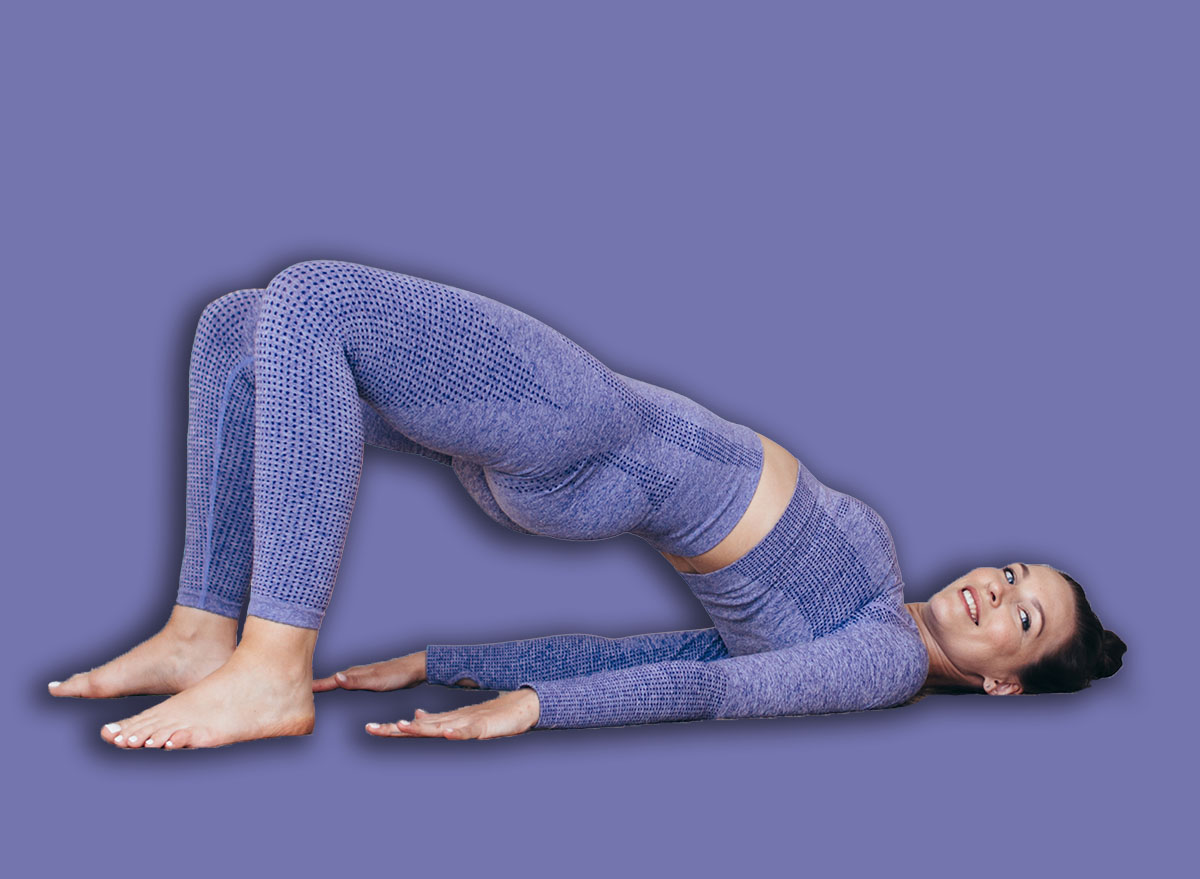
3. Glute Bridges
The glute bridge is a foundational exercise for the posterior chain, effectively engaging the gluteus maximus, hamstrings, and core. It helps lift and firm the glutes, contributing to a more defined lower body.
- Starting Position: Lie on your back on the bed with your knees bent and feet flat on the mattress, hip-width apart. Your arms can rest by your sides, palms down.
- Execution: Press through your heels and engage your glutes to lift your hips off the bed until your body forms a straight line from your shoulders to your knees. Squeeze your glutes at the top of the movement. Avoid arching your lower back excessively.
- Return: Slowly lower your hips back down to the bed, maintaining control throughout the descent.
- Repetitions: Aim for 15-20 repetitions.
- Tips for Effectiveness: Focus on initiating the movement from your glutes, not your lower back. You can gently press your lower back into the mattress before lifting to ensure core engagement. For more intensity, try single-leg glute bridges.
4. Heel Slides
Heel slides are a gentle yet effective exercise that targets the inner thigh muscles (adductors) and also challenges core control and hip flexibility. This movement promotes controlled articulation of the hip joint.
- Starting Position: Lie on your back on the bed with both legs extended straight. Your arms can rest comfortably by your sides.
- Execution: Slowly bend one knee, sliding your heel along the mattress towards your glutes. Keep your heel in contact with the bed throughout the movement, focusing on engaging your inner thigh and core muscles to guide the leg.
- Return: Gently extend your leg back to the starting position, maintaining control.
- Repetitions: Perform 10-15 repetitions on each leg.
- Tips for Effectiveness: Ensure your pelvis remains stable and doesn’t rock from side to side. Breathe deeply and focus on the smooth, controlled motion. This exercise is particularly beneficial for improving hip mobility without putting strain on the knee joint.
While these bed-based exercises are highly beneficial, their impact is significantly amplified when combined with a comprehensive approach to health and wellness. Achieving meaningful body recomposition, especially after 50, necessitates attention to nutrition. A caloric deficit, meaning consuming fewer calories than expended, is fundamental for fat loss. Prioritizing lean protein intake is also crucial for preserving and building muscle mass, which naturally declines with age. Furthermore, adequate sleep plays a critical role in hormone regulation, including those that influence appetite and fat storage. Stress management techniques are equally important, as chronic stress can elevate cortisol levels, potentially contributing to abdominal fat accumulation. Staying well-hydrated supports overall metabolic function and nutrient transport.
Before embarking on any new exercise program, particularly for individuals over 50 or those with pre-existing health conditions, consulting a healthcare provider or a certified fitness professional is strongly recommended. They can offer personalized advice, ensure the exercises are appropriate for individual capabilities, and help establish realistic goals. Consistency, patience, and a holistic approach are the cornerstones of successful and sustainable fitness journeys at any age. By strategically integrating these accessible, low-impact bed exercises, adults over 50 can effectively work towards enhancing hip definition, improving core stability, and fostering a stronger, more resilient body.
About the Author