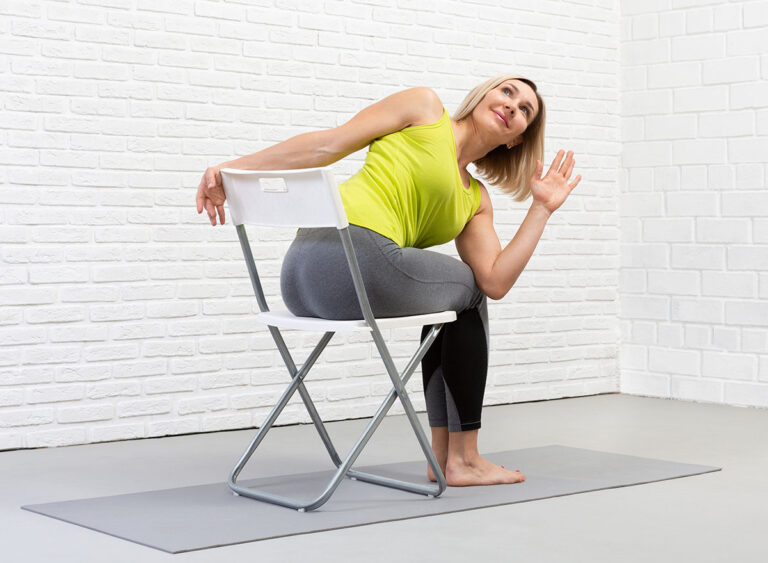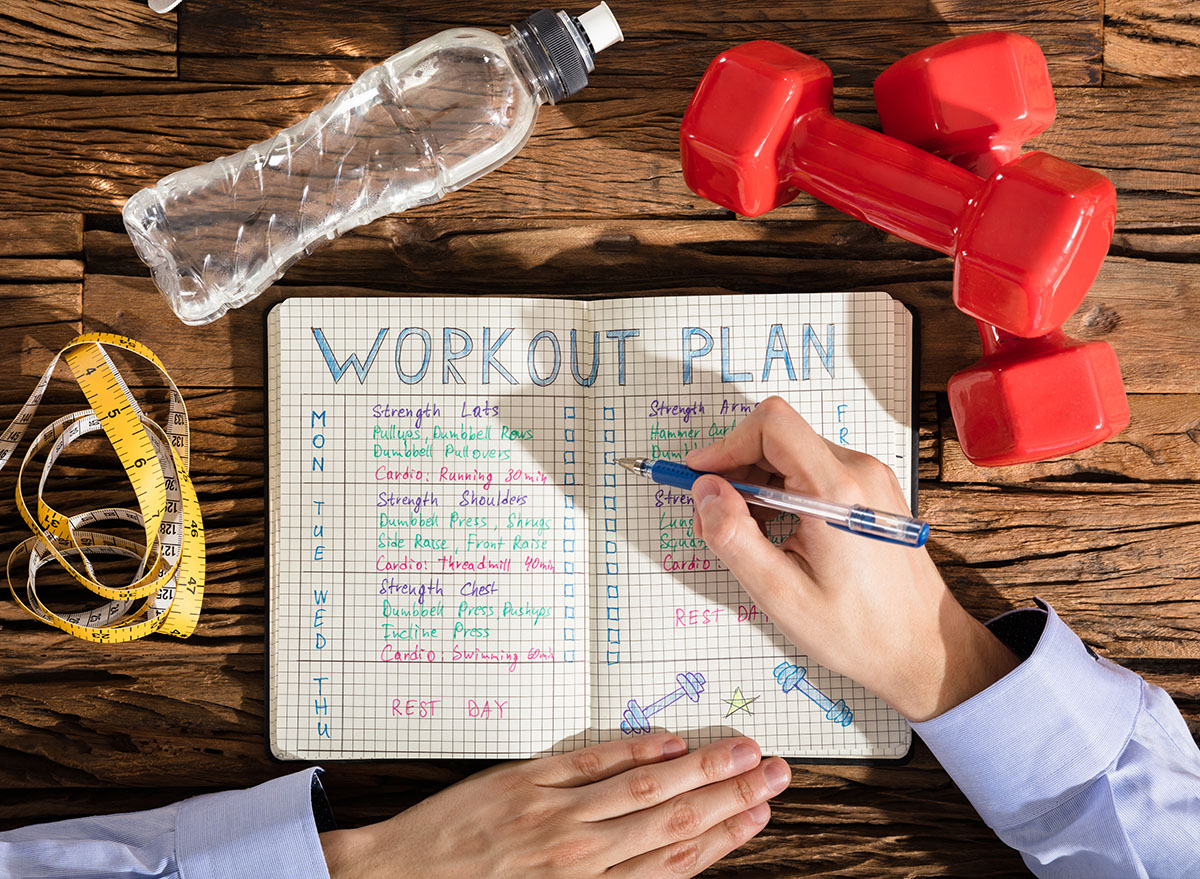
As individuals navigate the mid-life transition and beyond, many encounter a persistent challenge: the accumulation of stubborn abdominal fat, often referred to as a "belly pooch." This phenomenon is not merely an aesthetic concern but a complex physiological shift influenced by a confluence of factors, including hormonal fluctuations, a decelerating metabolism, the natural decline in muscle mass (sarcopenia), elevated stress levels, and a diminished capacity for recovery. For those over the age of fifty, the body’s physiological load, or allostatic load, often increases, making conventional high-impact exercises potentially unsuitable due to pre-existing joint discomfort, past injuries, or digestive sensitivities. Furthermore, suboptimal breathing patterns and prolonged periods of sedentary behavior can compromise the efficacy of deep core muscles, leading to a more entrenched pattern of abdominal fat retention.
However, a strategic approach focusing on low-impact, floor-based exercises offers a viable and gentle pathway to address these concerns. These movements are specifically designed to minimize stress on joints while simultaneously promoting controlled muscle engagement, optimized breathing mechanics, and the activation of the transverse abdominis. This deep-seated abdominal muscle acts as the body’s intrinsic corset, playing a pivotal role in maintaining abdominal tone, supporting posture, and enhancing metabolic efficiency. Beyond direct fat reduction, consistent practice of these floor-based abdominal pumping motions contributes significantly to overall well-being by supporting the nervous system, improving digestive function, and aiding in recovery—all increasingly critical aspects of health as one ages. The subsequent sections detail nine specialized floor exercises, each targeting specific areas of the core and digestive system, designed to foster a stronger, more toned midsection and improved holistic health for the mature adult.
Understanding Midlife Abdominal Fat Dynamics
The body undergoes significant changes after the fifth decade, profoundly impacting fat distribution, particularly around the abdomen. Hormonal shifts, notably the decline in estrogen for women during menopause and a gradual decrease in testosterone for men, tend to favor central adiposity, meaning fat is stored more readily around the waistline rather than the hips or thighs. This visceral fat, located deep within the abdominal cavity, is metabolically active and linked to various health risks. Concurrently, the metabolic rate naturally slows with age, necessitating fewer calories for energy maintenance. If dietary intake remains unchanged, the surplus calories are more likely to be stored as fat. Sarcopenia, the age-related loss of muscle mass, further exacerbates this issue, as muscle tissue is more metabolically active than fat tissue. Less muscle means a lower resting metabolic rate, making weight management more challenging. Elevated stress, leading to increased cortisol production, also encourages fat storage in the abdominal region. The combination of these factors underscores the importance of a targeted and considerate exercise regimen that accommodates the body’s evolving needs.

Focused Floor Routines for Core Revitalization
These exercises emphasize precision, breath control, and gentle yet effective muscle activation. Before beginning any new exercise program, particularly after age 50, consulting with a healthcare professional is always recommended to ensure suitability and safety.
1. Cecum Pump (GI Pump Series)
- Purpose and Benefits: This exercise specifically targets the lower right abdomen, facilitating a gentle pumping action on the cecum, the beginning of the large intestine. The synchronized breathing and rhythmic motion enhance deep abdominal muscle engagement, supporting the entire digestive process and promoting efficiency. It can alleviate discomfort related to digestion and improve lower abdominal tone.
- Execution Guide: Begin by lying on your back with knees bent and feet flat on the floor, about hip-width apart. Place your right hand gently on your lower right abdomen, just inside your hip bone. As you prepare to exhale, gently pull your lower abdominal muscles inward, pressing your hand slightly into your abdomen. Simultaneously, lift your right knee towards your chest.
- Breathing Protocol: Exhale steadily as you bring your knee towards your chest and engage your abdomen. Inhale as you return your foot to the starting position.
- Common Pitfalls: Avoid forceful pressing with your hand or straining your neck. The movement should be gentle and controlled, focusing on the internal abdominal activation rather than brute force. Do not hold your breath.
- Adaptations for Beginners: For reduced intensity, keep both feet flat on the floor and focus solely on the abdominal engagement with the hand assist. Alternatively, straighten your legs and point your feet towards the ceiling, maintaining a slight bend in the knees if needed, to reduce hip flexor involvement. Pause briefly between repetitions to reset.
- Reps: Perform 10 repetitions on each side.
2. Ascending Colon Pump
- Purpose and Benefits: This twisting compression movement effectively activates the obliques and deeper abdominal muscles, while simultaneously enhancing spinal mobility, a crucial aspect for maintaining a supple waistline. The primary benefit is the gentle stimulation and pumping action on the ascending colon, aiding in waste elimination.
- Execution Guide: Lie on your back with knees bent and feet flat. Cross your arms over your chest or place hands behind your head for support. Gently twist your torso, bringing your right elbow towards your left knee, while keeping your lower back pressed into the floor. Focus on initiating the twist from your core, not just your neck.
- Breathing Protocol: Exhale deeply as you twist and reach to the side. Inhale as you return to the center.
- Common Pitfalls: Avoid yanking your neck or lifting your lower back excessively off the floor. The rotation should originate from the abdominal muscles, maintaining control throughout the movement.
- Adaptations for Beginners: To simplify, keep your legs straightened and crossed at the ankles, focusing purely on the upper body twist and coordinated breathing. Reduce the range of motion if necessary.
- Reps: Complete 10 repetitions per side.
3. Hepatic Colon Pump
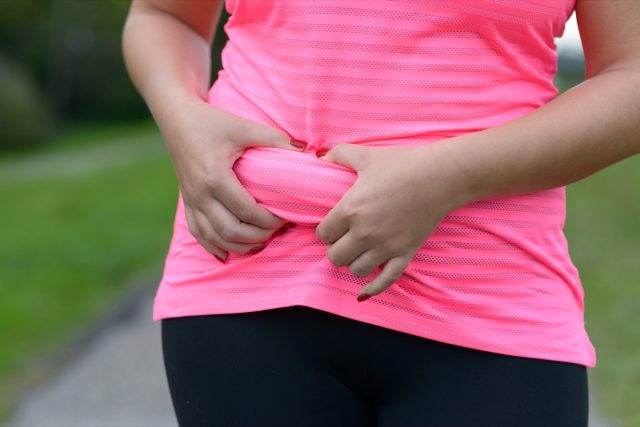
- Purpose and Benefits: This exercise specifically targets the hepatic flexure of the colon, located under the liver on the right side of the abdomen. It simultaneously strengthens the right oblique musculature, contributing to a more defined side and improved core stability.
- Execution Guide: Position yourself on your back, knees bent, feet flat. Place your right hand over your upper right abdomen, just below your rib cage. As you exhale, perform a gentle crunch, lifting your head and shoulders slightly off the floor, while simultaneously engaging your right oblique muscles and pressing your hand gently into your abdomen.
- Breathing Protocol: Exhale purposefully as you lift and engage. Inhale as you lower back down.
- Common Pitfalls: Do not strain your neck. The lift should come from the engagement of your abdominal muscles, not a pull from your head. Avoid excessive arching of the back.
- Adaptations for Beginners: Straighten your legs and cross them at the ankles to minimize hip flexor involvement. If a full crunch is too much, focus on just the abdominal contraction with the hand assist, keeping your head on the floor. Allow for brief rests between repetitions.
- Reps: Aim for 10 repetitions.
4. Right Transverse Colon Pump
- Purpose and Benefits: This movement concentrates on stimulating the right portion of the transverse colon while actively strengthening the right oblique muscles. It helps in the rhythmic movement of intestinal contents and improves lateral core strength.
- Execution Guide: Lie on your back with knees bent and feet flat. Place your right hand horizontally across your mid-right abdomen. As you exhale, gently lift your head and shoulders, engaging your right oblique and pressing your hand inward. Imagine drawing your right rib cage closer to your right hip bone.
- Breathing Protocol: Exhale as you lift and contract your side. Inhale as you release.
- Common Pitfalls: Ensure the movement is controlled and originates from the oblique muscles, not a jerking motion of the head or neck. Avoid holding your breath.
- Adaptations for Beginners: Keep legs straight and crossed at the ankles. Perform a smaller, more subtle lift, focusing on the contraction rather than the height of the lift. Take short pauses between each rep if needed.
- Reps: Perform 10 repetitions.
5. Middle Colon Pump
- Purpose and Benefits: This exercise is designed to specifically activate and stimulate the middle segment of the transverse colon. Concurrently, it works to strengthen the upper abdominal musculature, which is crucial for overall core integrity and a flattened midsection.
- Execution Guide: Lie flat on your back, with knees bent and feet on the floor. Place both hands gently over your upper abdomen, just above your navel. As you exhale, perform a controlled crunch, lifting your head and shoulders off the floor, engaging your upper abdominal muscles, and pressing your hands gently into your midsection.
- Breathing Protocol: Exhale steadily as you lift and contract your upper abs. Inhale as you return to the starting position.
- Common Pitfalls: Resist the urge to pull on your neck with your hands if they are behind your head; the movement should be driven by the core. Avoid a quick, jerky motion; maintain control throughout.
- Adaptations for Beginners: Straighten your legs and cross them at the ankles to reduce hip flexor involvement. Focus on a very small lift, or simply engage the abdominal muscles without lifting the head and shoulders, concentrating on the breath and internal contraction. Rest briefly between reps if needed.
- Reps: Complete 10 repetitions.
6. Left Transverse Colon Pump
- Purpose and Benefits: This movement targets the left segment of the transverse colon, encouraging healthy intestinal motility. Simultaneously, it effectively strengthens the left oblique musculature, promoting symmetry in core strength and a balanced abdominal appearance.
- Execution Guide: Lie on your back with knees bent and feet flat. Place your left hand horizontally across your mid-left abdomen. As you exhale, gently lift your head and shoulders, engaging your left oblique and pressing your hand inward. Focus on drawing your left rib cage towards your left hip bone.
- Breathing Protocol: Exhale deeply as you lift and engage your left side. Inhale as you release and lower.
- Common Pitfalls: As with other oblique exercises, ensure the movement originates from the core and not from straining the neck. Maintain a steady, controlled pace.
- Adaptations for Beginners: Extend your legs straight, crossing them at the ankles. Concentrate on a reduced range of motion, prioritizing the sensation of contraction in the left oblique. Allow yourself to rest briefly between each repetition if required.
- Reps: Perform 10 repetitions.
7. Splenic Colon Pump
- Purpose and Benefits: Situated beneath the spleen on the left side, the splenic flexure of the colon benefits from this specific movement, which helps facilitate the smooth passage of waste. This exercise also effectively strengthens the left oblique musculature, contributing to improved lateral core stability and definition.
- Execution Guide: Lie on your back with knees bent and feet flat. Place your left hand over your upper left abdomen, just below your rib cage. As you exhale, perform a gentle crunch, lifting your head and shoulders slightly off the floor, while simultaneously engaging your left oblique muscles and pressing your hand gently into your abdomen.
- Breathing Protocol: Exhale with intention as you lift and contract. Inhale as you return to the starting position.
- Common Pitfalls: Be mindful not to pull on your head or neck. The power for the lift should come from your abdominal muscles. Avoid rushing the movement.
- Adaptations for Beginners: Straighten your legs and cross them at the ankles. If the full crunch is challenging, focus on a smaller, controlled abdominal contraction, keeping your head grounded, and using your hand to guide the internal engagement. Incorporate short rests between reps as needed.
- Reps: Aim for 10 repetitions.
8. Descending Colon Pump
- Purpose and Benefits: This exercise specifically targets the descending colon, aiding in its function of moving waste towards the rectum. The rotational aspect of the movement also provides a robust workout for the left oblique muscles, enhancing their strength and flexibility.
- Execution Guide: Lie on your back with knees bent and feet flat. Place your hands behind your head, or cross them over your chest. As you exhale, twist your torso, bringing your left elbow towards your right knee, engaging your left oblique muscles. Keep your lower back pressed into the floor.
- Breathing Protocol: Exhale deliberately during the rotational phase of the exercise. Inhale as you return to the central position.
- Common Pitfalls: Ensure the rotation is controlled and does not involve excessive neck strain. Avoid lifting your lower back off the floor, which can reduce core engagement and potentially cause discomfort.
- Adaptations for Beginners: Straighten your legs and cross them at the ankles to reduce hip flexor involvement and focus solely on the upper body twist. Perform a smaller twist, emphasizing the sensation of oblique contraction.
- Reps: Perform 10 repetitions per side.
9. Sigmoid Colon Pump
- Purpose and Benefits: This deep lower-abdominal activation exercise is designed to stimulate the sigmoid colon, the final segment of the large intestine before the rectum. It is highly effective in strengthening the lower abdominal muscles, which are often overlooked and crucial for a strong, stable core and improved digestive function.
- Execution Guide: Lie on your back with knees bent and feet flat. Place both hands over your lower abdomen, just below your navel. As you exhale, gently tilt your pelvis, pressing your lower back into the floor and drawing your lower abdominal muscles inward. Simultaneously, lift your knees slightly towards your chest, keeping your feet together.
- Breathing Protocol: Exhale completely on each repetition, focusing on drawing the navel towards the spine. Inhale as you release.
- Common Pitfalls: Avoid overarching your lower back or using momentum to lift your legs. The movement should be controlled and initiated from the lower abdominal engagement.
- Adaptations for Beginners: Straighten your legs and cross them at the ankles. Focus on a subtle pelvic tilt and lower abdominal contraction without lifting the legs significantly, or lift one leg at a time.
- Reps: Aim for 10 repetitions.
Establishing a Consistent Routine and Anticipating Results
For optimal outcomes, these floor exercises should be integrated into a regular fitness schedule, ideally 3 to 4 times per week. Each session is concise, typically requiring only about 5 minutes to complete, making them easily adaptable to a morning routine, as part of a warm-up, or even on recovery days. The emphasis here is unequivocally on consistency rather than high intensity, recognizing that sustained effort yields greater long-term benefits, especially for mature adults.
Within a timeframe of 4 to 8 weeks of consistent practice, individuals can expect to observe a range of positive changes. These may include a notable improvement in physical comfort, enhanced mobility throughout the torso, and significantly better control over the midsection. Posture often improves as the deeper core muscles become stronger and more supportive. Furthermore, many report better digestive regularity and reduced feelings of bloating, directly linked to the targeted stimulation of the colon during these exercises. While visible fat loss is a highly individualized outcome and can vary based on genetics, diet, and overall activity levels, measurable improvements in core strength, flexibility, and internal well-being are consistently achievable. The mental benefits, such as reduced stress and a heightened sense of body awareness, also contribute to an overall improved quality of life.
Essential Safety Considerations
Prioritizing safety is paramount with any exercise regimen, particularly as the body ages. Before embarking on these exercises, or any new physical activity, it is crucial to consult with a physician or a qualified physical therapist to ensure they are appropriate for your specific health profile and any pre-existing conditions. During exercise, pay close attention to your body’s signals. Any sharp pain, dizziness, or extreme discomfort should be an immediate reason to stop the exercise. Proper form is more important than the number of repetitions; if you cannot maintain good form, reduce the range of motion or opt for a beginner modification. Listening to your body, resting when needed, and gradually increasing intensity are fundamental principles for a safe and effective exercise journey.
Complementary Habits for Enhanced Abdominal Fat Reduction
While targeted floor exercises are highly beneficial, their efficacy is significantly amplified when integrated into a broader lifestyle strategy focused on holistic health. Reducing abdominal fat, especially after 50, is a multi-faceted endeavor that extends beyond physical movement alone.
- Nutrient-Dense Diet: Prioritize a balanced diet rich in whole foods, including lean proteins, healthy fats, and complex carbohydrates. Emphasize fruits, vegetables, and whole grains for their fiber content, which aids digestion and promotes satiety. Minimize processed foods, refined sugars, and excessive saturated fats, which contribute to inflammation and visceral fat accumulation. Portion control is also key to managing overall caloric intake.
- Adequate Hydration: Consuming sufficient water throughout the day is vital for metabolic processes, digestion, and overall cellular function. Water can also help curb appetite and prevent mistaken hunger cues.
- Effective Stress Management: Chronic stress elevates cortisol levels, directly influencing abdominal fat storage. Incorporate stress-reducing practices into your daily routine, such as mindfulness meditation, deep breathing exercises, spending time in nature, or engaging in hobbies.
- Sufficient Quality Sleep: Aim for 7-9 hours of quality sleep per night. Poor sleep disrupts hormones that regulate appetite and metabolism, making fat loss more difficult. Establishing a consistent sleep schedule and creating a conducive sleep environment can significantly impact metabolic health.
- Overall Physical Activity: Beyond the targeted core exercises, maintaining a generally active lifestyle is crucial. Incorporate regular cardiovascular activities like brisk walking, swimming, or cycling, and consider strength training a few times a week to preserve and build muscle mass, further boosting metabolism. Even light movement throughout the day, such as taking the stairs or standing more often, contributes to a healthier metabolism.
By embracing a comprehensive approach that combines these specialized floor exercises with mindful lifestyle choices, individuals over 50 can effectively address stubborn abdominal fat, enhance their core strength, improve digestive health, and foster a greater sense of overall well-being.
About the Author