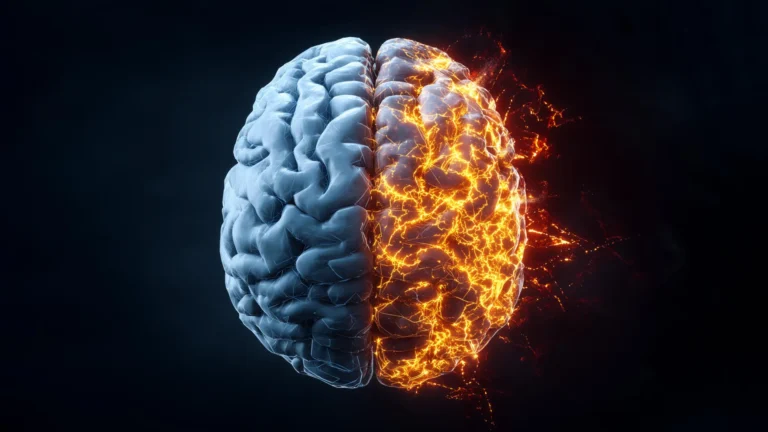
The intricate journey of cognitive preservation unfolds across an individual’s lifespan, and emerging research from the AdventHealth Research Institute offers a compelling and accessible strategy for enhancing neural vitality. A consistent regimen of aerobic exercise, according to newly published findings, appears to significantly contribute to the brain maintaining a more youthful biological state. This observed effect holds considerable promise for fostering sharper cognitive functions, bolstering memory recall, and promoting an overall sense of mental well-being.
Central to this investigation was the quantifiable impact of a year-long commitment to aerobic physical activity on the perceived age of the brain. The study’s outcomes revealed that participants who diligently adhered to an aerobic exercise program exhibited brain structures that appeared, on average, nearly a full year younger than their counterparts who maintained their customary levels of physical engagement. This revelation underscores the potential for deliberate lifestyle choices to exert a tangible influence on the aging process of the brain.
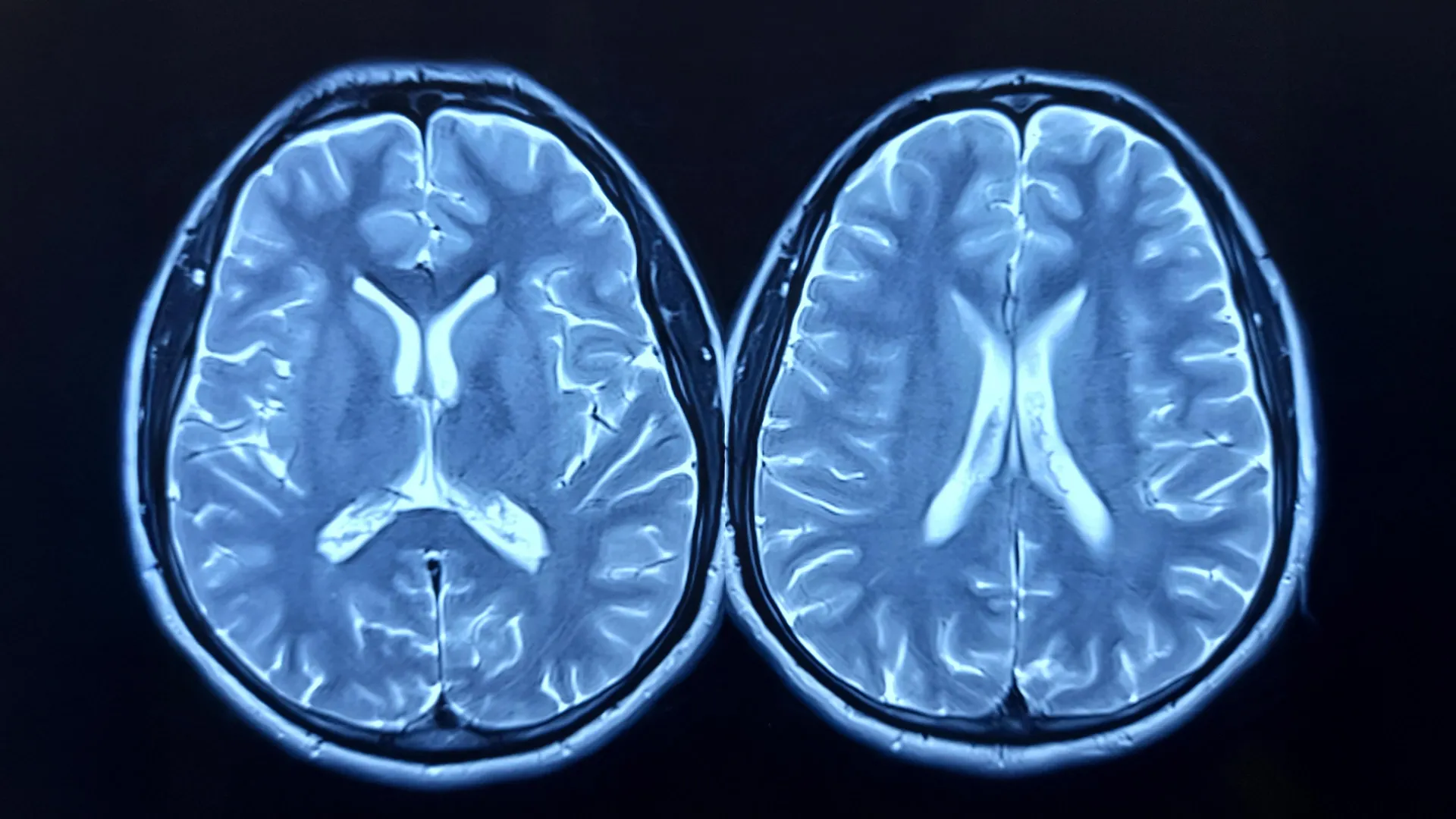
The scientific methodology employed to assess brain age relied on sophisticated Magnetic Resonance Imaging (MRI) technology. This non-invasive imaging technique allows researchers to generate a metric known as "brain age," which is essentially an estimation of how old the brain appears based on its structural characteristics, irrespective of the individual’s chronological age. A disparity between a person’s actual age and their brain’s estimated age, often quantified as brain-predicted age difference (brain-PAD), has been a subject of considerable scientific interest. Prior investigations have established correlations between a higher brain-PAD, indicating an older-appearing brain, and diminished physical and cognitive performance, as well as an elevated mortality risk.
Dr. Lu Wan, the lead author of the study and a data scientist at the AdventHealth Research Institute, articulated the significance of these findings, stating, "We discovered that a straightforward, guideline-adherent exercise program can lead to a measurably younger appearance of the brain within a mere 12 months." She further elaborated on the broader implications, noting, "Numerous individuals harbor concerns about safeguarding their brain health as they navigate the aging process. Studies like this provide encouraging insights rooted in accessible, everyday behaviors. While the absolute shifts observed were modest, even a one-year alteration in brain age could accumulate substantial benefits over several decades."
The cornerstone of this research was a meticulously designed clinical trial that enrolled 130 healthy adults, spanning an age range from 26 to 58 years. Participants were systematically allocated into one of two groups: an intervention group engaged in moderate-to-vigorous aerobic exercise, or a control group that continued their usual lifestyle routines. The exercise cohort underwent two supervised 60-minute workout sessions weekly within a controlled laboratory setting. In addition to these supervised sessions, participants were encouraged to incorporate home-based aerobic activities to collectively achieve approximately 150 minutes of moderate-to-vigorous physical activity per week. This structured regimen was carefully aligned with the established physical activity guidelines recommended by the American College of Sports Medicine.
To meticulously track changes, researchers utilized MRI scans to capture detailed structural information of the brain at both the commencement of the study and again after the completion of the 12-month intervention period. Concurrently, cardiorespiratory fitness was assessed through measurements of peak oxygen uptake, commonly referred to as VO2peak, providing a standardized indicator of aerobic capacity.
Upon the conclusion of the year-long trial, a clear divergence in the trajectory of brain aging became apparent between the two study groups. Individuals who actively participated in the exercise program demonstrated a discernible reduction in their brain age. In stark contrast, participants in the control group experienced a slight increase in their brain age. Quantitatively, the exercise group witnessed an average decrease in their brain-PAD of approximately 0.6 years, signifying that their brains presented as biologically younger by that margin. Conversely, the control group’s brains appeared to age by roughly 0.35 years, a change that did not reach statistical significance. When directly compared, the cumulative difference between the two groups approximated one full year, with the exercise group exhibiting the advantage of a younger-appearing brain.
Dr. Kirk I. Erickson, the senior author of the study and a distinguished neuroscientist and director at both the AdventHealth Research Institute and the University of Pittsburgh, emphasized the potential long-term implications of even these seemingly small shifts. He stated, "Even though the difference is less than a year, prior research suggests that each additional ‘year’ of brain age is associated with meaningful differences in later-life health." He further posited, "From a lifespan perspective, influencing the brain in a younger direction during midlife could prove to be exceptionally important."
In an effort to unravel the underlying mechanisms through which exercise might exert its influence on brain aging, the research team explored a range of potential contributing factors. These included changes in participants’ overall physical fitness levels, their body composition (such as body fat percentage), blood pressure readings, and the circulating levels of brain-derived neurotrophic factor (BDNF). BDNF is a crucial protein known for its role in promoting neuroplasticity – the brain’s remarkable ability to adapt and reorganize itself throughout life. Despite observing clear improvements in fitness among the exercise participants, none of these measured physiological factors could statistically account for the observed reduction in brain-PAD within the trial.
"That was a surprise," Dr. Wan admitted. "We had anticipated that improvements in fitness or blood pressure would explain the observed effect, but they did not. It is possible that exercise is operating through additional mechanisms that we have not yet captured, such as subtle alterations in brain structure, inflammatory processes, vascular health, or other molecular pathways." This unexpected outcome highlights the complexity of the brain-exercise relationship and suggests that there may be more intricate biological processes at play than were initially hypothesized.
A distinctive feature of this particular study was its deliberate focus on individuals in early to mid-adulthood, a demographic often overlooked in exercise and brain health research, which tends to concentrate on older adults where age-related changes are already more pronounced. By targeting this earlier life stage, the researchers aimed to investigate the potential for preventive interventions. The rationale behind this approach is that intervening during midlife, when brain changes may be less evident but are still amenable to influence, could yield greater long-term benefits.
"Initiating interventions in one’s 30s, 40s, and 50s provides us with a significant head start," Dr. Erickson explained. "If we can effectively slow the aging process of the brain before the onset of significant age-related challenges, we may be able to delay or mitigate the risk of cognitive decline and dementia later in life." This perspective underscores the proactive potential of lifestyle choices in shaping future brain health trajectories.
The authors of the study were careful to temper expectations by acknowledging certain limitations. They noted that the participant pool consisted of healthy, relatively well-educated volunteers, and that the observed changes in brain age, while statistically significant, were modest in magnitude. Furthermore, they emphasized the necessity for larger-scale studies and extended follow-up periods to ascertain whether these reductions in brain-PAD translate into a demonstrably lower risk of debilitating neurological conditions such as stroke, dementia, or other brain-related diseases.
"People frequently inquire, ‘Is there anything I can do now to safeguard my brain in the future?’" Dr. Erickson remarked. "Our findings lend support to the notion that adhering to current exercise guidelines – specifically, engaging in 150 minutes per week of moderate-to-vigorous aerobic activity – may indeed contribute to maintaining a biologically younger brain, even during the midlife years." This statement provides a clear, actionable takeaway message for the general public seeking to optimize their cognitive longevity.
Dr. Lu Wan’s professional background includes her tenure as a Data Scientist at AdventHealth in Orlando, Florida, commencing in June 2024. Her prior experience encompasses roles as a Data Engineer at the University of Pittsburgh and a Biomedical Engineer at Spaulding Rehabilitation Hospital. Holding a PhD and having completed her graduate research training at the University of Florida, her scholarly pursuits are centered on the complex interplay between brain aging, physical activity, and cognitive health across the adult lifespan. She is an affiliated researcher with the AdventHealth Neuroscience Institute, an institution recognized nationally for its contributions to brain research and patient care.
Dr. Kirk I. Erickson holds a prominent position as the Director of Translational Neuroscience and the Mardian J. Blair Endowed Chair of Neuroscience at the AdventHealth Research Institute. He earned his Ph.D. from the University of Illinois at Urbana-Champaign and subsequently completed his postdoctoral training at the esteemed Beckman Institute. Prior to his current role, he served as a Professor at the University of Pittsburgh. His extensive research portfolio is dedicated to understanding how physical activity influences brain health throughout an individual’s life. Dr. Erickson is a prolific author, having published over 350 academic articles, and has led significant research initiatives funded by the National Institutes of Health (NIH). His expertise has also been recognized through his service on the U.S. Physical Activity Guidelines Advisory Committee.
The research underpinning this study received vital financial support from the National Institutes of Health and the National Heart, Lung, and Blood Institute, specifically through Grant P01 HL040962, which was awarded to Dr. Peter J. Gianaros and Dr. Kirk I. Erickson. This funding was instrumental in enabling the researchers to conduct the rigorous investigation into the effects of aerobic exercise on brain aging.
About the Author