A year of consistent, moderate-to-vigorous aerobic exercise can contribute to a brain appearing biologically younger, according to novel research from the AdventHealth Research Institute, offering a promising avenue for maintaining cognitive acuity and overall mental vitality throughout life. This investigation into the physiological effects of physical exertion suggests that adhering to established exercise regimens may serve as a potent strategy for mitigating age-related brain changes, potentially supporting clearer thought processes, enhanced memory recall, and a general improvement in psychological well-being. The findings are particularly encouraging as they emerge from a study focused on individuals in early to mid-adulthood, a demographic often overlooked in brain health research that typically targets older populations.
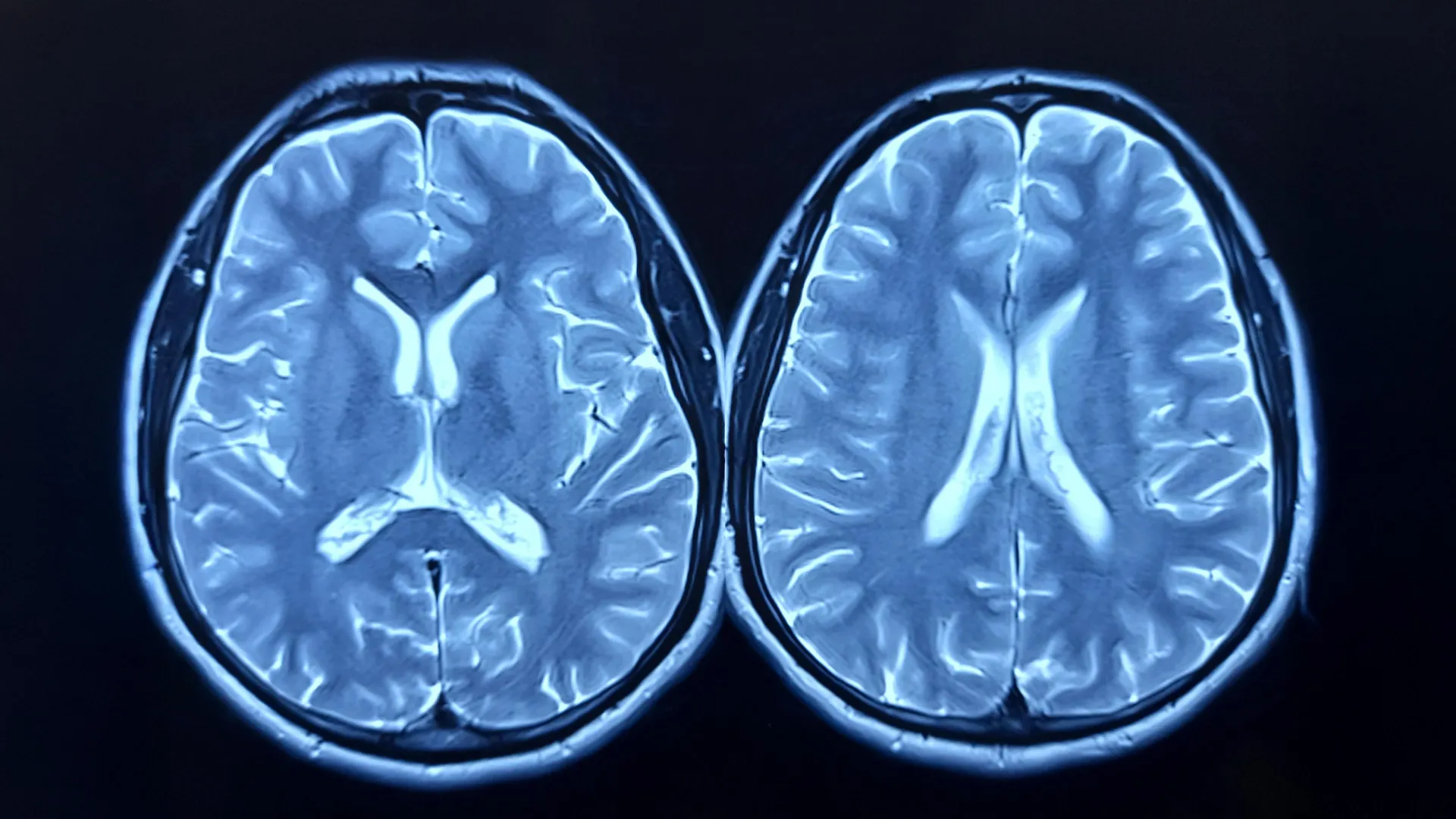
The scientific endeavor, detailed in the latest issue of the Journal of Sport and Health Science, set out to determine if the adoption of a regular aerobic exercise routine could either decelerate or even reverse the progression of what researchers term "brain age." This concept is assessed through sophisticated magnetic resonance imaging (MRI) techniques, which provide an estimation of a brain’s apparent age relative to an individual’s chronological age. A disparity indicating an older brain, quantified as a higher brain-predicted age difference (brain-PAD), has been previously associated with diminished physical and cognitive capabilities, as well as an elevated mortality risk. Dr. Lu Wan, the lead author and a data scientist at the AdventHealth Research Institute, highlighted the significance of the findings, stating, "We discovered that a straightforward exercise program, aligned with current health recommendations, can result in a discernible reduction in brain age within a mere twelve months." She further elaborated on the implications for public health, noting, "Many individuals harbor concerns regarding the preservation of their brain health as they advance in years. Studies like this provide encouraging insights rooted in accessible, everyday behaviors. While the absolute magnitude of these changes may appear modest, even a one-year shift in brain age can accrue substantial benefits over the span of several decades."
The core of this illuminating study involved a meticulously designed clinical trial that enrolled 130 healthy adults, whose ages ranged from 26 to 58 years. Participants were randomly allocated into one of two distinct groups: an intervention group committed to a structured program of moderate-to-vigorous aerobic exercise, or a control group maintaining their usual levels of physical activity. The exercise cohort engaged in two laboratory-supervised workout sessions weekly, each lasting 60 minutes, supplemented by home-based activities to achieve a cumulative total of approximately 150 minutes of aerobic activity per week. This regimen precisely mirrored the physical activity guidelines recommended by the American College of Sports Medicine, underscoring the practical applicability of the intervention.
To quantify the impact of the exercise intervention on brain structure, researchers employed MRI scans at the commencement of the study and again following a 12-month period. Concurrently, cardiorespiratory fitness was assessed through measurements of peak oxygen uptake, commonly referred to as VO2peak, providing a physiological benchmark of participants’ fitness levels. This dual approach allowed for a comprehensive evaluation of both structural brain changes and functional fitness improvements.
Upon the conclusion of the year-long trial, the comparative analysis between the two groups revealed distinct and compelling outcomes. Participants who actively engaged in the exercise program demonstrated a statistically significant decrease in their estimated brain age. In contrast, individuals in the control group exhibited a slight, albeit not statistically significant, increase in their brain age. On average, the exercise group experienced a reduction in their brain-PAD by approximately 0.6 years, indicating that their brains appeared younger at the study’s end. The control group’s brains, conversely, appeared approximately 0.35 years older. When directly compared, the cumulative difference in brain age between the two groups was substantial, approaching a full year in favor of the participants who had followed the exercise protocol.
Dr. Kirk I. Erickson, a senior author of the study and a distinguished neuroscientist and director at both the AdventHealth Research Institute and the University of Pittsburgh, emphasized the clinical relevance of these findings. "Even though the observed difference is less than a year, prior research indicates that each additional ‘year’ of brain age is correlated with meaningful differences in health outcomes later in life," he explained. "From a longevity perspective, influencing the brain toward a younger trajectory during midlife could hold considerable importance."
In an effort to elucidate the underlying mechanisms by which exercise might exert its beneficial effects on brain aging, the research team explored several potential contributing factors. These included examining changes in participants’ physical fitness levels, body composition, blood pressure readings, and concentrations of brain-derived neurotrophic factor (BDNF), a critical protein known to support neural plasticity and the formation of new connections in the brain. Intriguingly, despite clear improvements in cardiorespiratory fitness among the exercise group, none of these measured factors were found to statistically account for the observed reduction in brain-PAD.
"This outcome was somewhat unexpected," Dr. Wan commented. "We had anticipated that improvements in physical fitness or blood pressure would explain a significant portion of the effect, but they did not. It suggests that exercise may be influencing brain aging through other, yet-to-be-identified mechanisms, potentially involving subtle alterations in brain structure, inflammatory processes, vascular health, or other molecular pathways." This revelation opens new avenues for future research, prompting deeper investigation into the complex interplay between physical activity and neurobiological processes.
The strategic decision to focus this investigation on individuals in midlife, rather than older adults where age-related brain changes are often more pronounced, represents a significant departure from many previous studies. This approach is predicated on the understanding that intervening during the earlier stages of adulthood, when brain alterations may be less evident but still amenable to influence, could yield greater long-term preventative benefits. "Initiating interventions in one’s thirties, forties, and fifties provides a crucial head start," Dr. Erickson asserted. "If we can effectively slow the aging process of the brain before significant pathological changes manifest, we may be able to postpone or diminish the risk of cognitive decline and dementia in later life."
While the findings are highly encouraging, the authors of the study prudently acknowledge certain limitations. They noted that the participant pool comprised healthy, relatively well-educated volunteers, and that the observed changes in brain age were modest in magnitude. Consequently, they underscored the necessity for larger-scale studies and extended follow-up periods to ascertain whether these reductions in brain-PAD translate into a lower incidence of stroke, dementia, or other neurodegenerative diseases.
Addressing a common concern among the public, Dr. Erickson offered a reassuring perspective: "People frequently inquire, ‘Is there anything I can do now to safeguard my brain for the future?’ Our research lends support to the notion that adhering to current exercise guidelines – specifically, engaging in 150 minutes per week of moderate-to-vigorous aerobic activity – may play a vital role in maintaining a biologically younger brain, even during midlife." This practical advice empowers individuals to take proactive steps towards preserving their cognitive health.
The research team responsible for this groundbreaking work comprises distinguished scientists dedicated to advancing our understanding of brain health. Dr. Lu Wan, a Data Scientist at AdventHealth in Orlando, Florida, brings a wealth of experience in data engineering and biomedical engineering, with a research focus on brain aging, physical activity, and cognitive health across the adult lifespan. She is affiliated with the AdventHealth Neuroscience Institute, a recognized leader in brain research and patient care. Dr. Kirk I. Erickson, the Director of Translational Neuroscience and the Mardian J. Blair Endowed Chair of Neuroscience at the AdventHealth Research Institute, is a prolific neuroscientist with extensive experience in leading major federally funded trials and advising on national physical activity guidelines. His research expertise lies in the impact of physical activity on brain health throughout life. The study received vital financial support from the National Institutes of Health and the National Heart, Lung, and Blood Institute, under grant numbers P01 HL040962, awarded to Peter J. Gianaros and Kirk I. Erickson, underscoring the collaborative and well-supported nature of this important scientific inquiry.
About the Author