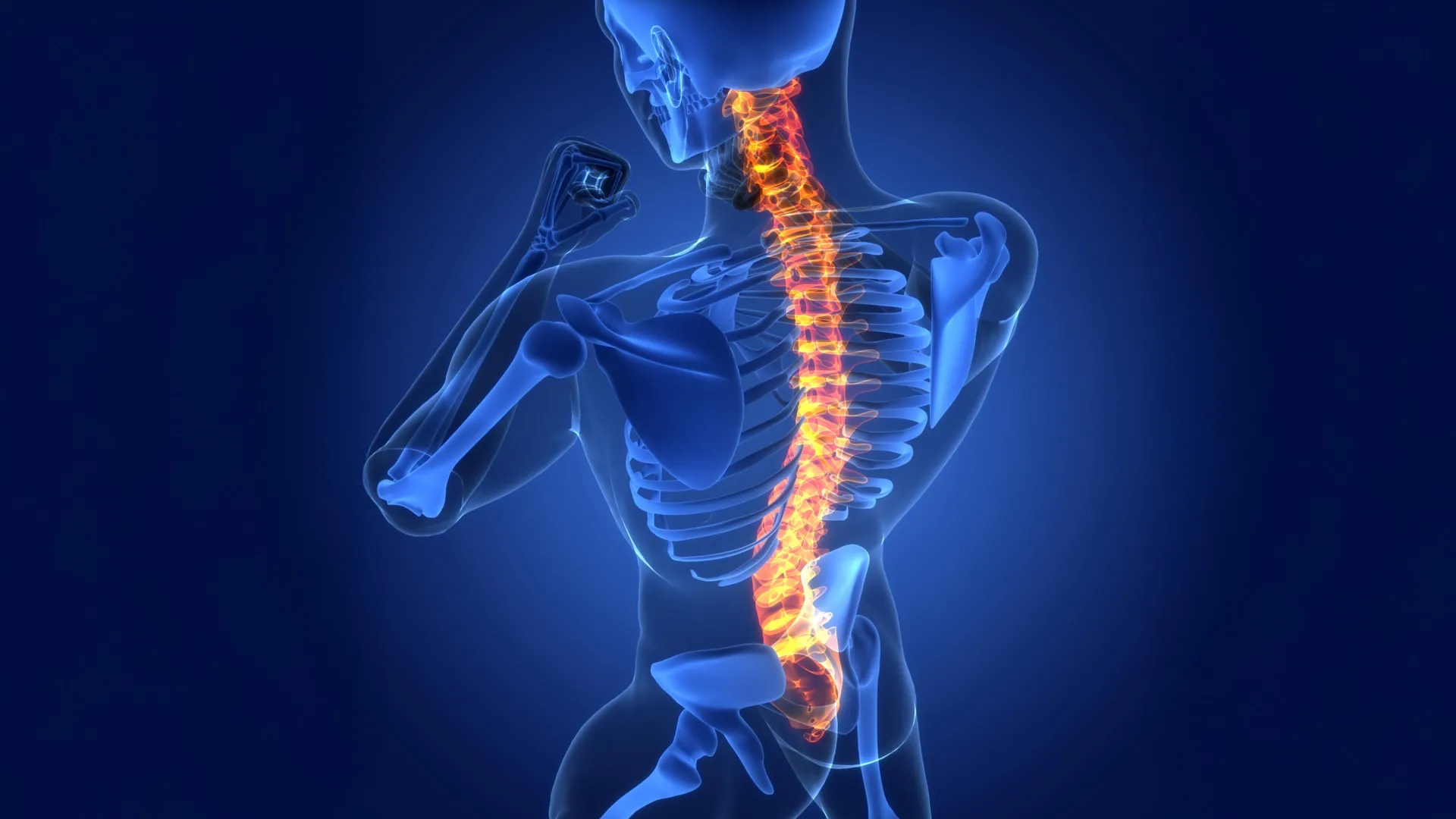
A significant clinical investigation, unveiled on December 23, 2025, within the esteemed pages of Neurology, the official medical journal of the American Academy of Neurology, has illuminated the complex interplay between advanced age and the recovery trajectory following a spinal cord injury. This comprehensive study challenges long-held assumptions by demonstrating that the capacity for nerve regeneration remains remarkably robust, irrespective of an individual’s chronological age at the time of injury.
"As global populations expand and medical science achieves greater efficacy, we observe a growing prevalence of spinal cord injuries, with the average age of affected individuals steadily ascending," commented Dr. Chiara Pavese, MD, PhD, a lead researcher from the University of Pavia in Italy, underscoring the evolving demographic landscape of this condition. She further elaborated on the persistent plateau in recovery rates despite decades of medical and surgical advancements, stating, "While considerable progress has been made in treating spinal cord injuries over recent decades, the rate at which individuals regain function has not seen a commensurate increase. Our findings hold the potential to guide future research endeavors, enabling the design of studies that are precisely calibrated to age cohorts, thereby facilitating a more accurate evaluation of novel therapeutic strategies and intervention models for individuals navigating life with a spinal cord injury."
The core revelation of this research indicates that the body’s innate ability to mend and reconnect damaged neural pathways following a spinal cord injury is not intrinsically diminished by the passage of time. Participants in the study, regardless of whether they were younger adults or in their later years, exhibited comparable improvements in motor strength and sensory perception. This encompassed the restoration of sensitivity to light touch and the ability to discern the sensation of a pinprick, suggesting a fundamental resilience in the neural repair mechanisms. The data strongly implies that the biological machinery responsible for nerve regrowth and functional restoration operates with a surprising degree of consistency across a wide spectrum of ages.
However, the study delineates a critical distinction between neurological recovery and functional rehabilitation in the context of daily living. While the nerves themselves demonstrated a capacity for regeneration that transcended age barriers, the ability of individuals to reintegrate into their everyday routines and regain independence in performing essential tasks showed a discernible age-related gradient. Older adults, in particular, encountered greater obstacles in re-establishing autonomy in activities crucial for self-care and mobility. These included fundamental tasks such as personal grooming, feeding oneself, managing bodily functions like bladder and bowel control, and navigating their environment.
Furthermore, the impact of age became more pronounced when evaluating mobility and walking capabilities. Older participants demonstrated less pronounced progress in walking assessments, which meticulously measured the speed and efficiency with which individuals could traverse a short distance. These assessments were conducted both with and without assistive devices, such as canes or walkers, providing a nuanced picture of their functional mobility. The findings suggest that while the underlying neural repair might be age-agnostic, the broader physiological and practical implications of these repairs, particularly concerning mobility, are influenced by an individual’s age.
This extensive investigation meticulously documented the recovery journeys of 2,171 individuals who had sustained spinal cord injuries. The cohort presented an average age of 47 years at the time of their inclusion in the study. All participants had been admitted to specialized spinal cord injury care units that are integral to the European Multicenter Study about Spinal Cord Injury, a collaborative initiative designed to gather comprehensive data on this condition. The researchers embarked on a year-long observational period for each participant, conducting repeated assessments of their physical capabilities and their functional independence in daily life. This longitudinal approach allowed for a thorough analysis of how age correlated with the extent and nature of recovery over this critical post-injury period.
The statistical analysis unequivocally revealed a lack of correlation between an individual’s age and their neurological outcomes. Specifically, improvements in the strength of the limbs and the responsiveness of sensory pathways showed no significant divergence based on age. This finding reinforces the notion that the intrinsic neural repair processes are remarkably preserved across the lifespan.
In stark contrast to the neurological findings, the trajectory of functional recovery presented a clear and significant age-dependent pattern. Independence in performing daily activities was quantified using a standardized scale, ranging from zero to 100, where higher scores signified greater functional autonomy. Upon admission to specialized care units, participants, on average, registered a functional score of 31. Over the course of the subsequent year, this average score saw a modest increase to 35, indicating an overall improvement within the cohort.
However, the detailed breakdown of these improvements revealed a significant impact of age. For every decade of advanced age, there was a corresponding decrease of 4.3 points in the improvement observed on this functional independence scale. This translates to older individuals experiencing a less substantial gain in their ability to manage daily tasks independently compared to their younger counterparts. Similarly, older participants exhibited diminished progress across all walking-related functional tests when juxtaposed with younger individuals. These age-related disparities in functional gains persisted even after researchers meticulously accounted for crucial variables such as the specific type of spinal cord injury sustained and its overall severity.
The study further pinpointed a particularly acute decline in functional recovery among individuals who had surpassed the age of 70. This segment of the population faced more significant challenges in regaining independence and mobility. Dr. Pavese emphasized the necessity of tailored rehabilitation strategies for this demographic, stating, "Individuals over the age of 70 require specialized approaches to rehabilitation that acknowledge and address the presence of co-existing health conditions, such as cardiovascular disease, diabetes, or osteoporosis. These tailored interventions are essential to facilitate recovery that is directly applicable and beneficial to their daily lives." This highlights the importance of a holistic approach that considers the broader health profile of older individuals undergoing rehabilitation.
The researchers thoughtfully acknowledged certain limitations inherent in their study. A notable concern was the attrition rate, with a substantial number of individuals initially enrolled in the broader database no longer participating in the study by the one-year follow-up mark. The precise reasons for these dropouts, including the possibility of mortality during the observation period, were not always fully documented. The potential for these departing participants to differ systematically from those who remained in the study could, therefore, introduce a degree of bias and influence the final observed results. Despite this limitation, the study’s robust methodology and large sample size provide valuable insights into the complex dynamics of spinal cord injury recovery across different age groups.
The research initiative was generously supported by funding from multiple esteemed organizations, including the Swiss National Science Foundation, the Wings for Life Research Foundation, the European Union’s Horizon 2020 research and innovation program, the Swiss State Secretariat for Education, Research and Innovation, and the Italian Ministry of Health. This collaborative financial backing underscores the global significance and collaborative spirit driving advancements in spinal cord injury research.
About the Author