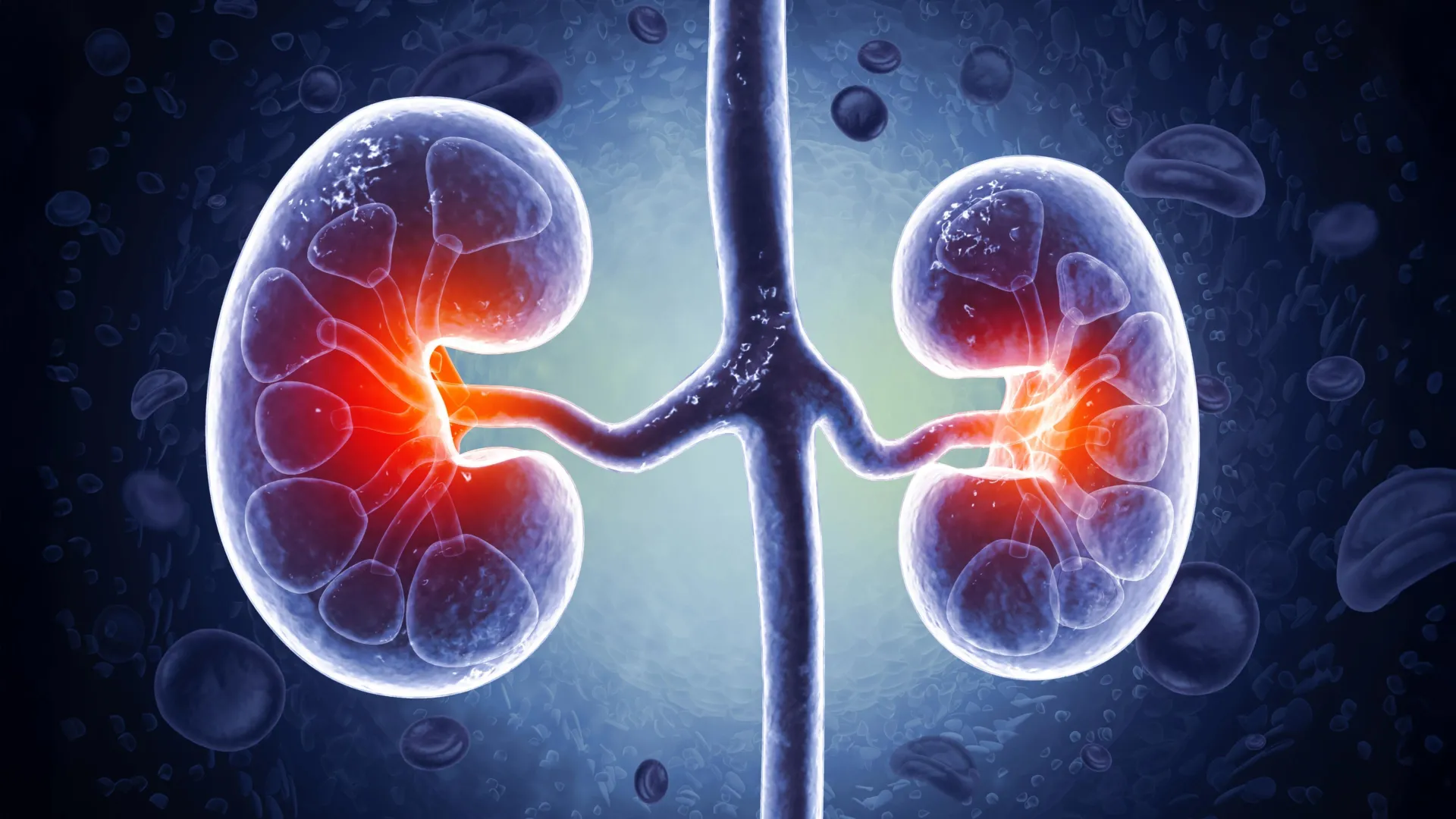
A groundbreaking international investigation has illuminated a critical diagnostic gap in the evaluation of kidney health, revealing that a notable disparity between two standard blood markers for renal function can serve as a potent early indicator for severe adverse health outcomes, including end-stage kidney disease, cardiovascular complications, and increased mortality risk. This extensive research, encompassing nearly a million adults globally, underscores the urgent need for a more comprehensive approach to assessing kidney function, moving beyond reliance on single biomarkers.
For decades, medical professionals have predominantly relied on serum creatinine levels to estimate the glomerular filtration rate (GFR), a key measure of how efficiently the kidneys filter waste products from the blood. Creatinine, a waste product derived from muscle metabolism, is relatively easy and inexpensive to measure. However, its concentration in the blood can be significantly influenced by factors unrelated to kidney function, such as an individual’s muscle mass, age, sex, dietary protein intake, and even certain medications. These confounding variables mean that creatinine-based GFR estimates can sometimes misrepresent true kidney health, potentially leading to delayed diagnosis or inappropriate management.
More recently, medical guidelines, notably from the Kidney Disease—Improving Global Outcomes (KDIGO) organization, have increasingly advocated for the measurement of cystatin C. This small protein, produced at a constant rate by virtually all nucleated cells in the body, is also freely filtered by the glomeruli in the kidneys. Unlike creatinine, cystatin C levels are less affected by muscle mass, race, and diet, offering a potentially more accurate and stable indicator of GFR, particularly in populations where creatinine measurements might be less reliable, such as the elderly, those with extreme muscle wasting, or individuals with atypical body compositions.
The synergistic value of these two markers lies in their complementary nature. Because creatinine and cystatin C are influenced by different biological processes and non-renal factors, their combined assessment offers a more nuanced and robust picture of kidney function. When both tests are performed, clinicians can cross-reference their results, leveraging the strengths of each to compensate for the other’s limitations. This dual-marker strategy aims to minimize the "blind spots" inherent in using either test in isolation, providing a clearer lens through which to view an individual’s renal status and future risk profile.
A large-scale study, published in the prestigious Journal of the American Medical Association and presented at the American Society of Nephrology’s annual Kidney Week conference, provides compelling evidence for the clinical utility of this dual-marker approach. Researchers affiliated with NYU Langone Health observed that significant discrepancies between creatinine-based and cystatin C-based kidney function estimates were remarkably common, particularly among patients admitted to hospitals. Specifically, their analysis revealed that over one-third of hospitalized individuals exhibited cystatin C levels suggesting kidney function was at least 30% worse than what their creatinine readings indicated. This substantial divergence, according to the study authors, serves as a powerful signal for underlying physiological distress or disease processes that might otherwise remain undetected.
Dr. Morgan Grams, a co-corresponding author of the study and the Susan and Morris Mark Professor of Medicine at NYU Grossman School of Medicine, emphasized the profound implications of these findings. "Our research underscores the critical importance of evaluating both creatinine and cystatin C to achieve a truly accurate understanding of renal performance, especially in older and sicker patient populations," Dr. Grams stated. "By integrating both biomarkers, we can potentially identify a significantly larger number of individuals experiencing compromised kidney function, and crucially, do so at an earlier stage in the disease continuum." This early detection capability holds immense promise for initiating timely interventions and slowing disease progression, thereby potentially averting more severe health complications.
The ramifications of precise kidney function assessment extend far beyond mere diagnosis. Accurate GFR measurements are indispensable for guiding the safe and effective dosing of a vast array of medications. The kidneys play a pivotal role in clearing many therapeutic agents from the body, including vital cancer treatments, life-saving antibiotics, and numerous commonly prescribed drugs. Incorrect dosing due to an overestimation of kidney function can lead to drug accumulation, toxicity, and severe adverse drug reactions. Conversely, an underestimation might result in sub-therapeutic dosing, rendering treatments ineffective. Therefore, a more accurate reflection of renal capacity directly translates into enhanced patient safety and improved therapeutic outcomes.
The context for this research is further amplified by a separate, concurrent study from the same research group, which highlighted the escalating global burden of chronic kidney disease (CKD). This companion study reported that CKD now affects an unprecedented number of individuals worldwide and has regrettably ascended to become the ninth leading cause of death globally. The pervasive nature of CKD, often progressing silently for years without overt symptoms, makes early detection and intervention paramount. Dr. Grams, who also holds a professorship in the Department of Population Health at NYU Grossman School of Medicine, noted that superior diagnostic tools for identifying kidney dysfunction at its nascent stages could empower clinicians to implement treatment strategies sooner, potentially reducing the eventual need for costly and life-altering interventions such as dialysis or kidney transplantation.
To arrive at these compelling conclusions, the investigators undertook an unprecedented global analysis. They meticulously reviewed medical records, laboratory test results, and comprehensive demographic data from an astounding 860,966 adults hailing from six distinct nationalities. Crucially, all participants in this cohort had both creatinine and cystatin C levels measured on the same day, establishing a direct comparison point. The participants were then longitudinally followed for an average period of 11 years. The researchers employed sophisticated statistical models to adjust for various factors known to influence these biomarkers independently of kidney function, including smoking status, obesity, and a history of cancer, thereby strengthening the causal inferences drawn from the observed associations.
This monumental effort was spearheaded through the Chronic Kidney Disease Prognosis Consortium (CKD-PC), an international collaborative established with the mission to deepen our understanding of CKD, harmonize global definitions of the condition, and standardize the assessment of its associated risks. The sheer scale and international scope of this investigation represent the largest study to date specifically examining the relationship between discrepancies in these two kidney function tests and long-term health outcomes, lending considerable weight to its findings.
The study unequivocally demonstrated that individuals whose cystatin C results indicated a GFR at least 30% lower than their creatinine-derived GFR faced significantly elevated risks across a spectrum of adverse health events. These included a substantially higher likelihood of all-cause mortality, the development of cardiovascular disease, the onset of heart failure, and the progression to severe chronic kidney disease necessitating either dialysis or an organ transplant. Alarmingly, similar patterns of increased risk were also observed in a significant minority—approximately 11%—of outpatients and individuals who, at the time of testing, appeared to be in good health. This highlights the insidious nature of kidney dysfunction and the potential for these biomarker discrepancies to unmask hidden pathologies even in outwardly asymptomatic individuals.
Despite the clear benefits of cystatin C testing, its adoption into routine clinical practice has been slow. Dr. Grams pointed out that the Kidney Disease—Improving Global Outcomes (KDIGO) organization first issued recommendations for cystatin C testing in 2012. However, a survey conducted in 2019 revealed that fewer than 10% of clinical laboratories within the United States were performing the test in-house. While there has been progress since then, with major diagnostic laboratory companies like Quest Diagnostics and Labcorp now offering the test, its widespread utilization by clinicians remains a significant challenge.
Dr. Josef Coresh, a co-corresponding author of the study and the director of NYU Langone’s Optimal Aging Institute, echoed the call for greater physician engagement. "These results powerfully underscore the imperative for physicians to leverage the increasing availability of cystatin C testing from hospitals and healthcare providers," Dr. Coresh urged. "Without incorporating this valuable marker, clinicians risk overlooking crucial information regarding their patients’ current well-being and their susceptibility to future medical complications." Dr. Coresh, who is also the Terry and Mel Karmazin Professor of Population Health at NYU Grossman School of Medicine, further highlighted the underutilization issue by noting that among the hospitalized American patients included in the study cohort, less than 1% had received a cystatin C test.
The research received vital financial backing from grants provided by the National Institutes of Health and the National Kidney Foundation, underscoring the public health importance of the investigation. The study was a truly collaborative endeavor, with Dr. Michelle Estrella of the University of California, San Francisco, serving as the first author, and Dr. Kai-Uwe Eckardt of Charite-Universitatsmedizin Berlin in Germany as the senior author. Alongside Drs. Grams and Coresh, who are co-leaders of the Chronic Kidney Disease Prognosis Consortium, key contributors from NYU Langone included Dr. Shoshana Ballew, Ms. Yingying Sang, and Dr. Aditya Surapaneni. The extensive list of additional investigators from institutions across the United States, Europe, Asia, and Australia further exemplifies the global scientific cooperation necessary to execute such a monumental and impactful study, ultimately aiming to refine diagnostic strategies and improve patient outcomes for millions worldwide.
About the Author