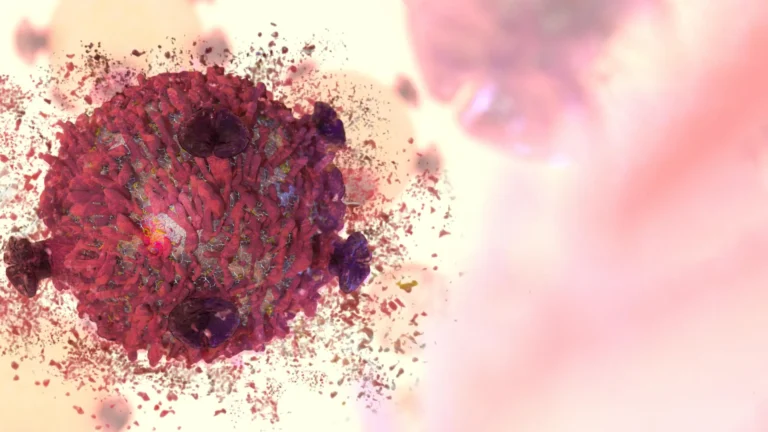
A groundbreaking perspective article recently featured in Nature Nanotechnology has illuminated a novel and highly promising avenue for addressing a range of intractable illnesses, including neurodegenerative conditions and various malignancies. This innovative approach centers on the deployment of meticulously engineered nanoparticles designed to selectively eliminate aberrant proteins from the human body. Spearheaded by Professor Bingyang Shi, an eminent Chair Professor in Nanomedicine at the University of Technology Sydney (UTS), the research represents a significant paradigm shift, promising to expand the therapeutic arsenal against proteins previously deemed beyond the reach of conventional pharmacological interventions. The collaborative effort also involved the expertise of Professor Kam Leong from Columbia University and Professor Meng Zheng of Henan University, underscoring the international scope of this scientific endeavor.
Proteins are the fundamental workhorses of biological systems, orchestrating virtually every cellular process and bodily function. Their precise structure and interactions are crucial for health. However, when these intricate molecular machines deviate from their normal state—whether through genetic mutation, improper folding, excessive production, or accumulation in incorrect locations—they can become potent drivers of disease. Such dysfunctional proteins are implicated in a vast spectrum of human ailments, from various forms of cancer where they fuel uncontrolled cell growth, to autoimmune disorders where they provoke immune system attacks on healthy tissues, and debilitating neurodegenerative conditions like Alzheimer’s disease, characterized by the accumulation of toxic protein aggregates in the brain. The intrinsic characteristics of many of these pathological proteins, such as their complex three-dimensional shapes or their rapid degradation within cells, render them notoriously resistant to traditional drug development methodologies, presenting a formidable challenge to modern medicine.
In response to this critical unmet need, the research team has conceptualized and developed a sophisticated class of synthetic nanoparticles termed nanoparticle-mediated targeting chimeras, or NPTACs. These microscopic constructs are meticulously designed to act as highly precise molecular scouts and executioners. Their core function involves specifically recognizing and binding to designated disease-associated proteins, subsequently guiding these harmful molecules into the body’s intrinsic cellular recycling machinery for controlled degradation and removal. This method effectively hijacks natural physiological pathways to clear undesirable protein species, offering a potentially more efficient and less invasive therapeutic strategy. The foundational discovery underpinning this revolutionary approach was initially reported in Nature Nanotechnology in October 2024, with the current perspective piece providing a comprehensive overview of its mechanics and potential applications across diverse medical fields.
The concept of targeted protein degradation (TPD) has emerged as one of the most dynamic and rapidly expanding frontiers in contemporary biotechnology. This field, which seeks to harness the cell’s natural protein disposal systems to eliminate disease-causing proteins, has attracted considerable commercial interest and substantial investment. Prominent biotechnology companies, such as Arvinas, have successfully secured over a billion US dollars in funding and forged significant strategic alliances with pharmaceutical giants including Pfizer, Bayer, and Roche. These partnerships underscore the immense potential perceived within TPD to develop a new generation of highly effective therapeutics. Existing TPD modalities, primarily based on small molecules like proteolysis-targeting chimeras (PROTACs) and molecular glues, have shown considerable promise. However, their widespread application has been hampered by several inherent limitations. These include challenges in achieving adequate drug delivery to specific tissues, particularly across the formidable blood-brain barrier for neurological disorders, the potential for off-target effects on healthy proteins, and the complexities associated with their manufacturing and systemic administration. Such hurdles have particularly impeded progress in critical therapeutic areas, notably in the treatment of intricate brain disorders and solid tumors, where drug penetration and specificity are paramount.
The NPTAC platform directly addresses and overcomes these significant bottlenecks, positioning itself as a superior alternative to current protein degradation technologies. The inherent nature of nanoparticles offers several distinct advantages. Firstly, their nanoscale dimensions allow for enhanced permeability and retention effects in tumor tissues and offer potential strategies for overcoming biological barriers like the blood-brain barrier, which is notoriously difficult for most small-molecule drugs to traverse. This capability is particularly vital for treating brain cancers and neurodegenerative diseases. Secondly, the modular design of NPTACs provides unprecedented flexibility. Each nanoparticle can be engineered with specific targeting ligands that bind exclusively to the protein of interest, coupled with elements that recruit the cellular degradation machinery. This modularity allows for the rapid adaptation and customization of NPTACs to target a wide array of different pathological proteins simply by altering the targeting component, thereby offering a highly versatile therapeutic platform. Furthermore, the ability of NPTACs to engage the body’s own recycling systems, such as the ubiquitin-proteasome pathway or the lysosomal pathway, ensures that the targeted proteins are not merely inhibited but are actively and permanently removed, a more definitive therapeutic outcome than simple enzyme inhibition.
Crucially, the NPTAC technology has already demonstrated encouraging results in preclinical investigations against key disease targets. Notably, the platform has shown efficacy against epidermal growth factor receptor (EGFR), a protein frequently overexpressed in various cancers and known to drive tumor proliferation and survival. By facilitating the degradation of EGFR, NPTACs could offer a potent new strategy for inhibiting tumor growth and improving patient outcomes in EGFR-driven malignancies. Similarly, the technology has exhibited success in targeting programmed death-ligand 1 (PD-L1), a protein that plays a pivotal role in enabling cancer cells to evade detection and destruction by the immune system. The degradation of PD-L1 by NPTACs could potentially re-sensitize tumors to immune attack, thereby enhancing the effectiveness of immunotherapy strategies. These early successes underscore the platform’s broad applicability across oncology, neurology, and immunology, representing a transformative shift in how nanoparticles are conceptualized within medicine—no longer merely as passive drug delivery vehicles, but as active, intelligent therapeutic agents capable of directly intervening in disease pathways.
The implications of this research extend far beyond the immediate preclinical findings. For neurodegenerative diseases, the ability to selectively remove misfolded protein aggregates—such as amyloid-beta plaques and tau tangles in Alzheimer’s disease, or alpha-synuclein in Parkinson’s disease—offers a tantalizing prospect for disease modification rather than just symptomatic management. Current treatments for these debilitating conditions are largely palliative, and a therapy capable of clearing the underlying protein pathology would represent a monumental leap forward. In oncology, the precision targeting offered by NPTACs could lead to more effective treatments for a wider range of solid tumors, overcoming issues of drug resistance and systemic toxicity often associated with conventional chemotherapy. Furthermore, by improving drug delivery to difficult-to-reach sites and ensuring highly specific protein degradation, NPTACs could minimize off-target effects, thereby enhancing the safety profile of future treatments.
The global market for targeted protein degradation therapies is projected to exceed $10 billion USD by 2030, reflecting the intense interest and investment in this transformative area of drug discovery. Within this burgeoning landscape, the NPTAC platform stands poised to become a cornerstone for the next generation of smart, precision therapeutics. Its unique combination of specificity, efficiency, and modularity offers a distinct competitive advantage, enabling the development of highly customized treatments for individual patient needs. With multiple international patents already secured, the research team is now actively seeking strategic industry partners. These collaborations are crucial for accelerating the journey from promising preclinical data to rigorous clinical development, securing essential licensing agreements across various therapeutic domains, and ultimately navigating the complex regulatory approval processes required to bring these potentially life-changing therapies to patients worldwide. This innovative nanoparticle-based strategy heralds a new era in drug development, promising to unlock therapeutic solutions for diseases that have long eluded effective treatment.
About the Author