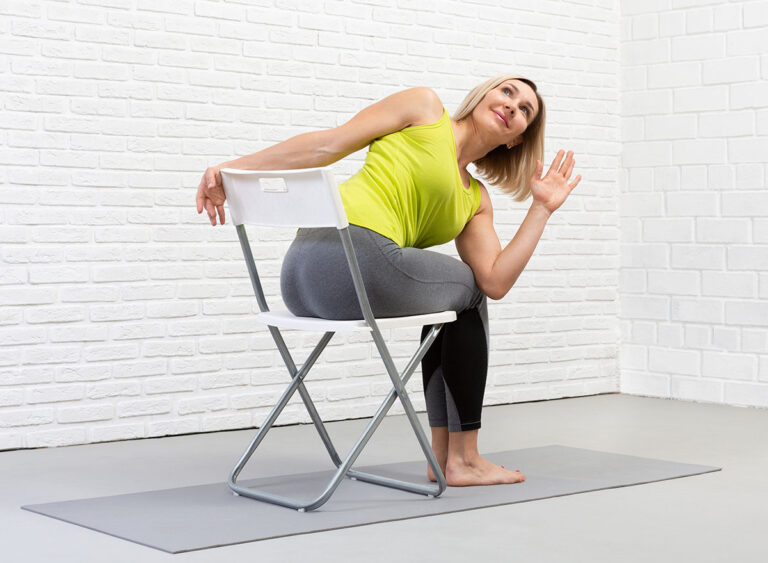
As individuals progress into midlife, typically beyond the age of 45, many observe subtle yet noticeable alterations in their physical composition, particularly concerning muscle tone and overall firmness in the upper extremities. This natural physiological shift often manifests as a reduction in the tautness of the arms, a phenomenon influenced by a confluence of factors including age-related muscle loss, known as sarcopenia, and changes in the quality of connective tissues. While these developments are a normal part of the aging process, they do not signify an irreversible decline in strength or the impossibility of maintaining a defined physique. Instead, they signal a requirement for adjusted approaches to physical activity, emphasizing consistent muscular engagement, intelligent movement patterns, and exercises that challenge muscles across their full range of motion.
The pursuit of enhanced upper arm definition does not necessarily demand prolonged hours in a gym or reliance on heavy resistance equipment. In fact, for many, the inherent advantages of bodyweight training present a compelling and highly effective alternative. This method leverages an individual’s own mass as resistance, compelling muscles to work synergistically for support, stabilization, and movement. Such an approach inherently cultivates continuous tension within the targeted musculature, a critical component for stimulating hypertrophy and improving muscle density. When bodyweight exercises are strategically chosen and sequenced, even brief exercise sessions can deliver a potent physiological stimulus, proving particularly true for the muscles of the arms where the duration of muscular tension frequently outweighs the sheer magnitude of external load in driving aesthetic improvements.
A frequently underestimated element in achieving and sustaining muscle tone is the regularity of training. Research and anecdotal evidence consistently suggest that short, focused workouts performed with high frequency can often yield superior results compared to longer, more strenuous sessions undertaken sporadically. The practicality of a condensed routine, such as one lasting merely six minutes, significantly reduces the psychological and logistical barriers to consistent participation. Such brevity makes these workouts effortlessly integrated into daily schedules, whether as a morning energizer, a midday break, or a concluding flourish to the day. The ease of recovery from these less demanding but frequent engagements further promotes adherence, allowing the routine to seamlessly evolve into a sustainable daily habit. Over extended periods, this unwavering consistency acts as a powerful catalyst for tangible improvements in both muscle firmness and the overall contour of the arms.
To address the specific goals of upper arm definition in the midlife demographic, a precisely engineered six-minute bodyweight circuit has been developed by certified fitness professionals. This regimen meticulously targets the key muscle groups responsible for arm aesthetics and function, including the triceps, which constitute a significant portion of upper arm mass, the deltoids for shoulder shape, the biceps for anterior arm definition, and the stabilizing muscles of the upper back. Each repetition within this circuit is designed to rigorously challenge muscular control, joint stability, and foundational strength. The continuous nature of the movements, coupled with a deliberate focus on quality execution, ensures maximal muscular activation without leading to excessive fatigue or discomfort.
The structured program consists of two primary exercises, performed consecutively in a timed interval format. Participants are advised to set a timer for 45 seconds of active work followed by a 15-second rest period. After completing both exercises in this manner, a 30-second recovery break is taken before repeating the entire sequence. This structure emphasizes controlled movements and a concentrated effort on proper form throughout each repetition. The only equipment required is a stable elevated surface, such as a sturdy bench, a robust coffee table, or a strong chair, for one of the exercises, along with an unobstructed patch of floor space for the other.
Exercise 1: Incline Push-Ups
The incline push-up is a foundational bodyweight exercise that offers a highly effective method for strengthening the triceps and anterior deltoids while concurrently minimizing potential strain on the shoulder joints, making it an ideal choice for individuals over 45. By elevating the upper body, this modification reduces the overall load, allowing for greater control and an extended duration of muscle engagement throughout the entire range of motion. This elevated position facilitates a deeper stretch and more profound contraction, enhancing the time under tension for the triceps, which are critical for the appearance of firm arms. Beyond the primary movers, incline push-ups also engage the shoulders and core muscles, contributing to an improved overall upper body posture and stability, which in turn accentuates arm definition by strengthening the supporting musculature. When executed with precision and deliberate control, this movement fosters significant strength gains and visible improvements in muscle firmness without subjecting the joints to undue stress.

- Execution Protocol: Begin by positioning your hands on the elevated surface, slightly wider than shoulder-width apart, with your body forming a straight line from head to heels. Engage your core muscles to prevent any sagging in the hips. Slowly lower your chest towards the elevated surface, maintaining control throughout the descent, ensuring your elbows track backwards and slightly outwards. Once your chest is close to the surface, powerfully push back up to the starting position, fully extending your arms without locking the elbows. Focus on squeezing the triceps at the top of the movement.
- Adaptations for Progression/Regression: For those seeking a less challenging version, performing incline push-ups with knees on the floor can further reduce the load. Conversely, to increase difficulty, consider slowing down the tempo of each repetition, particularly the lowering phase, or exploring single-arm assisted incline push-ups where one arm provides minimal support.
Exercise 2: Bodyweight Plank Rows (or Stability Rows)
The bodyweight plank row, often adapted from the traditional renegade row to exclude external weights, ingeniously shifts the training emphasis from lifting heavy loads to mastering total-body control and stability. This exercise is profoundly effective for sculpting arm definition, particularly for individuals in midlife, by demanding constant isometric engagement from the shoulders and triceps to support the body’s weight. Simultaneously, the upper back and core musculature are intensely activated to resist rotational forces as one arm momentarily lifts off the ground, simulating a "pulling" motion against the body’s own inertia. This dynamic interaction forces the arm muscles to remain engaged for extended periods, building both endurance and definition. The combination of isometric strength, core stabilization, and anti-rotational work generates deep, joint-friendly tension that significantly contributes to improved arm firmness and muscular clarity without imposing excessive stress on the elbows or shoulders.
- Execution Protocol: Adopt a high plank position on the floor, hands directly beneath your shoulders, fingers pointing forward, and body forming a straight line from head to heels. Ensure your core is tightly braced and hips remain level. With controlled precision, lift one hand off the floor, bringing it briefly towards your rib cage, as if performing a row without an external weight. The primary focus here is to resist any rotational movement in your torso, maintaining a stable plank throughout. Return the hand to the floor with equal control and repeat on the opposite side, alternating arms for the duration of the work interval.
- Adaptations for Progression/Regression: To simplify the movement, perform incline bodyweight plank rows by placing your hands on an elevated surface, similar to incline push-ups, reducing the gravitational challenge. For increased difficulty, experiment with slower tempos during the arm lift and return, or incorporate a brief pause and hold at the peak of the "row" to intensify isometric contraction and stability demands.
Beyond the specific mechanics of this routine, a holistic approach to wellness is paramount for maximizing results in upper arm definition, especially for individuals over 45. The efficacy of exercise is inextricably linked to recovery, nutrition, and lifestyle factors.
- Consistency is Key: Adhering to the routine four to six days per week is crucial. The cumulative effect of frequent, brief stimuli is far more beneficial than infrequent, intense bouts of exercise.
- Prioritize Recovery: Adequate sleep is non-negotiable for muscle repair and regeneration. Aim for 7-9 hours of quality sleep nightly. Consider incorporating active recovery methods, such as light stretching or walking, on rest days to promote blood flow and reduce muscle soreness.
- Nourish Your Body: A balanced diet rich in lean protein is essential for muscle synthesis and repair. Ensure sufficient intake of fruits, vegetables, and whole grains to provide necessary micronutrients and energy.
- Stay Hydrated: Water plays a vital role in every cellular function, including muscle contraction and nutrient transport. Maintain optimal hydration levels throughout the day to support performance and recovery.
- Progressive Overload: As you grow stronger, challenge your muscles further. This can be achieved in bodyweight training by increasing the number of repetitions, slowing down the tempo of movements (eccentric focus), reducing rest times, or advancing to more difficult variations of the exercises.
- Mind-Muscle Connection: Consciously focusing on the muscles being worked during each exercise enhances activation and improves the effectiveness of the movement.
By consistently implementing this six-minute bodyweight routine and embracing these supplementary lifestyle recommendations, individuals can expect to experience a rapid improvement in perceived arm strength and definition. Within weeks, the tactile sensation of firmer arms becomes evident, with visible aesthetic enhancements often following shortly thereafter. This integrated strategy underscores that effective fitness in midlife is not about brute force or endless hours, but rather intelligent, consistent, and well-supported effort.
About the Author