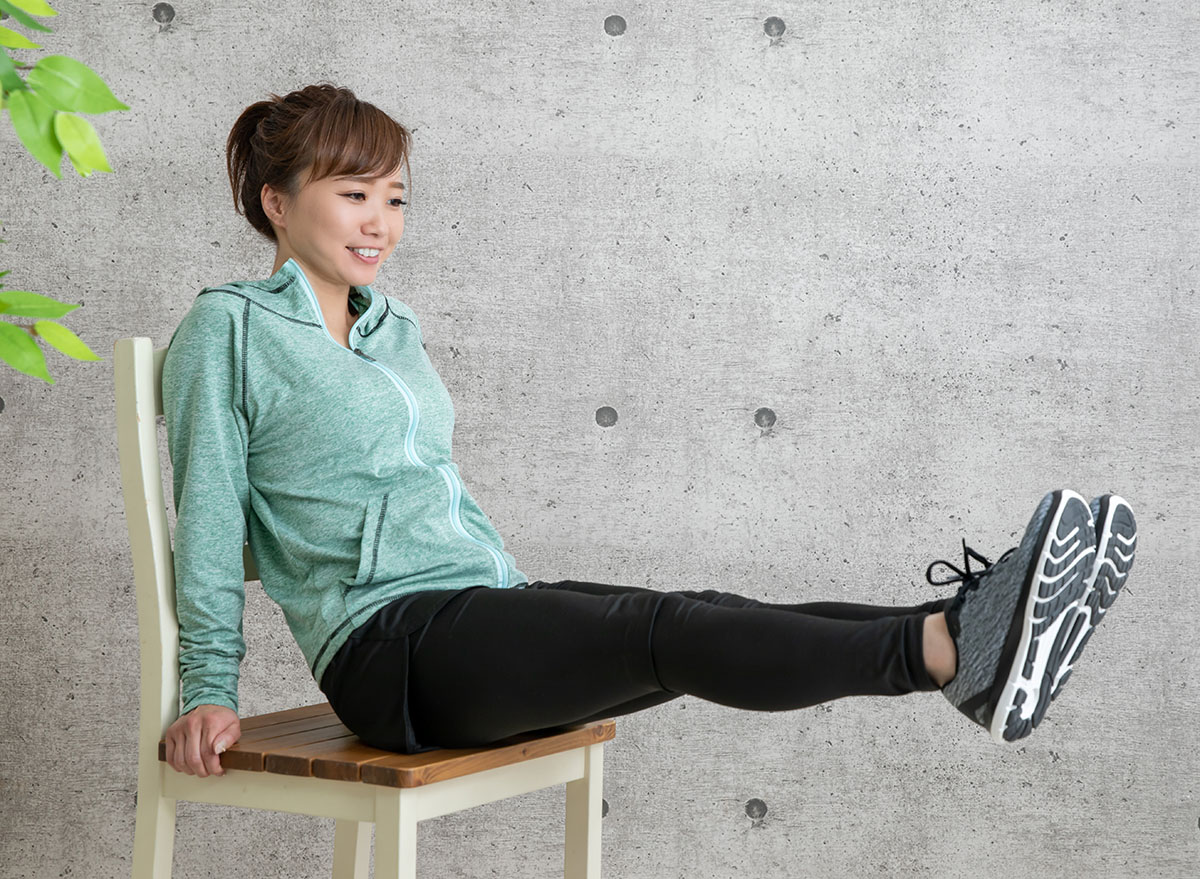
As individuals progress into their later decades, maintaining robust physical health becomes increasingly vital for preserving independence and enhancing overall quality of life. A significant challenge faced by many in the senior population is sarcopenia, the progressive, age-related loss of skeletal muscle mass, strength, and function. This physiological decline is not an inevitable or insurmountable fate; rather, it is a condition that can be effectively mitigated and even reversed through targeted physical activity, particularly resistance training. While the notion of strength exercises might conjure images of heavy lifting and high-impact movements, a growing body of evidence, supported by insights from certified strength and conditioning specialists, points to the profound efficacy of accessible, joint-friendly modalities like seated resistance exercises. These methods offer a strategic pathway to rebuilding muscle, fostering neuromuscular coordination, and enhancing functional capacity without imposing undue stress on the body’s joints or demanding complex balance.
Sarcopenia is far more than just a cosmetic concern; it represents a fundamental threat to active aging. Beginning as early as the third decade of life, and accelerating significantly after age 60, adults can lose between 3% and 8% of their muscle mass per decade. This gradual erosion of muscle tissue contributes to a cascade of negative health outcomes, including increased risk of falls, diminished metabolic rate, impaired glucose regulation, reduced bone density, and a general decline in the ability to perform daily tasks such as walking, climbing stairs, or rising from a chair. The primary drivers of sarcopenia include hormonal shifts, a decreased rate of muscle protein synthesis, and, critically, a reduction in physical activity. The conventional response to age-related frailty often involves cautious movements, which inadvertently perpetuates the cycle of muscle atrophy. However, the human body, regardless of age, retains a remarkable capacity for adaptation. Providing muscles with a consistent and appropriate stimulus is key to prompting growth and functional improvement.
Resistance training stands as the most potent intervention against sarcopenia. It stimulates muscle protein synthesis, strengthens connective tissues, improves bone mineral density, and enhances nerve-muscle communication. For older adults, the traditional gym environment or free-standing exercises can sometimes present barriers, such as concerns about stability, balance, or potential joint discomfort. This is precisely where seated exercises offer a revolutionary approach. By performing movements from a seated position, individuals gain inherent stability and support, effectively eliminating the balance constraint that often limits effort and focus in standing exercises. This stable base allows for greater concentration on the targeted muscle groups, enabling a more precise engagement of muscle fibers, a fuller range of motion, and the generation of significant power without the fear of losing balance or stressing vulnerable joints. The result is a highly effective, low-impact method for achieving the necessary "time under tension" – the duration a muscle is actively working against resistance – which is crucial for muscle hypertrophy and strength development.
A carefully curated selection of seated exercises can address major muscle groups, providing a comprehensive full-body workout that supports daily activities and improves overall physical resilience. These movements are designed not only to restore lost strength but also to enhance neuromuscular coordination, the brain’s ability to communicate effectively with muscles.
1. The Seated Knee Extension: Fortifying Lower Body Power
The quadriceps muscles, located at the front of the thigh, are fundamental for almost every lower-body movement, including walking, navigating stairs, and the critical action of transitioning from sitting to standing. As these muscles weaken, mobility significantly decreases, and the risk of falls increases. The seated knee extension specifically isolates the quadriceps, allowing for a focused and controlled contraction. By stabilizing the hips and spine through a seated posture, individuals can concentrate solely on extending the lower leg against resistance, thereby maximizing quadriceps activation without imposing compressive forces on the spinal column or undue strain on the hip joints.
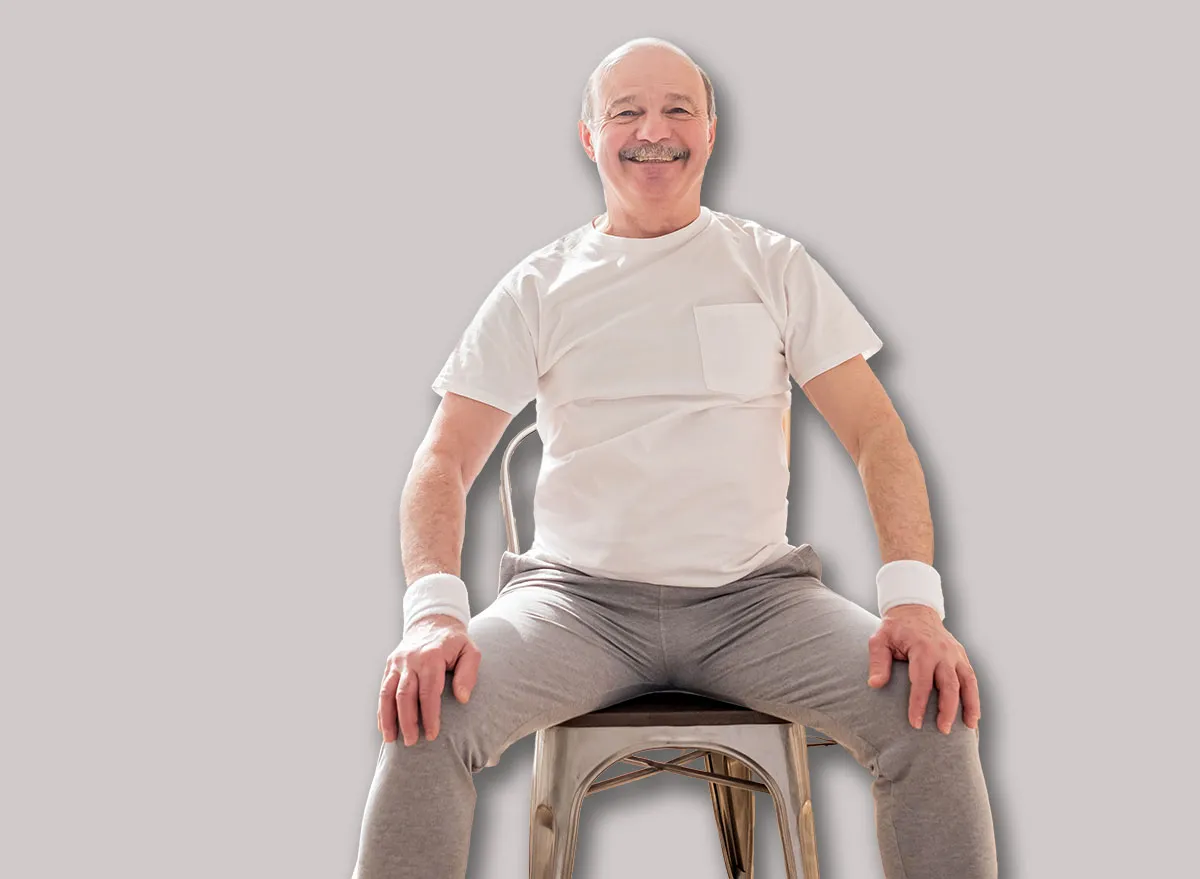
- Functional Importance: Directly translates to improved stair climbing, safer chair transfers, and enhanced walking endurance.
- Execution Focus: Initiate the movement by slowly extending one leg until it is nearly straight, focusing on squeezing the quadriceps at the peak of the contraction. Maintain a controlled tempo, avoiding any abrupt or jerky motions, especially at the knee’s apex. Return the leg slowly to the starting position.
- Progression: Begin with bodyweight and progress by adding ankle weights, resistance bands looped around the chair leg and ankle, or by varying the tempo of the movement, such as holding the extended position for a few seconds. Aim for 3 sets of 12-15 repetitions per leg, with a brief rest period of 45-60 seconds between sets.
2. The Seated Chest Press: Bolstering Upper Body Pushing Strength
Upper body pushing movements are essential for a myriad of daily tasks, from opening heavy doors to pushing oneself up from a low surface. The pectorals (chest muscles), triceps, and anterior deltoids (front of the shoulders) are the primary movers in these actions. Over time, particularly with reduced activity, this pushing strength can wane, impacting independence. The seated chest press provides robust spinal support, enabling a safe and effective way to rebuild these critical muscle groups.
- Functional Importance: Directly aids in pushing open doors, getting up from chairs, and maintaining an upright posture.
- Execution Focus: With a stable back against the chair, hold dumbbells or resistance bands. Press the weights or handles forward, extending the arms, while engaging the chest muscles. Ensure the elbows do not flare excessively wide, maintaining a controlled path of motion. Slowly bring the weights back to the starting position.
- Progression: Start with light dumbbells or a manageable resistance band. Increase the weight or band tension, incorporate single-arm presses for added core engagement, or vary the grip (e.g., neutral grip with palms facing each other). Perform 3 sets of 10-14 repetitions, resting for 60 seconds between sets.
3. The Seated Row: Cultivating Postural Integrity and Pulling Power
Balanced muscle development is crucial for overall physical health, and strong pulling muscles are often neglected in daily life, leading to postural imbalances. The muscles of the upper back (rhomboids, trapezius), latissimus dorsi, and biceps are vital for maintaining good posture, supporting shoulder health, and performing tasks that involve pulling. The seated row targets these muscles effectively, helping to counteract the effects of prolonged sitting and promoting a tall, aligned spine.
- Functional Importance: Improves posture, reduces shoulder discomfort, and enhances the ability to pull objects towards the body, such as opening drawers or lifting groceries.
- Execution Focus: Using dumbbells or a resistance band anchored to a sturdy point in front, initiate the pull by retracting the shoulder blades, driving the elbows back towards the torso. Focus on feeling the muscles in the upper back contract. Avoid shrugging the shoulders towards the ears. Slowly extend the arms back to the starting position with control.
- Progression: Begin with a weight or band tension that allows for good form. Advance by increasing resistance, performing single-arm rows to challenge core stability, or incorporating tempo variations (e.g., a slower eccentric phase). Aim for 3 sets of 12-15 repetitions, with a rest period of 45-60 seconds between sets.
4. The Seated Marches: Enhancing Hip Strength and Coordination
Hip strength and dynamic coordination are paramount for safe and efficient ambulation. As individuals age, hip flexor weakness can impede gait, increase the risk of tripping, and reduce overall mobility. Seated marches are a deceptively simple yet highly effective exercise for strengthening the hip flexors and lower abdominal muscles, while simultaneously improving neuromuscular coordination.
- Functional Importance: Directly supports walking mechanics, enhances balance (even when seated, the coordination translates), and reduces the risk of lower-body instability.
- Execution Focus: While seated with a straight back, gently lift one knee towards the chest, engaging the hip flexors and lower abdominals. Maintain a stable torso, avoiding leaning back excessively. Slowly lower the foot back to the floor and repeat with the opposite leg in a controlled, alternating fashion.
- Progression: Initially, focus on controlled movement and full range of motion. Progress by adding ankle weights, increasing the height of the knee lift, or incorporating brief holds at the peak of the march. Perform 3 sets of 10-12 repetitions per side, with a rest period of 30-45 seconds between sets.
Optimizing Your Strength Rebuilding Journey Beyond the Exercises:
While these specific movements form the foundation, successful muscle rebuilding after 60 requires a holistic approach built on several key principles:
- Consistency is Paramount: Sporadic exercise yields minimal results. Integrate these movements into a regular routine, aiming for 2-3 sessions per week on non-consecutive days to allow for muscle recovery and growth.
- Embrace Progressive Overload: Muscles adapt and grow only when challenged. Gradually increase the resistance (e.g., heavier dumbbells, stronger resistance bands), the number of repetitions or sets, or the duration of time under tension. The goal is to make the last few repetitions of each set challenging, but not to the point of compromising form.
- Prioritize Form Over Weight: Correct technique is non-negotiable. Poor form can negate the benefits of an exercise and increase the risk of injury. Focus on controlled movements, feeling the target muscle work, and maintaining proper posture throughout. If unsure, consider consulting a certified fitness professional.
- Fuel Your Muscles with Nutrition: Adequate protein intake is critical for muscle repair and synthesis. Aim for 20-30 grams of high-quality protein at each meal, distributed throughout the day. Hydration also plays a vital role in cellular function and overall physical performance.
- Value Rest and Recovery: Muscle growth occurs not during the workout, but during the recovery period. Ensure sufficient sleep and allow muscles adequate time to repair and rebuild before the next training session.
- Listen to Your Body: Distinguish between muscle fatigue, which is normal and desirable, and joint pain, which signals a need to adjust the exercise, reduce resistance, or consult a healthcare professional. Modifying movements to accommodate individual limitations is a sign of intelligent training, not weakness.
- Seek Professional Guidance: For those new to structured exercise or managing chronic health conditions, consulting a physician before starting any new fitness regimen is advisable. A certified personal trainer specializing in senior fitness can also provide tailored guidance and ensure exercises are performed safely and effectively.
Reclaiming and enhancing muscular strength in later life is a powerful investment in one’s well-being. By embracing the accessibility and effectiveness of seated resistance training, individuals over sixty can not only rebuild lost muscle but also cultivate greater confidence, bolster their functional independence, and significantly enrich their capacity for an active, vibrant lifestyle for years to come. The journey toward a stronger, more resilient self is always within reach, starting with intentional, well-supported movement.
About the Author