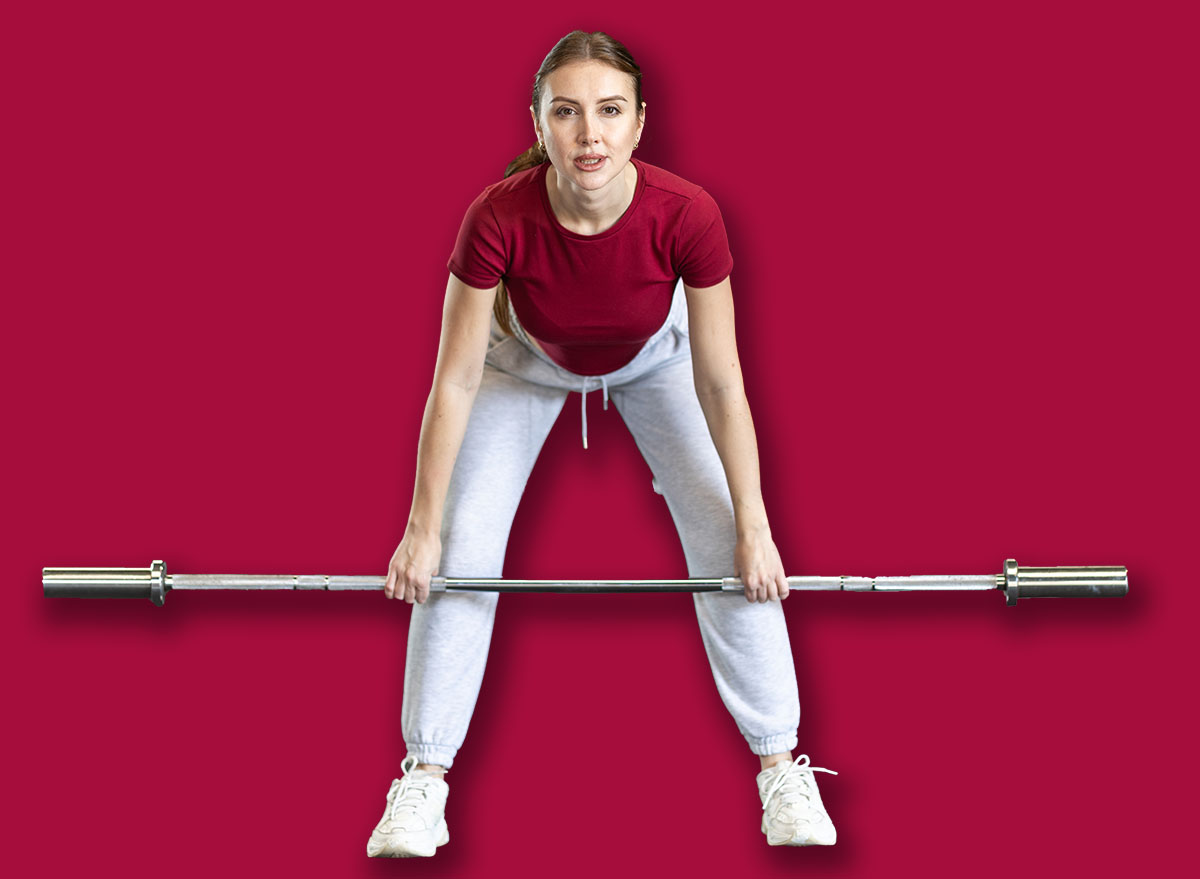
The natural process of aging brings with it numerous physiological shifts, among the most significant being the gradual decline in skeletal muscle mass, strength, and function—a condition medically termed sarcopenia. This age-related muscular atrophy is not merely an aesthetic concern; it profoundly impacts an individual’s quality of life, independence, and overall health. While muscle loss can commence as early as the third decade of life, with studies indicating a decrement of 3% to 8% per decade without consistent resistance training or adequate protein intake, its progression often accelerates dramatically after the age of 55. This critical juncture often coincides with various lifestyle adjustments and biological factors that further impede muscle preservation and growth, making proactive intervention essential for sustaining vitality and mobility.
Understanding sarcopenia goes beyond simply acknowledging muscle shrinkage. It encompasses a complex interplay of factors, including hormonal changes (such as reduced testosterone and growth hormone), chronic inflammation, decreased physical activity levels, neurological changes affecting motor units, and inadequate nutritional intake, particularly of protein. The consequences extend far beyond reduced physical prowess; sarcopenia is a significant predictor of increased fall risk, diminished bone density, impaired metabolic health (contributing to insulin resistance and type 2 diabetes), and a general decline in the ability to perform activities of daily living. For older adults, maintaining muscle mass is therefore not just about strength but about preserving autonomy and reducing susceptibility to injury and chronic disease.
Conventional wisdom often steers individuals towards heavy weight training as the primary method for combating muscle loss and building strength. While undoubtedly effective for many, this approach presents distinct challenges for the demographic over 55. As Dr. Femi Betiku, DPT, a Certified Pilates Instructor for Club Pilates, observes, a significant hurdle is that "most people over the age of 55 lack the experience and familiarity with traditional weight training." This lack of prior exposure, combined with potential pre-existing conditions, joint concerns, or simply a reluctance to engage with intimidating gym environments, can make heavy lifting an inaccessible or even risky endeavor. The emphasis on proper form with heavy loads is paramount to prevent injury, and without seasoned guidance, many may find themselves at a disadvantage.
This is precisely where a paradigm shift in fitness methodology offers a more sustainable and universally applicable solution: consistent, low-intensity daily resistance exercises. Daniella Rivka, a Neuro Restorative Movement Specialist and co-founder of The Neu Gym, emphasizes that "many people who stay active still don’t do enough of the right kind of loading (the heavier, novel, or more frequent stimulus) to prevent loss." She advocates for a practical, multi-pronged approach encompassing "regular, progressively challenging resistance work (or daily short targeted movements), more protein at each meal (about 20 to 40 grams, focusing on higher-leucine foods…), regulated consistent good sleep, and steps to reduce inflammation and treat medical issues." This holistic strategy, Rivka notes, empowers older adults to regain strength and muscle, even beyond 55.
The efficacy of daily, low-intensity exercise for older adults stems from several physiological and practical advantages. Unlike sporadic, high-intensity sessions that can lead to excessive soreness or injury, short, manageable daily workouts provide a "frequent, manageable stimulus that adds up without causing excessive soreness or injury," according to Rivka. These brief, focused sessions—typically 10 to 25 minutes—distribute the workload across the week, fostering consistent muscle protein turnover, enhancing local blood flow, and optimizing nutrient delivery to muscle tissues. Furthermore, this gradual conditioning helps tendons, ligaments, and joints adapt, preparing them to tolerate higher forces safely over time. This approach cultivates a habit of movement, making fitness an integrated part of daily life rather than an arduous, infrequent task.
Beyond the exercises themselves, a comprehensive strategy for muscle health in later life critically hinges on nutritional support, particularly protein intake. Protein is the fundamental building block of muscle tissue, and its importance cannot be overstated for individuals seeking to rebuild or maintain muscle mass. For adults over 55, the recommended intake often needs to be higher than for younger adults to counteract anabolic resistance, a phenomenon where older muscles become less responsive to protein signals. Aiming for 20 to 40 grams of protein at each meal is a valuable target. Crucially, focusing on higher-leucine foods is beneficial, as leucine is an essential amino acid known for its potent ability to trigger muscle protein synthesis. Excellent sources include cottage cheese, chicken, beef, turkey, salmon, eggs, and plant-based options like chickpeas, pumpkin seeds, and sesame seeds. Distributing protein intake evenly throughout the day rather than consuming the majority in one meal can also maximize its anabolic effects.
Adequate sleep is another cornerstone of muscle recovery and growth. During sleep, the body releases growth hormone, which is vital for tissue repair and regeneration. Chronic sleep deprivation can disrupt hormonal balance, including testosterone levels, and increase cortisol, a stress hormone that can contribute to muscle breakdown. Prioritizing 7-9 hours of quality sleep each night supports the body’s natural restorative processes. Furthermore, managing inflammation is key; chronic low-grade inflammation, often associated with aging, poor diet, and sedentary lifestyles, can hinder muscle protein synthesis. Adopting an anti-inflammatory diet rich in fruits, vegetables, and omega-3 fatty acids, alongside regular physical activity, can help mitigate this. Finally, addressing any underlying medical conditions with a healthcare professional is crucial, as certain illnesses or medications can significantly impact muscle health.
Incorporating specific, accessible exercises into a daily routine forms the practical backbone of this strategy. These movements, chosen for their effectiveness and adaptability, require minimal equipment and can be performed safely at home. Here are six foundational exercises, along with expert progression tips, to help individuals over 55 reclaim their strength and functional independence:
-
Sit-to-Stand: This fundamental exercise, often performed unconsciously throughout the day, is a powerful builder of leg strength and power. It directly translates to everyday functional movements like getting out of a chair or car. To perform, begin seated on a sturdy chair with feet flat on the floor. Lean slightly forward, engage your core, and push through your heels to stand up fully, without using your hands if possible. Slowly lower back down to the seated position.
- Progression: As strength improves, gradually decrease the seat height, increase the number of repetitions, or hold a light weight (such as a dumbbell or even a bottle of water) close to your chest. Pausing briefly at the bottom of the movement before sitting can also increase the challenge.
-
Romanian Deadlift (RDL): The RDL is an excellent exercise for strengthening the posterior chain—the muscles along the back of your body, including hamstrings, glutes, and lower back—which are crucial for posture, balance, and lifting. Unlike a conventional deadlift, the RDL emphasizes a hip hinge motion with a slight bend in the knees, keeping the back straight and the weight close to the body. Start with no weight or very light dumbbells, focusing on the movement pattern.
- Progression: Transition from a double-leg stance to a single-leg RDL to enhance balance and challenge individual leg strength. Gradually increase the load with heavier dumbbells or resistance bands. Slowing the eccentric (lowering) phase to 3 seconds can intensify muscle activation. Increase repetitions or make small, incremental weight increases.
-
Wall Pushups: An accessible alternative to traditional floor pushups, wall pushups effectively strengthen the chest, shoulders, and triceps, improving upper body pushing strength crucial for tasks like opening heavy doors or pushing oneself up from a fall. Stand facing a wall, a little more than arm’s length away. Place your hands on the wall slightly wider than shoulder-width apart, at chest height. Bend your elbows to lower your chest towards the wall, keeping your body in a straight line, then push back to the starting position.
- Progression: To increase difficulty, move your feet further away from the wall, effectively lowering the incline of your body. Alternatively, perform pushups against a kitchen counter or a sturdy table. Wearing a weighted vest, if available and appropriate, can also add resistance.
-
Seated Band Row: This exercise targets the muscles of the upper back (lats, rhomboids, trapezius), improving posture and upper body pulling strength. This is vital for tasks like pulling open drawers or carrying groceries. Sit on the floor with legs extended, placing a resistance band around your feet. Hold the ends of the band with both hands, maintaining a slight bend in your knees. Keeping your back straight, pull the band towards your torso, squeezing your shoulder blades together. Slowly release.
- Progression: Use a resistance band with stronger tension or switch to heavier dumbbells if performing seated rows with free weights. Increase the number of repetitions. Incorporate a 1-2 second isometric hold at the peak of the contraction to maximize muscle engagement. Eventually, progress to standing single-arm rows for an added core and balance challenge.
-
Calf Raises: Often overlooked, strong calf muscles are essential for balance, ankle stability, and propulsion during walking and climbing stairs. Stand tall, holding onto a chair or wall for support if needed. Slowly raise up onto the balls of your feet, lifting your heels as high as possible. Hold briefly at the top, then slowly lower your heels back down.
- Progression: Advance to single-leg calf raises to further challenge balance and isolated strength. Increase the number of repetitions. Perform calf raises on a step or elevated surface to allow for a greater range of motion, letting your heels drop below the step. Add holds at the top of the movement for 1-2 seconds. Incorporate balance time, attempting to hold the top position for 10-30 seconds.
-
Pilates Bridges: This exercise effectively strengthens the glutes, hamstrings, and lower back, while also engaging the core. It enhances hip extension, which is crucial for walking, standing, and preventing lower back pain. Lie on your back with knees bent, feet flat on the floor hip-width apart, and arms by your sides. Engage your core and glutes, then slowly lift your hips off the floor until your body forms a straight line from shoulders to knees. Hold briefly, then slowly lower back down. This can be performed on a mat or, for more advanced users, on a Pilates reformer.
- Progression: To intensify, extend one leg straight out while performing the bridge with the other leg. Place a small ball or foam roller between your knees and squeeze it throughout the movement to engage inner thigh muscles. Increase the duration of the hold at the top, or perform more repetitions.
In conclusion, while the prospect of age-related muscle loss might seem daunting, it is not an inevitable or irreversible fate. By embracing a holistic approach that integrates daily, accessible resistance exercises with strategic nutritional support, adequate sleep, and inflammation management, individuals over 55 can significantly mitigate the effects of sarcopenia. This tailored methodology, championed by experts, offers a sustainable and effective pathway to restoring muscle mass, enhancing functional fitness, and ultimately, empowering a more mobile, vibrant, and independent life. The emphasis shifts from intimidating heavy weights to consistent, manageable movements, making strength building an achievable and enjoyable journey for everyone.
About the Author