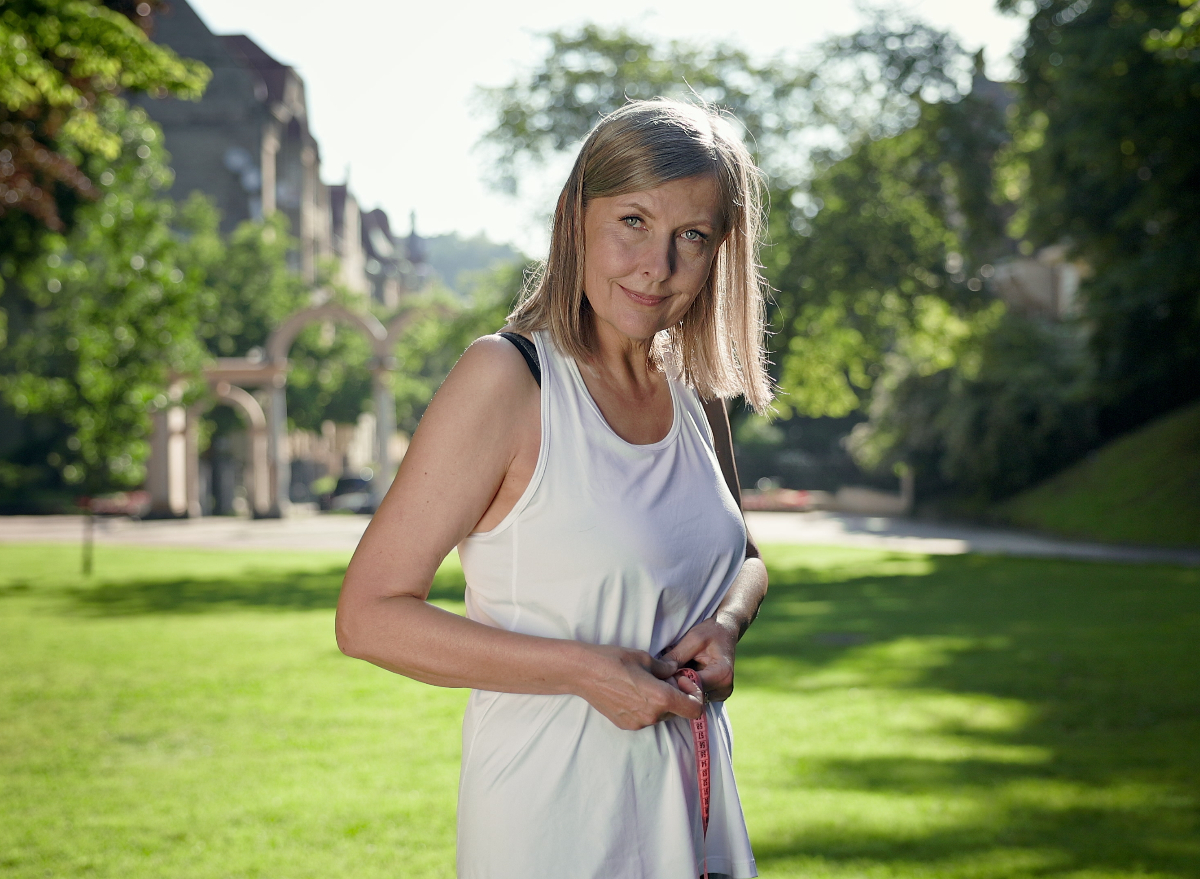
As individuals navigate the landscape of life beyond 55, maintaining physical vitality often becomes a paramount concern, particularly when it comes to preserving core strength and a toned midsection. The natural physiological shifts associated with aging, such as a decline in muscle mass (sarcopenia), increased joint stiffness, and changes in metabolism, can present unique challenges to traditional fitness regimens. However, innovative approaches to exercise, specifically those leveraging the comfort and support of one’s own bed, are emerging as highly effective and accessible solutions for fostering robust core musculature and improving overall physical well-being. This article delves into the science and practical application of bed-based core exercises, offering a compelling alternative to more strenuous floor workouts and empowering older adults to proactively sculpt their abdominal region and enhance functional stability.
The concept of integrating exercise into the very space where one begins and ends their day—the bed—is gaining traction for its inherent convenience and low-impact nature. For many over the age of 55, the prospect of getting onto a cold, hard floor for a workout can be a significant deterrent, exacerbating existing joint discomfort or simply feeling less inviting. The mattress, by contrast, offers a cushioned, elevated surface that provides crucial support for the back and joints, significantly reducing the impact and strain often associated with traditional ground-based exercises. This inherent comfort factor lowers the psychological barrier to starting a fitness routine, making consistent movement more achievable, especially during the early morning hours when the body might still be experiencing stiffness.
Beyond mere comfort, the bed’s inherent properties can actually optimize certain movements. The slight instability of a mattress challenges stabilizing muscles in a unique way, encouraging deeper engagement of the transverse abdominis—the body’s natural corset—without placing undue stress on the spine. This subtle elevation can also modify the range of motion for specific exercises, making them more manageable for those with limited flexibility or strength, yet still highly effective in targeting core muscle groups. Integrating a short, intentional exercise session before fully rising not only activates the core but also stimulates circulation and helps organize the body for the day ahead, fostering a sense of preparedness and energy.
Central to achieving a more defined midsection and improved functional strength is the development of lean muscle mass within the core. This goes far beyond superficial aesthetics; a strong core is the linchpin of good posture, balance, and efficient movement patterns. It plays a critical role in supporting the spine, reducing the risk of falls, and facilitating everyday activities like lifting groceries, bending down, or simply walking with confidence. For individuals over 55, whose balance and posture may naturally decline, cultivating robust core strength becomes an essential component of healthy aging, contributing significantly to independence and quality of life. The exercises detailed below are meticulously designed to promote controlled tension, precise positioning, and consistent muscle engagement, transforming the mattress into a dynamic tool for comprehensive core development.
One foundational exercise for enhancing core stability and coordination is the Alternating Dead Bug. This movement is deceptively simple yet profoundly effective, teaching the abdominal muscles to brace and control opposing limb movements simultaneously. Unlike rapid, momentum-driven exercises, the Dead Bug emphasizes slow, deliberate execution, compelling the core to resist extension and rotation. The supportive surface of the bed is particularly advantageous here, cradling the lower back and allowing individuals to concentrate solely on maintaining a stable pelvis and an engaged core. This focus on controlled movement also reinforces optimal breathing mechanics, which are integral to sustained core activation throughout the day.

- Muscles Targeted: Primarily engages the rectus abdominis (the "six-pack" muscle), transverse abdominis (deepest core muscle), hip flexors, and obliques.
- Execution: Lie on your back with knees bent, feet flat on the bed. Lift arms straight towards the ceiling and bring knees directly over hips, shins parallel to the bed. Slowly extend one arm overhead and the opposite leg towards the foot of the bed, keeping the lower back pressed into the mattress. Return to the starting position and alternate sides.
- Form Tip: Imagine a string pulling your belly button towards your spine, and ensure your ribs remain "down" and not flared. Move with extreme slowness and precision.
- Variations: Start with bent-knee dead bugs (tapping only heels), progress to heel-hover dead bugs (legs hover just above the bed), or incorporate a light resistance band around the feet for added challenge.
- Recommended Reps: Aim for 2-3 sets of 8-10 repetitions per side, allowing 30-45 seconds of rest between sets.
Next, Oblique Heel Taps are excellent for targeting the side abdominal muscles without placing strain on the neck or lower back, a common complaint with traditional crunch variations. The bed’s elevation subtly shortens the range of motion, facilitating better control and ensuring that the obliques are doing the work, rather than relying on momentum or compensatory movements. Consistent practice of heel taps enhances side-to-side stability and contributes to a more streamlined waistline, addressing the areas where excess tissue often accumulates. This exercise also builds core endurance, preparing the body for sustained activity.
- Muscles Targeted: Primarily works the internal and external obliques, with secondary engagement of the rectus abdominis and transverse abdominis.
- Execution: Lie on your back with knees bent and feet flat, positioned about hip-width apart. Lift your head and shoulders slightly off the bed, engaging your core, and extend your arms down by your sides. Reach one hand towards the heel on the same side, then smoothly switch to reach the other hand towards the opposite heel. Maintain a consistent lift in your upper body.
- Form Tip: Focus on "shortening the space" between your ribs and hips on each side, ensuring the movement originates from your obliques, not just your arms.
- Variations: To increase difficulty, extend your arms further or perform single-side heel taps (multiple reps on one side before switching). Tempo heel taps (slow and controlled) also enhance muscle activation.
- Recommended Reps: Complete 2-3 sets of 12-16 total repetitions, resting for 30 seconds between each set.
For developing rotational strength, a key component in a functional and defined waistline, Russian Twists are highly effective, especially when performed on a supportive surface. Sitting on the bed significantly reduces strain on the hip flexors and lower back compared to floor variations, while still demanding considerable core control. This exercise trains the abdominal muscles to both initiate and resist rotation, a crucial skill for daily movements like twisting to grab something or turning your body. When executed with deliberate slowness, Russian twists promote muscle tone and definition without undue spinal stress, making them a sustainable choice for long-term consistency.
- Muscles Targeted: Strongly activates the obliques (internal and external), rectus abdominis, transverse abdominis, and the spinal erectors (spinal stabilizers).
- Execution: Sit upright on the bed with knees bent and feet flat. Lean back slightly, engaging your core, until you feel your abdominal muscles activate. Your back should be straight, not rounded. Clasp your hands together or hold them at your chest. Rotate your torso from side to side, tapping your hands lightly on the bed next to your hip on each side.
- Form Tip: Ensure the rotation comes from your shoulders and rib cage, not just your arms. Keep your core tight and your gaze generally forward, moving with control.
- Variations: For beginners, keep feet flat on the bed. As strength improves, lift feet slightly off the bed. Incorporating a light weight (e.g., a small pillow or light dumbbell) can increase the challenge.
- Recommended Reps: Perform 2-3 sets of 10-14 repetitions per side, resting for 45 seconds between sets.
Transitioning to more dynamic movements, Incline Cross-Body Mountain Climbers offer a blend of core strength and light cardiovascular engagement. By performing this exercise with hands on the bed, the incline position alleviates pressure on the wrists and lower back, common areas of discomfort during floor-based planks. The action of bringing the knee across the body specifically targets the obliques, intensifying their work with each repetition. This combination of core activation and elevated heart rate not only supports fat loss around the midsection but also significantly contributes to muscle definition and overall stamina.
- Muscles Targeted: Engages the obliques, rectus abdominis, hip flexors, and shoulders.
- Execution: Start in an elevated plank position with hands shoulder-width apart on the edge of the bed, arms straight, and body forming a straight line from head to heels. Drive one knee towards the opposite elbow, engaging your core, then return to the starting plank. Alternate quickly, maintaining a stable upper body and level hips.
- Form Tip: Keep your hips as stable as possible, avoiding excessive rocking. Ensure your shoulders remain stacked directly over your hands throughout the movement.
- Variations: Slow cross-body climbers (pausing at the peak of the knee drive) or alternating holds (holding one knee up for a few seconds before switching) can deepen muscle engagement.
- Recommended Reps: Execute 2-3 sets of 20-30 total repetitions, with a 30-45 second rest period between sets.
Finally, Incline Mountain Climbers serve as an excellent exercise for reinforcing general core stability while encouraging consistent, rhythmic movement. The height of the bed significantly reduces joint strain and helps maintain a strong, neutral spinal position throughout the exercise. This dynamic plank variation trains the abdominal muscles to remain engaged under mild fatigue, a crucial aspect for developing a flattened waistline and improving overall functional endurance. Furthermore, its dynamic nature helps to quickly awaken the entire body, making it an ideal component for a morning activation routine.
- Muscles Targeted: Primarily targets the rectus abdominis and transverse abdominis, with supporting roles from the hip flexors and shoulders.
- Execution: Assume the same elevated plank position as for cross-body climbers, with hands on the bed. Alternately drive your knees straight towards your chest, as if running in place. Maintain a strong, straight line from head to heels.
- Form Tip: Actively press the bed away with your hands to keep your shoulders stable and prevent sagging in the midsection. Focus on drawing the knee in with your core, not just your legs.
- Variations: Incorporate slow climbers for greater muscle tension, knee-drive holds (pause with knee at chest), or alternating step-ins (stepping rather than driving for lower impact).
- Recommended Reps: Aim for 2-3 sets of 30-40 total repetitions, resting for 30 seconds between sets.
Achieving a more toned midsection and enhanced core strength after 55 is not solely about specific exercises; it encompasses a broader commitment to supportive lifestyle habits. While these bed-based routines provide an excellent stimulus for muscle growth and definition, they thrive best when integrated into a holistic approach to wellness. Prioritizing nutrient-dense nutrition, maintaining adequate hydration, ensuring sufficient sleep, and effectively managing stress are all fundamental pillars that amplify the benefits of physical activity. Small, consistent daily actions invariably yield more significant and sustainable results than sporadic, intense workouts. Consulting with healthcare professionals or certified fitness experts before embarking on any new exercise program is always advisable, particularly when considering individual health conditions. By consistently incorporating these accessible bed exercises and embracing supportive daily habits, individuals can empower their core to feel stronger, more stable, and more capable, fostering a path towards a more vibrant and active life.
About the Author