
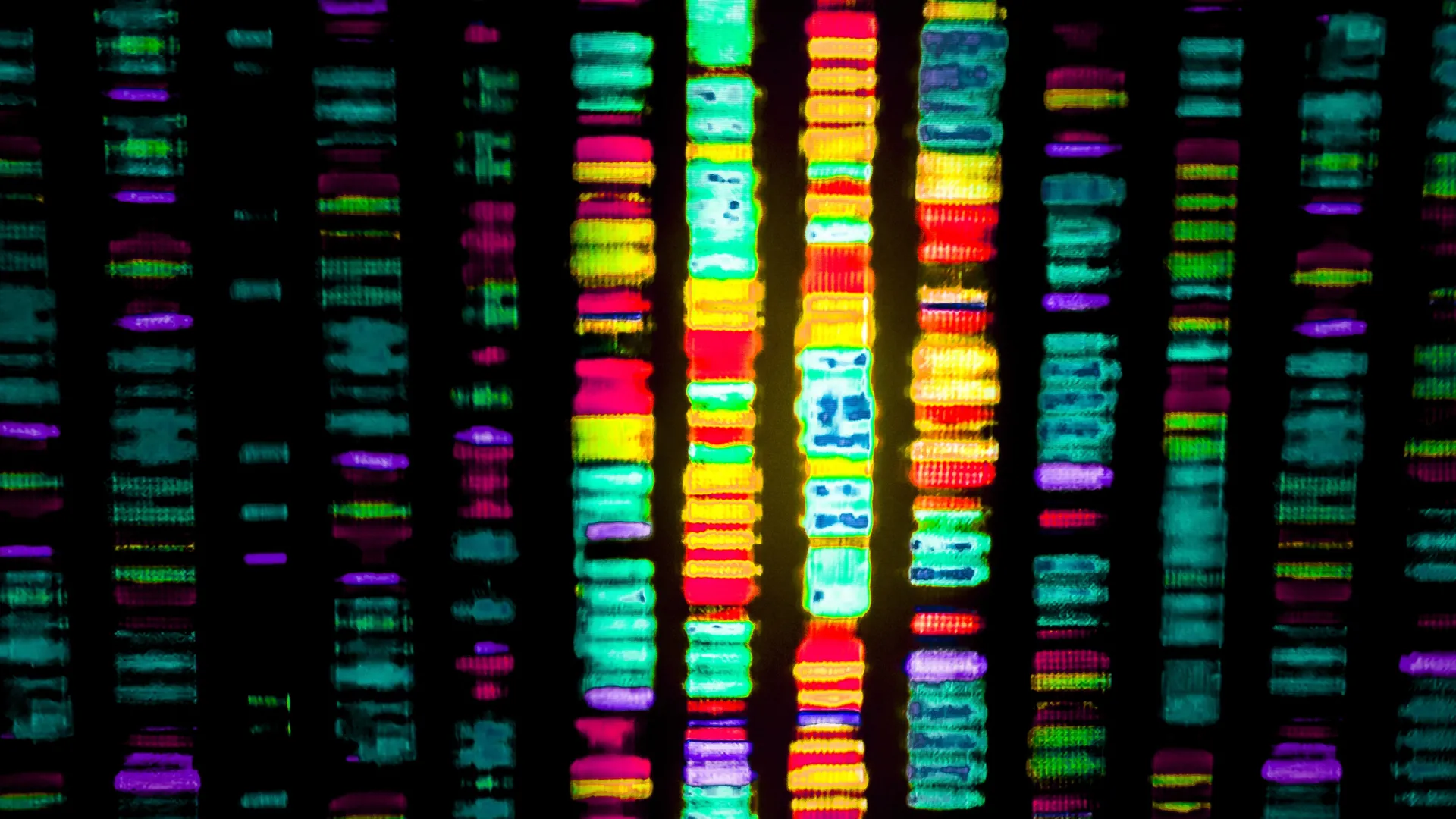
The vast expanse of our genetic blueprint, long relegated to the shadows of scientific inquiry and often dismissed as mere "junk DNA," is now emerging as a critical frontier in understanding complex neurological disorders, most notably Alzheimer’s disease. While the human genome is famously composed of approximately 20,000 protein-coding genes, these constitute a surprisingly small fraction, accounting for only about 2% of the total DNA. The remaining 98%, historically known as the non-coding genome, plays an indispensable, albeit complex, role in orchestrating cellular life, acting as the intricate control panel that dictates when, where, and how strongly our genes are expressed. New research spearheaded by scientists at UNSW Sydney has illuminated a significant segment of this enigmatic territory, identifying specific DNA sequences that regulate astrocytes, a type of brain cell intrinsically linked to the progression of Alzheimer’s.
Astrocytes, often described as the supportive cast to neurons in the brain’s complex neural network, are increasingly recognized for their active participation in neurodegenerative processes. Their involvement in Alzheimer’s disease has been a subject of intense study, yet the precise molecular mechanisms governing their function and dysfunction have remained elusive. This groundbreaking study, published in the esteemed journal Nature Neuroscience on December 18th, delves into the regulatory elements that influence these crucial glial cells. The UNSW Sydney team, hailing from the School of Biotechnology & Biomolecular Sciences, meticulously investigated nearly a thousand candidate DNA sequences within laboratory-grown human astrocytes. These sequences, known as enhancers, are critical regulatory components that possess the remarkable ability to modulate gene activity. A defining characteristic of enhancers is their spatial flexibility; they can reside at considerable distances from the genes they influence, sometimes separated by hundreds of thousands of base pairs, posing a significant challenge to traditional investigative methods.
To overcome the inherent difficulties in pinpointing the function of these distant regulatory elements, the researchers deployed a sophisticated dual approach, combining CRISPR interference (CRISPRi) with single-cell RNA sequencing. CRISPRi is a powerful genome-editing technique that allows for the precise silencing of specific DNA segments without physically altering the DNA strand itself. This targeted inhibition enables scientists to observe the downstream effects of deactivating a particular regulatory element. Complementing this, single-cell RNA sequencing provides a high-resolution snapshot of gene activity within individual cells, revealing which genes are being transcribed and at what levels. The synergy of these technologies allowed the research team to conduct a large-scale, simultaneous assessment of the functional impact of nearly 1000 potential enhancers on gene expression within a single experimental framework.
"Our strategy involved utilizing CRISPRi to selectively deactivate candidate enhancers in astrocytes and then observing any subsequent changes in gene expression," explained Dr. Nicole Green, the lead author of the study. "If such a change occurred, it unequivocally identified a functional enhancer, allowing us to then determine the specific gene or genes it governs. This systematic process led us to confirm the functionality of approximately 150 of the initial thousand candidates. Significantly, a substantial proportion of these validated enhancers were found to regulate genes known to be implicated in the pathogenesis of Alzheimer’s disease." This critical narrowing of focus, from a thousand potential candidates to a confirmed set of about 150 functional switches, represents a significant advancement, substantially refining the search for genetic insights within the vast, previously opaque non-coding genome that are associated with Alzheimer’s. The implications of these findings extend beyond Alzheimer’s, as the researchers suggest that similar investigations across diverse brain cell types are imperative to fully map the functional enhancers scattered throughout the non-coding DNA landscape.
The broader significance of this research lies in its contribution to deciphering the role of the "in-between" DNA regions in a multitude of human ailments. Professor Irina Voineagu, who supervised the study, emphasized that the team’s findings offer an invaluable resource for interpreting results from a wide spectrum of genetic research endeavors. The catalog of DNA regions identified by the team serves as a crucial reference point, potentially illuminating genetic variations that have previously defied explanation. "When researchers endeavor to identify genetic alterations that underlie diseases such as hypertension, diabetes, and also psychiatric and neurodegenerative conditions like Alzheimer’s disease, they frequently encounter genetic anomalies situated not within the genes themselves, but in the intergenic regions," Professor Voineagu stated. Her team’s direct experimental validation of these intergenic stretches in human astrocytes has definitively demonstrated which enhancers exert control over pivotal brain genes. While acknowledging that therapeutic applications are not an immediate outcome, Professor Voineagu underscored the foundational importance of such work: "We are not discussing therapies at this juncture, but the development of effective treatments is contingent upon first understanding the underlying wiring diagram. This research provides precisely that – a more profound insight into the intricate circuitry of gene regulation within astrocytes."
The meticulous execution of nearly a thousand enhancer tests in a laboratory setting represented a considerable undertaking, marking what the researchers believe to be the first CRISPRi enhancer screen of this magnitude conducted in brain cells. The comprehensive dataset generated from this pioneering work is poised to accelerate future research by serving as a benchmark for training computational models. These models could potentially predict the functionality of suspected enhancers, thereby circumventing years of laborious experimental validation. "This dataset provides a robust foundation for computational biologists to assess the accuracy of their predictive models for enhancer function," Professor Voineagu observed. She further noted that this valuable resource has already been adopted by Google’s DeepMind team to evaluate their advanced deep learning model, AlphaGenome.
The prospect of targeting specific enhancers holds significant promise for the development of novel therapeutic strategies, particularly in the realm of gene therapy and precision medicine. Given that many enhancers exhibit cell-type specific activity, their targeted manipulation could offer a refined approach to modulating gene expression within astrocytes without adversely affecting other vital brain cell populations, such as neurons. "Although we are still a considerable distance from clinical implementation, and much research remains before these findings can be translated into treatments, there is a clear precedent for this type of intervention," Professor Voineagu pointed out. She referenced the recent approval of the first gene-editing drug for sickle cell anemia, a treatment that specifically targets a cell-type specific enhancer. Dr. Green echoed this sentiment, suggesting that the exploration of enhancer biology could become a cornerstone of precision medicine initiatives. "Our future focus is on delving deeper into identifying which specific enhancers can be harnessed to precisely control gene activation or repression within a single type of brain cell, with a high degree of accuracy and control," she concluded.
About the Author












