
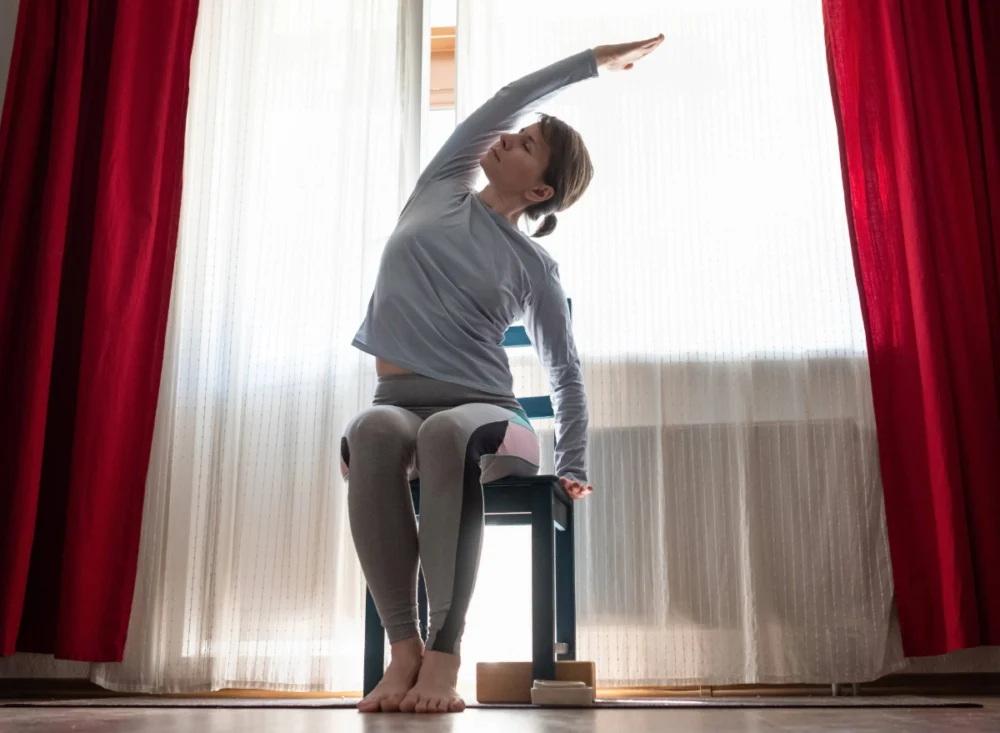
As individuals progress into their golden years, maintaining physical strength becomes a cornerstone of sustained independence and overall well-being. A common challenge faced by many over the age of 65 is sarcopenia, the progressive loss of muscle mass and strength associated with aging. This natural physiological shift can subtly, yet significantly, diminish the capacity to perform routine daily tasks that are often taken for granted, such as pushing oneself up from a seated position, lifting groceries, or even securely gripping household items. While traditional resistance training is widely recognized for its benefits in mitigating muscle atrophy, enhancing bone density, and improving balance across all age groups, it can present specific hurdles for older adults. For some, the prospect of lifting weights might be intimidating, pose risks of injury due to balance issues, or exacerbate existing joint discomfort. However, a highly effective and accessible alternative exists in the form of chair-based exercises, offering a practical pathway to reinvigorate arm strength and empower seniors to lead more active and self-sufficient lives.
The importance of preserving muscle mass and functional strength in later life cannot be overstated. Strong arms and shoulders are integral to a myriad of daily activities, from reaching for items on a shelf to carrying laundry baskets or opening stubborn jars. The ability to execute these actions confidently contributes profoundly to an individual’s sense of autonomy and quality of life. Without adequate upper body strength, simple tasks can become strenuous, frustrating, or even dangerous, increasing reliance on others and potentially leading to a more sedentary lifestyle, which in turn accelerates muscle decline. Therefore, proactively engaging in strength-building routines is not merely about physical prowess but about safeguarding independence and promoting healthy aging.
While traditional weightlifting certainly holds its merits, it is understandable that some seniors might seek alternative approaches. Concerns about falling, the potential for strain on arthritic joints, or simply a lack of familiarity with gym equipment can deter participation. This is where the innovative application of seated exercises offers a compelling solution. These routines leverage the body’s own weight and the stable support of a chair to engage key muscle groups in the arms, chest, and shoulders, delivering substantial strength benefits without the perceived risks or physical demands of standing exercises or heavy weights.
According to Karen Ann Canham, CEO and founder of Karen Ann Wellness, chair-based regimens can be particularly potent in restoring upper body strength for individuals over 65. She emphasizes that the inherent stability provided by a chair dramatically reduces the fear of falling or the likelihood of joint strain. This supportive environment enables older adults to fully activate their muscles without the need for compensatory bracing, which can often limit true muscular effort. When the body feels secure and supported, the nervous system allows for a greater, more concentrated exertion. Furthermore, chair exercises inherently promote controlled, deliberate movements, which are crucial for improving muscle activation, refining coordination, and fostering a deeper mind-muscle connection. This accessibility makes consistent daily practice far more achievable, and it is this regularity of effort, rather than merely the intensity of heavy loads, that ultimately drives significant strength gains.
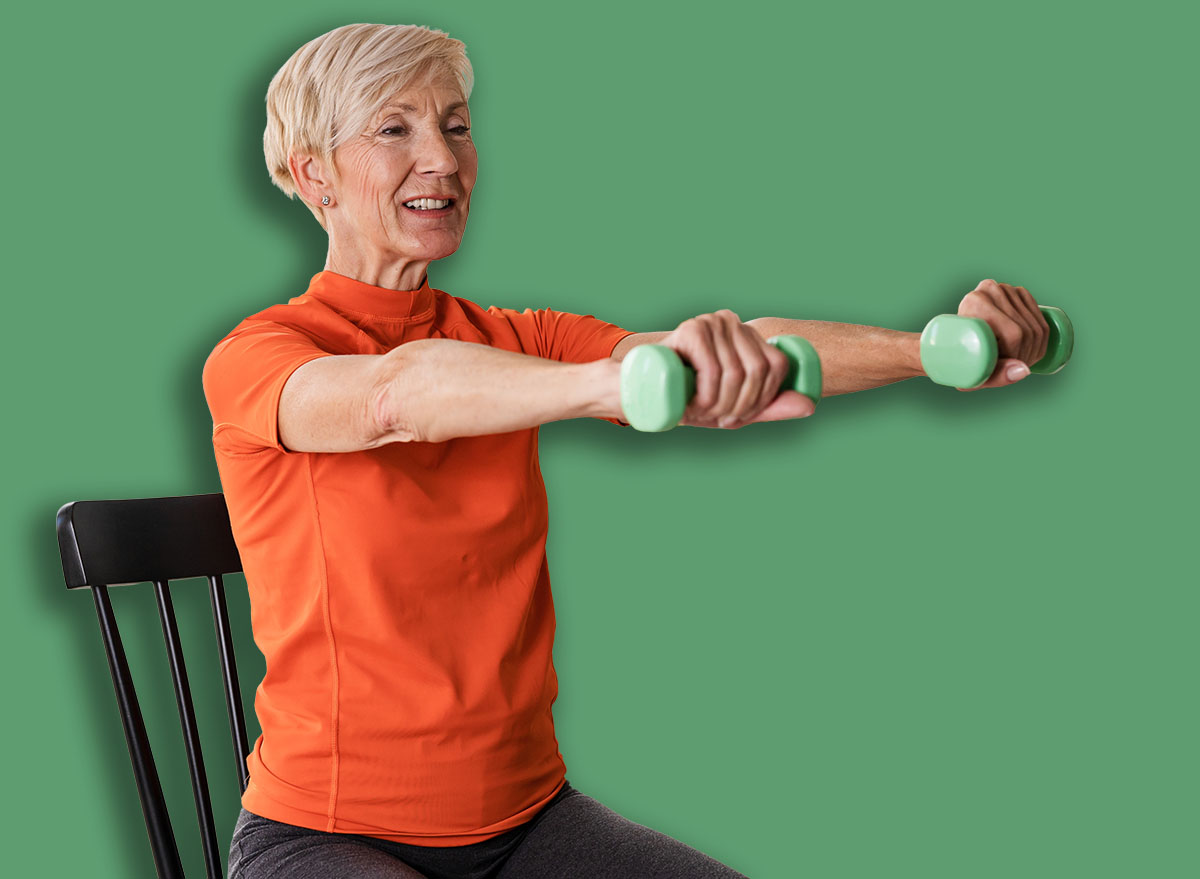
The underlying principle behind the efficacy of seated exercises for seniors is rooted in functional strength—the ability to perform everyday tasks with ease and confidence. Unlike isolated muscle training often seen in traditional weightlifting, many chair exercises mimic or directly support movements essential for daily living. This focus ensures that the strength gained translates directly into practical benefits, improving the ease with which one can manage personal care, household chores, and social activities. The low-impact nature also makes these exercises suitable for individuals recovering from injuries or managing chronic conditions, broadening the demographic that can safely participate and benefit.
Karen Ann Canham advocates for a focused series of four chair exercises, emphasizing slow, controlled execution and brief rest periods between sets to maximize effectiveness. Each movement is designed to target major upper body muscle groups, enhancing both strength and mobility.
1. Seated Pushups:
This exercise is a remarkable way to build foundational strength in the triceps, shoulders, and chest using the body’s own resistance against the chair. It directly improves the power needed to push oneself up from a seated position, a crucial aspect of mobility and independence.
- Execution: Begin by sitting towards the front edge of a sturdy chair, with feet flat on the floor and knees bent at a 90-degree angle. Place your hands firmly on the chair seat beside your hips, fingers pointing forward. Engage your core and gently lean forward slightly. Using your arm muscles, push down into the chair and lift your buttocks a few inches off the seat, holding briefly at the top. Slowly and with control, lower yourself back down to the starting position.
- Sets and Reps: Canham recommends two sets of eight repetitions.
- Benefits: Strengthens the muscles responsible for pushing movements, essential for standing up, opening doors, and moving objects.
2. Seated Overhead Arm Press (No Weights):
This exercise focuses on developing robust shoulder strength and improving the range of motion in the upper body, all without external weights, making it gentle on joints.
- Execution: Sit tall in your chair, ensuring your back is straight and supported. Start with your elbows bent, hands positioned near your shoulders, palms facing forward, as if holding imaginary weights. Exhale as you slowly extend your arms upwards, pressing them directly overhead until they are nearly straight, but without locking the elbows. Inhale as you gently lower your arms back to the starting position with controlled movement.
- Sets and Reps: Perform two sets of ten repetitions.
- Benefits: Enhances shoulder mobility and strength, which is vital for reaching overhead, lifting light objects, and improving overall posture.
3. Seated Arm Pulls (Rowing Motion):
This exercise effectively targets the muscles of the upper back and biceps, playing a significant role in improving posture and counteracting the common tendency for rounded shoulders.
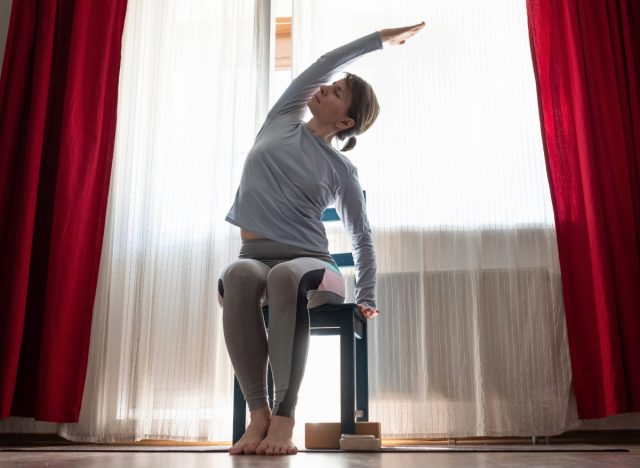
- Execution: Sit upright with good posture, feet flat on the floor. Extend your arms forward at shoulder height, palms facing each other. Imagine you are pulling a resistance band or rowing. As you exhale, pull your elbows back towards your torso, squeezing your shoulder blades together. Keep your elbows close to your body and your shoulders relaxed, not shrugging. Inhale as you slowly extend your arms back to the starting position.
- Sets and Reps: Aim for two sets of twelve repetitions.
- Benefits: Activates the upper back muscles, improving spinal alignment, combating kyphosis (rounded upper back), and enhancing the ability to pull objects.
4. Seated Arm Circles:
This dynamic movement is excellent for building endurance in the shoulder girdle and enhancing stability in the shoulder joints, which are crucial for fluid arm movements.
- Execution: Sit comfortably in your chair with a straight back. Extend your arms out to your sides at shoulder height, palms facing down. Begin by making small, controlled circles forward with your arms, gradually increasing the size of the circles as comfort allows. Maintain a smooth, steady pace. After completing the desired number of repetitions, reverse the direction, making backward circles. Ensure your movements are deliberate and controlled, not jerky. You can lean slightly against a wall or the chair back for added support if needed.
- Sets and Reps: Complete two sets of fifteen repetitions in each direction (forward and backward).
- Benefits: Improves shoulder mobility, strengthens the rotator cuff muscles, increases blood flow, and enhances overall arm endurance.
Integrating these chair-based exercises into a daily or near-daily routine can yield remarkable improvements in upper body strength and overall functional capacity for seniors. Consistency is paramount; even short, regular sessions are more effective than sporadic, intense workouts. It is always advisable for individuals to consult with a healthcare professional or a certified fitness expert before embarking on any new exercise program, particularly those with pre-existing health conditions, to ensure the routine is appropriate for their specific needs and capabilities.
In conclusion, maintaining robust upper body strength is a critical component of healthy aging, directly impacting an individual’s ability to live independently and engage fully in life. While traditional weight training offers significant benefits, chair-based exercises provide a uniquely accessible, safe, and highly effective alternative for individuals over 65. By focusing on stability, controlled movements, and consistent practice, these four foundational exercises empower seniors to reclaim their upper body vitality, fostering greater confidence, mobility, and an enhanced quality of life for years to come.
About the Author










