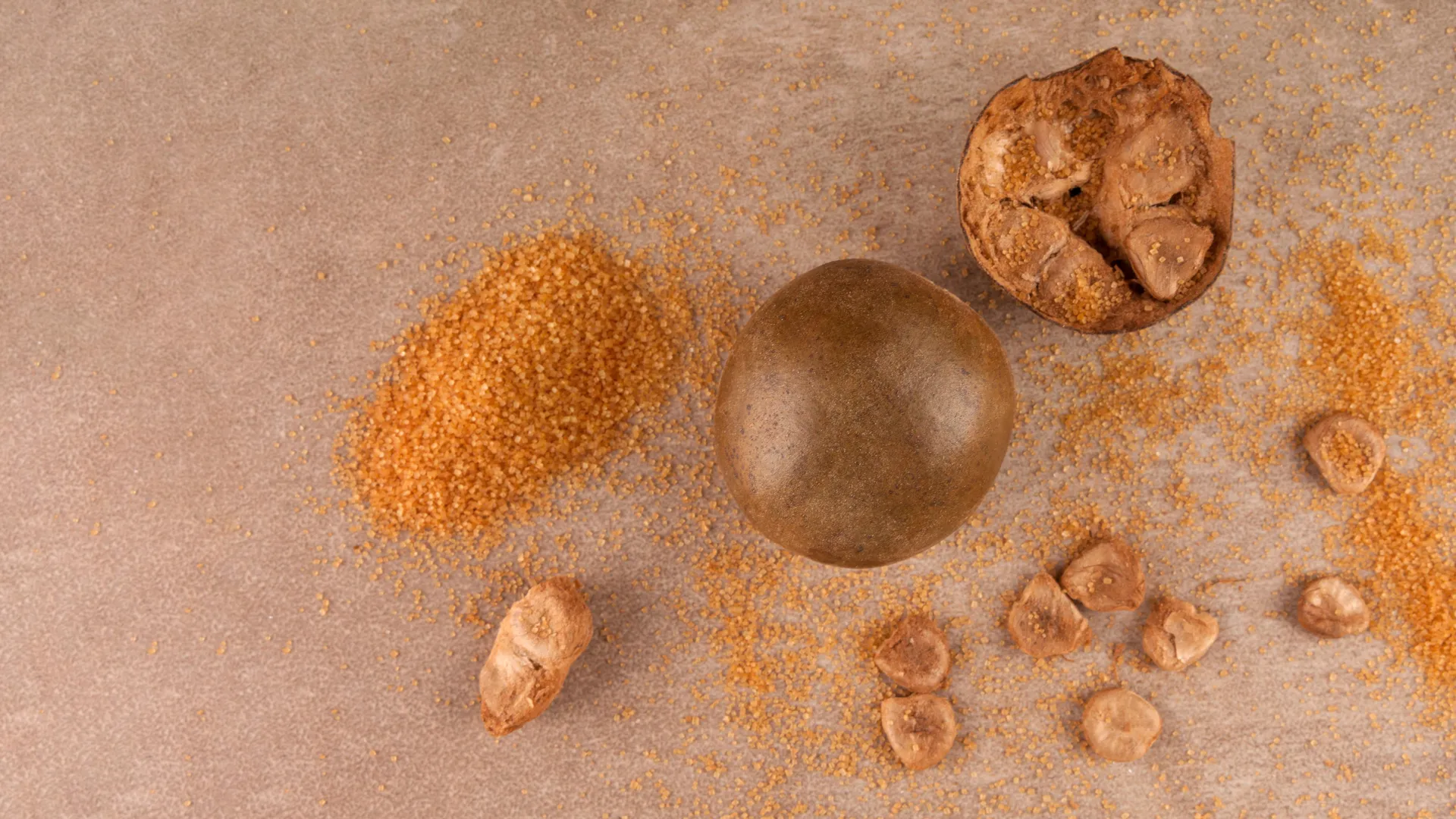
Often celebrated as a calorie-free natural sweetener, the venerable monk fruit, scientifically known as Siraitia grosvenorii, is increasingly captivating the attention of the scientific community for attributes extending far beyond its pleasant taste. This perennial vining plant, a member of the Cucurbitaceae family — which also includes common gourds like cucumbers and squash — boasts a heritage deeply embedded in the traditional practices of southern China. For centuries, its extract has been prized not only for culinary applications but also for its perceived medicinal properties within indigenous remedies. Modern scientific exploration is now systematically dissecting these traditional claims, revealing a complex array of biologically active compounds that position monk fruit as a potentially significant contributor to human health, distinct from its role as a mere sugar substitute.
Recent groundbreaking investigations, particularly those detailed in the Journal of the Science of Food and Agriculture, are providing an unprecedented resolution into the molecular architecture of Siraitia grosvenorii. Researchers are moving past a superficial understanding to meticulously map the precise chemical constituents responsible for the fruit’s observed biological activity. This detailed phytochemical analysis is critical, as it provides a foundation for understanding the mechanisms through which monk fruit might exert its beneficial effects within the human body. The focus of these studies zeroes in on specific classes of natural plant compounds, collectively known as secondary metabolites, which are not directly involved in the plant’s primary growth processes but play crucial roles in its interaction with its environment and, notably, with human physiology.
Central to these new findings is the identification and characterization of three major categories of these secondary metabolites: terpenoids, flavonoids, and amino acids. While these compounds are widespread across the plant kingdom, their specific profiles and concentrations within monk fruit are proving to be particularly intriguing. Terpenoids, a vast and structurally diverse class of organic compounds, are recognized for their potent antioxidant and anti-inflammatory capabilities. These molecules are the building blocks for many essential oils, resins, and steroids found in nature, and in humans, they have been linked to a variety of protective effects, including cellular defense against oxidative stress and modulation of inflammatory responses. The presence of a rich terpenoid profile in monk fruit suggests a significant capacity to contribute to these vital biological processes.
Flavonoids represent another extensive group of plant-derived compounds that are ubiquitous in human diets, found in fruits, vegetables, grains, bark, roots, stems, and flowers. These polyphenolic compounds are renowned for their robust antioxidant properties, primarily their ability to scavenge free radicals – unstable molecules that can inflict damage upon cells, DNA, and proteins, thereby accelerating aging and contributing to the development of chronic illnesses such as cardiovascular disease and certain neurodegenerative conditions. Beyond their direct antioxidant action, flavonoids in monk fruit are also implicated in supporting cardiovascular health through various mechanisms, including improving endothelial function, modulating lipid metabolism, and influencing blood pressure regulation. Their role in metabolic health is also a burgeoning area of research, with implications for conditions like type 2 diabetes.
Furthermore, the research highlights the presence of various amino acids within monk fruit. While often recognized as the fundamental building blocks of proteins, amino acids are far more versatile. They participate in an immense array of physiological processes, including enzymatic reactions, neurotransmitter synthesis, immune system modulation, and the repair and maintenance of tissues. The specific spectrum and balance of amino acids present in monk fruit could contribute to its overall nutritional value and potentially influence a broad range of bodily functions, from bolstering immune defenses to supporting cellular repair mechanisms. This multifaceted composition underscores the fruit’s potential as a holistic dietary component rather than a single-purpose ingredient.
A particularly insightful aspect of the recent investigations involves a comparative analysis of different parts of the monk fruit, specifically the peel and the pulp, across four distinct varieties. This methodological approach is crucial for understanding the distribution and concentration of these bioactive compounds within the fruit. Often, the peel of fruits, exposed directly to environmental stressors, accumulates a higher density of protective secondary metabolites compared to the internal pulp. Pinpointing where these compounds are most concentrated provides invaluable information for optimizing extraction methods and tailoring the use of different fruit fractions for specific applications, whether in food production, dietary supplements, or pharmaceuticals. The biological behavior of these compounds, once extracted, also varies depending on their source and purity, adding another layer of complexity and opportunity for researchers.
The intricate dance between these plant compounds and human biology is further elucidated by studying their interactions with cellular receptors and other biological targets. Receptors are specialized protein structures embedded within cell membranes or located inside cells that act as docking stations for specific chemical signals. When a compound, such as a terpenoid or flavonoid from monk fruit, binds to a corresponding receptor, it initiates a cascade of biochemical events within the cell, triggering specific responses. These interactions can influence crucial biological pathways, which are essentially step-by-step molecular processes that govern various bodily functions. For instance, the compounds in monk fruit might modulate pathways involved in inflammation, thereby dampening excessive inflammatory responses, or influence metabolic pathways that regulate energy utilization and storage. They could also activate cellular protection pathways, enhancing the cell’s inherent ability to defend itself against damage.
Understanding these complex biological pathways is paramount to deciphering why monk fruit might possess health-promoting properties that extend beyond its well-known role as a natural sweetener. The ability of its compounds to interact with specific cellular targets suggests a sophisticated level of biological activity, potentially offering therapeutic benefits that are only just beginning to be fully appreciated. This goes beyond simple antioxidant effects, hinting at a more nuanced influence on cellular signaling and gene expression.
Another critical dimension of the research emphasizes the inherent variability among different monk fruit varieties. The scientific team underscored that not all monk fruit is chemically identical; genetic differences among cultivars lead to distinct metabolic profiles. As the study authors articulated, "it is crucial to conduct an in-depth investigation on the high-resolution metabolic profiles of different Luo Han Guo varieties, providing valuable insights into the nutritional and health characteristics as well as the manufacturing suitability of the various resources available from this plant." This statement highlights the necessity for meticulous characterization of each variety, as different genetic strains may produce varying levels and combinations of active compounds.
This detailed chemical mapping, often referred to as metabolomics, is indispensable for the burgeoning natural products industry. By understanding which varieties are richest in specific beneficial compounds, scientists and manufacturers can make informed decisions about cultivation practices, selective breeding programs, and the most suitable applications for each type. For instance, one variety might be optimally suited for its high concentration of a particular anti-inflammatory terpenoid, making it ideal for a targeted supplement, while another might be prized for its balanced profile of antioxidants for general wellness products. This level of specificity ensures that the full potential of monk fruit’s diverse natural makeup can be harnessed efficiently and effectively.
In conclusion, Siraitia grosvenorii is rapidly transitioning from a traditional remedy and modern sweetener to a subject of intense scientific scrutiny, revealing a rich tapestry of bioactive compounds. This perennial vine, native to the verdant landscapes of China, offers far more than its celebrated zero-calorie sweetness. The presence of a broad spectrum of plant metabolites, including potent terpenoids and flavonoids, alongside essential amino acids, signifies a complex interaction with vital biological systems within the human body. As researchers continue to meticulously unravel its intricate chemistry and biological mechanisms, monk fruit is unequivocally emerging as a powerhouse of nutritional and potential therapeutic benefits, rooted deeply in its unique natural composition. This ongoing scientific journey promises to redefine our understanding of this humble fruit, positioning it as a significant player in the pursuit of natural health and wellness.
About the Author