
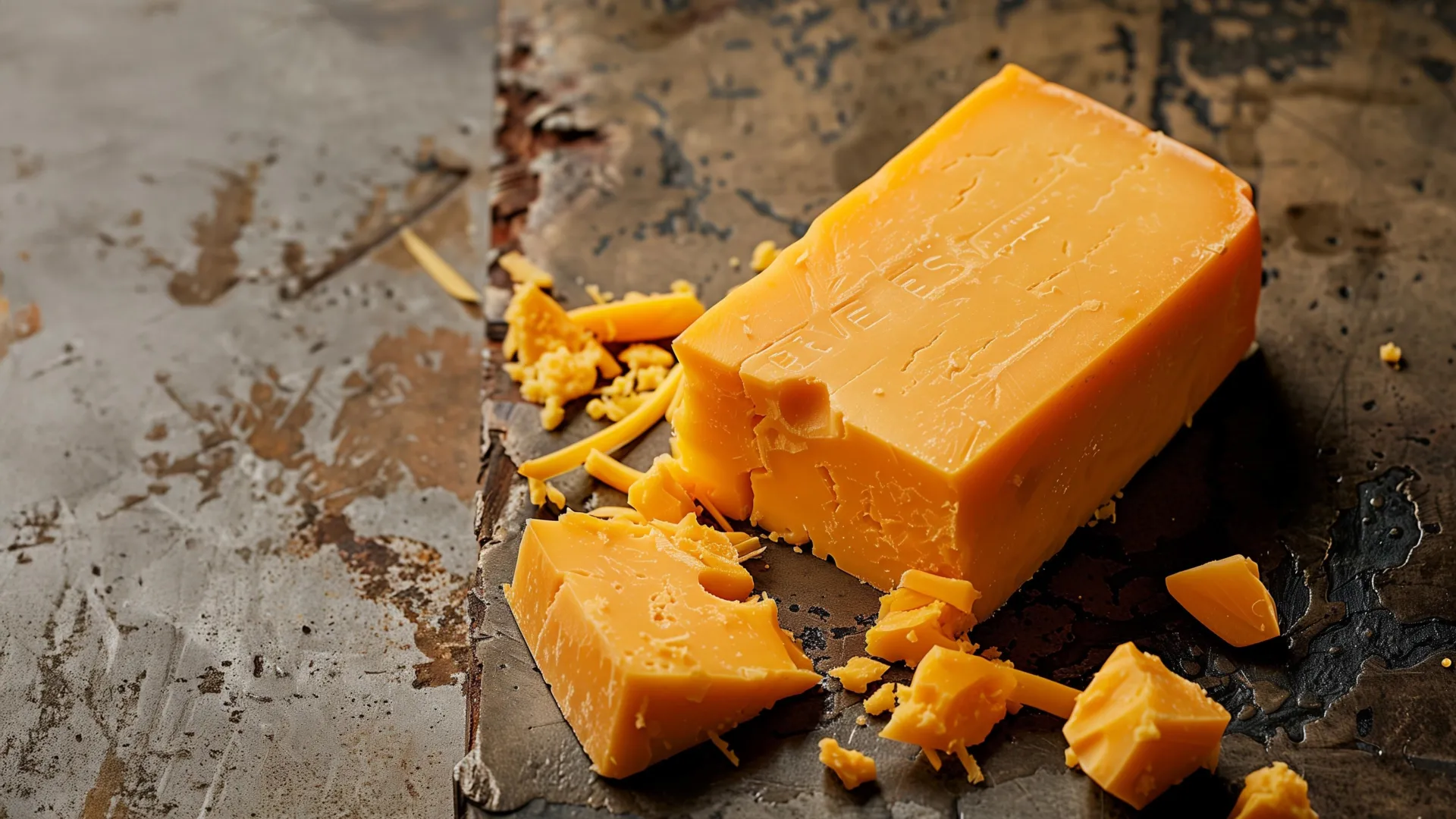
A comprehensive longitudinal investigation, recently published in the esteemed journal Neurology, the official publication of the American Academy of Neurology, has unveiled a compelling association between the consumption of certain full-fat dairy products and a diminished likelihood of developing dementia later in life. The study, conducted in Sweden and released on December 17, 2025, analyzed extensive dietary and health records from a large cohort of adults over a significant period, suggesting a potential protective effect of specific high-fat dairy items on cognitive health. While the findings highlight a statistical link, researchers emphasize that this observed correlation does not definitively establish a causal relationship, meaning it cannot be concluded that consuming these foods directly prevents dementia. Instead, the research points to an intriguing correlation that warrants further exploration into the complex interplay between diet and neurological well-being.
The scope of this research encompassed data from 27,670 individuals residing in Sweden, with participants averaging 58 years of age at the commencement of the study. These individuals were meticulously monitored for approximately 25 years, a timeframe during which a total of 3,208 participants received a diagnosis of dementia. To meticulously capture their dietary patterns, participants undertook the task of meticulously recording all food and beverages consumed over a seven-day period. Furthermore, they engaged in detailed discussions with researchers, providing information on the frequency of their consumption of specific foods in the years preceding the study and elaborating on their usual food preparation methodologies. This multifaceted approach to data collection aimed to provide a robust understanding of their habitual dietary intake.
Defining the specific dairy products under scrutiny, the study categorized high-fat cheeses as those containing a fat content exceeding 20%. This classification encompassed a variety of popular cheese varieties such as cheddar, Brie, and Gouda. Similarly, high-fat creams were defined as those with a fat composition typically ranging between 30% and 40%, including products like whipping cream, double cream, and clotted cream. These full-fat options are commonly identified in consumer markets as "full-fat" or "regular" selections, distinguishing them from their lower-fat counterparts.
Historically, dietary recommendations have often placed a significant emphasis on reducing fat intake, leading to a prevailing perception that high-fat foods, including cheese, should be consumed in moderation or avoided altogether. Dr. Emily Sonestedt, a researcher from Lund University in Sweden and a lead author on the study, commented on this long-standing dietary discourse, noting, "For decades, the debate over high-fat versus low-fat diets has shaped health advice, sometimes even categorizing cheese as an unhealthy food to limit." She further elaborated on the study’s implications, stating, "Our study found that some high-fat dairy products may actually lower the risk of dementia, challenging some long-held assumptions about fat and brain health." This sentiment underscores the study’s potential to recalibrate public understanding of the role of dietary fat, particularly from dairy sources, in cognitive health.
A focused analysis within the research examined the direct relationship between the daily intake of high-fat cheese and subsequent dementia diagnoses. Researchers established two primary comparison groups: individuals who consumed 50 grams or more of high-fat cheese daily, and those who consumed less than 15 grams per day. For context, 50 grams of cheese is roughly equivalent to two standard slices of cheddar or approximately half a cup of shredded cheese, translating to about 1.8 ounces. A typical single serving of cheese is generally considered to be one ounce.
Over the course of the study’s extensive follow-up period, it was observed that 10% of the participants who reported higher daily consumption of high-fat cheese eventually developed dementia. In contrast, this figure rose to 13% among those who consumed significantly less of these products. After meticulously adjusting for a range of confounding factors, including age, sex, educational attainment, and the overall quality of participants’ diets, the researchers identified a statistically significant association: higher cheese consumption was linked to a 13% reduction in the risk of developing dementia.
When the study delved into specific subtypes of dementia, the observed association proved to be particularly pronounced for vascular dementia. Individuals who incorporated more high-fat cheese into their daily diets exhibited a remarkable 29% lower risk of developing this particular form of cognitive impairment. Furthermore, the research team noted a discernible trend towards a lower risk of Alzheimer’s disease among participants with elevated high-fat cheese intake. However, this protective association with Alzheimer’s disease was exclusively observed in individuals who did not possess the APOE e4 gene variant, a known genetic predisposition that elevates the risk of developing Alzheimer’s.
Beyond cheese, the study also investigated the impact of high-fat cream consumption on dementia risk. The researchers compared individuals who consumed 20 grams or more of high-fat cream daily with those who reported consuming no high-fat cream at all. Twenty grams of high-fat cream is equivalent to approximately 1.4 tablespoons of heavy whipping cream, a quantity comparable to the recommended serving size of 1-2 tablespoons. Following similar statistical adjustments for health and lifestyle variables, the findings indicated that daily consumption of high-fat cream was associated with a 16% decreased risk of dementia when compared to individuals who abstained from its consumption.
A crucial aspect of the study involved differentiating the impact of various dairy products on cognitive health outcomes. The researchers found no discernible association between dementia risk and the consumption of low-fat cheese, low-fat cream, high-fat milk, low-fat milk, butter, or fermented milk products such as yogurt, kefir, and buttermilk. This finding suggests a nuanced relationship, where not all dairy items confer the same potential benefits or risks. As Dr. Sonestedt articulated, "These findings suggest that when it comes to brain health not all dairy is equal." She further elaborated, "While eating more high-fat cheese and cream was linked to a reduced risk of dementia, other dairy products and low-fat alternatives did not show the same effect. More research is needed to confirm our study results and further explore whether consuming certain high-fat dairy truly offers some level of protection for the brain."
Acknowledging the inherent limitations of the study, the researchers pointed out that the entire cohort was drawn from Sweden. This geographical specificity raises questions about the generalizability of the findings to populations in other countries, where dietary habits and food consumption patterns can differ significantly. Dr. Sonestedt specifically highlighted these regional variations, noting that in Sweden, cheese is frequently consumed in its uncooked state, whereas in countries like the United States, cheese is often incorporated into cooked dishes or consumed as an accompaniment to meat. Consequently, she underscored the importance of conducting similar research in diverse geographical settings, including the United States, to validate these findings and ascertain their broader applicability. The research was generously supported by grants from the Swedish Research Council, the Swedish Heart and Lung Foundation, the Crafoord Foundation, the Magnus Bergvall Foundation, and the Albert Påhlsson Foundation, underscoring the collaborative and well-funded nature of this significant scientific endeavor.
About the Author












