
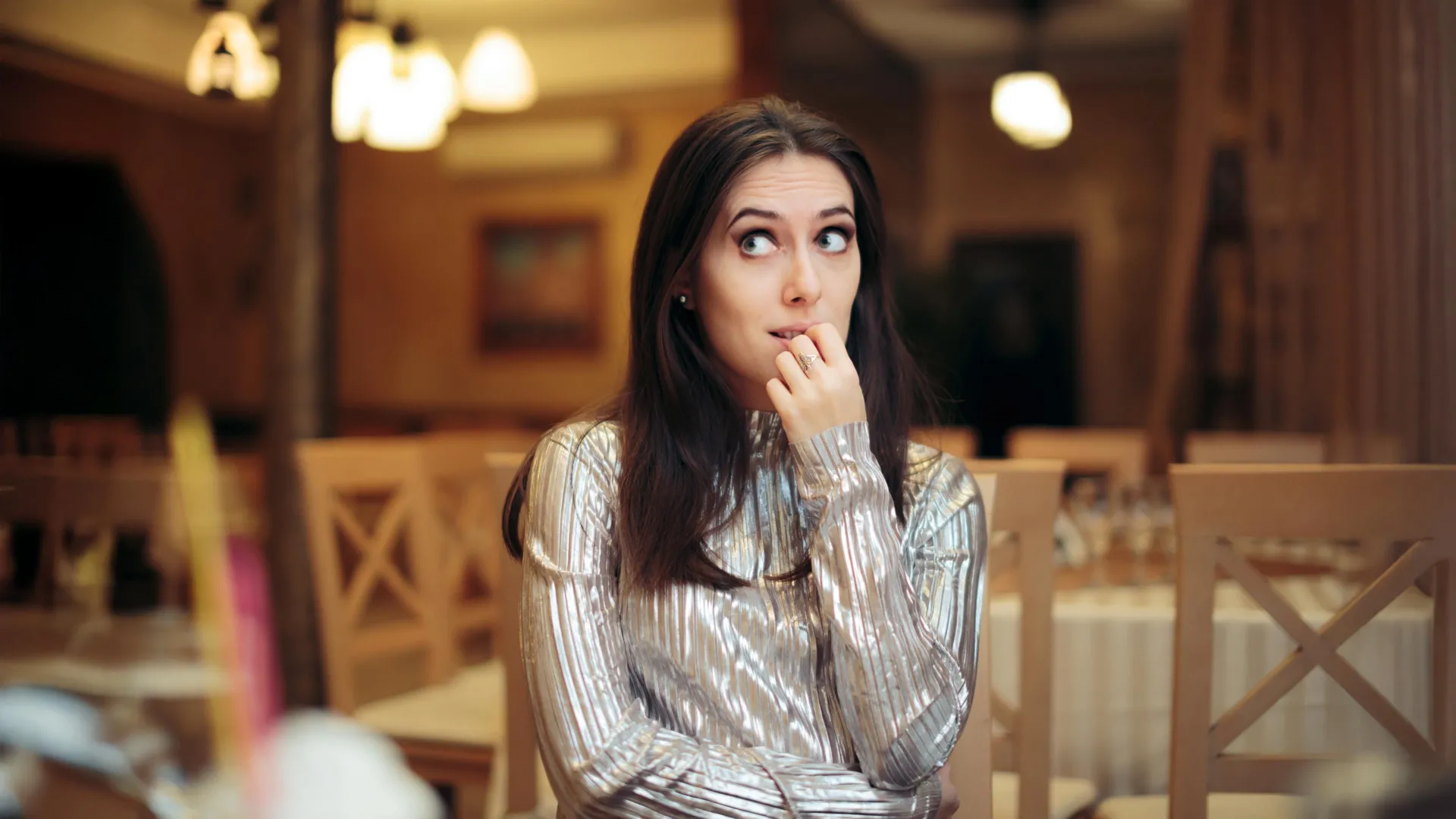
A groundbreaking investigation into the intricate dance of dining etiquette reveals a pervasive internal conflict that often amplifies social awkwardness at shared meals. Researchers have pinpointed a fundamental disconnect in how individuals perceive their own adherence to a common dinner norm – the practice of waiting to commence eating until all members of a group have been served – compared to their expectations of others. This widely observed, yet seldom articulated, social convention, when violated, can trigger disproportionate personal unease, according to a comprehensive study originating from Bayes Business School. The core finding suggests that individuals experience a significantly greater internal pressure to abide by this rule than they attribute to their dining companions.
The study, spearheaded by Professor Irene Scopelliti, an expert in Marketing and Behavioural Science, and Professor Janina Steinmetz, a Marketing specialist at Bayes, in collaboration with Dr. Anna Paley from the Tilburg School of Economics and Management, delved into the psychological chasm between self-perception and the presumed feelings of others in a shared dining context. Through a meticulously designed series of six distinct experimental scenarios, the research team sought to quantify and understand this prevalent "self-other gap."
In one set of experiments, participants were tasked with envisioning themselves in a hypothetical meal setting with a friend. Crucially, their imagined scenarios were varied: some participants pictured themselves receiving their meal before their companion, while others were placed in the position of waiting as their friend’s order arrived. Following these visualizations, individuals who had imagined being served first were asked to rate the intensity of their perceived obligation to delay their meal. Conversely, those who were still awaiting their food were prompted to articulate what they believed their dining partner ought to do in that moment. The data unequivocally demonstrated a pronounced divergence: those who envisioned themselves receiving their food prematurely felt a far more compelling internal imperative to wait than what they anticipated their companion would expect or deem necessary.
Further experimental phases were dedicated to dissecting the underlying reasons for this observed mismatch in expectations. Participants were presented with hypothetical situations where their imagined companion chose to either commence eating or continue waiting. They were then asked to assess how they themselves would feel in each of these scenarios, and critically, how they believed their companion would experience their own decision. The results indicated a consistent pattern: individuals predicted that they would experience greater personal satisfaction from waiting and more negative feelings about starting to eat if their food arrived first, in contrast to their estimations of how their companion would feel if placed in the identical circumstance. This suggests a tendency to project our own internal discomfort onto others, albeit with a magnified sense of its impact on ourselves.
The researchers also explored the efficacy of subtle interventions aimed at altering this ingrained behaviour. These prompts included encouraging participants to actively consider their companion’s perspective or explicitly informing them that their dining partner had signaled their consent to begin eating. Despite these nudges designed to alleviate perceived social pressure, a significant number of participants continued to report feelings of discomfort at the prospect of starting their meal before everyone else was served. This persistent internal friction, the researchers posit, offers a compelling explanation for why individuals so frequently extend invitations to their companions to "go ahead and eat," while simultaneously finding it difficult to initiate their own consumption under similar circumstances. The study’s findings also carry significant implications for the food service industry, strongly suggesting that establishments should actively strive to avoid operational setups that result in noticeably staggered service times for groups.
Professor Janina Steinmetz elaborated on the complexities of this social dynamic, characterizing the decision of when to initiate eating in the company of others as a profound and commonplace social dilemma. She explained that the established norm of deferring the commencement of a meal until all dishes have been presented before the entire group is deeply ingrained, and deviating from it often carries the subjective weight of appearing impolite or inconsiderate. Remarkably, this deeply felt aversion to perceived rudeness appears to be remarkably resilient, persisting even when another diner explicitly grants permission to start. This phenomenon, Professor Steinmetz suggests, stems from our inherent and direct access to our own internal emotional landscape – the palpable feelings of wanting to appear considerate or the aversion to experiencing social awkwardness – which stands in stark contrast to our limited capacity to truly grasp the subjective psychological experiences of others. She offered a crucial insight: "In these situations, we should be aware that we’re only waiting for our own benefit, and co-diners probably mind far less than we think if we wanted to go ahead and eat." Furthermore, she highlighted the potential gastronomic consequences, noting that while politeness might dictate waiting, the actual enjoyment of the meal can be compromised if factors like food temperature degrade the dining experience by the time one finally begins.
Professor Irene Scopelliti underscored that the implications of this research extend well beyond mere matters of politeness, delving into fundamental aspects of psychological perception. "This is not just about politeness: it’s about psychological access," she stated, emphasizing the inherent asymmetry in our understanding of our own internal states versus those of others. "We can feel our own internal discomfort, guilt, and the positive feelings from appearing considerate, but we can’t fully access what others are experiencing internally. So, while we might feel genuinely awful about eating before others get their food, we assume others won’t feel as strongly about it." The ramifications of this discovery, Professor Scopelliti noted, are far-reaching, impacting not only individual dining experiences but also a broad spectrum of service industries. She elaborated, "Providers often optimise for efficiency, without realising that some people experience genuine discomfort when they receive service before others in their group." Ultimately, she concluded, "The research shows how much we systematically underestimate others’ internal emotional experiences, which contributes to broader understanding of social norms and group dynamics." The comprehensive findings of this study, titled ‘Wait or Eat? Self other differences in a commonly held food norm,’ conducted by Dr. Anna Paley, Professor Irene Scopelliti, and Professor Janina Steinmetz, have been formally published in the esteemed journal Appetite.
About the Author












