
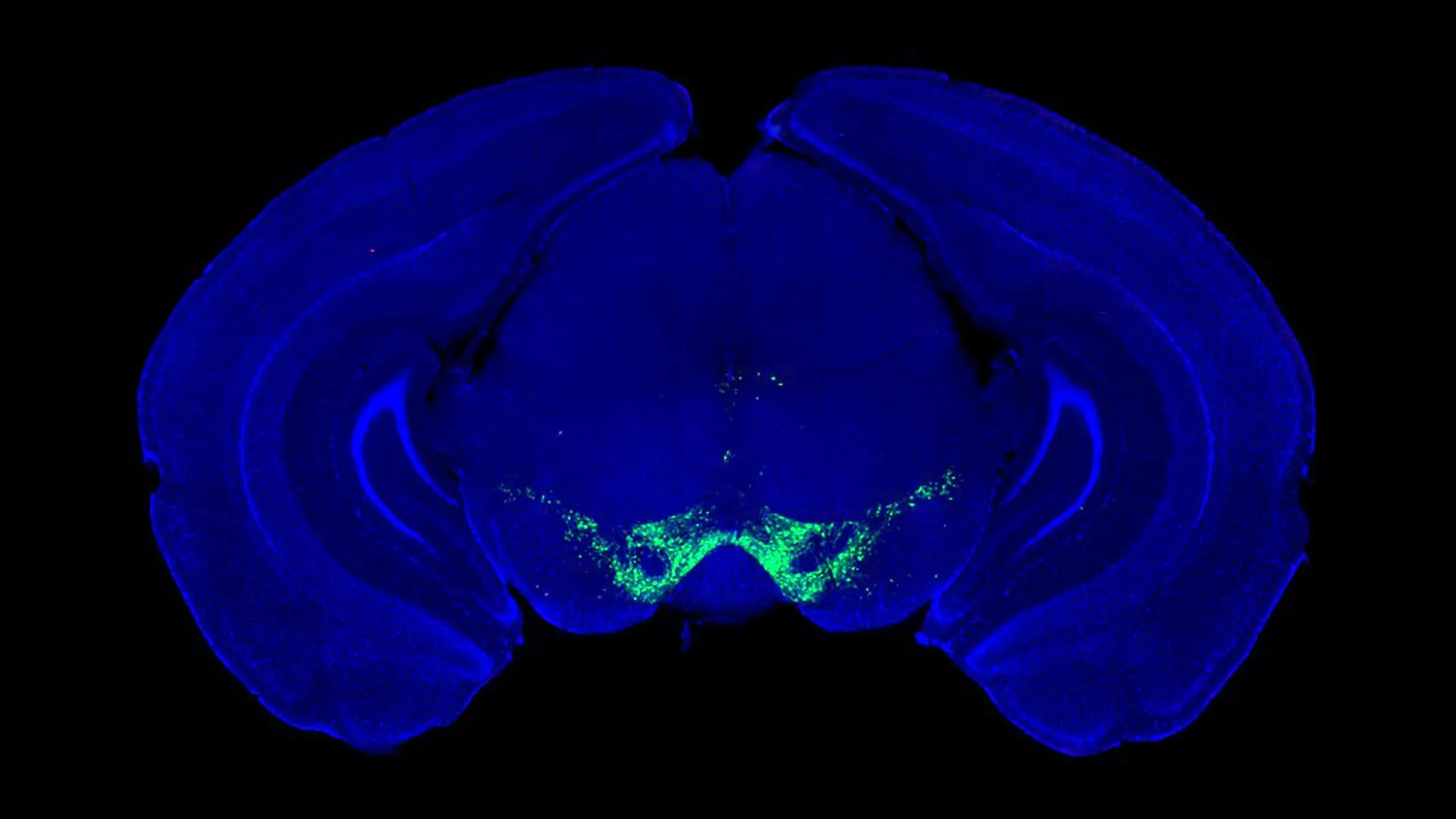
A groundbreaking investigation spearheaded by scientists at McGill University is prompting a significant reevaluation of the established understanding regarding dopamine’s intricate role in governing motor functions, potentially altering the scientific paradigm for Parkinson’s disease and its therapeutic interventions. The study’s revelations indicate a fundamental shift in how the scientific community perceives the mechanisms underlying Parkinson’s and the efficacy of its treatments.
Published in the esteemed journal Nature Neuroscience, this pioneering research challenges a deeply entrenched hypothesis suggesting that dopamine directly dictates the velocity and intensity of voluntary movements, a notion widely accepted by many experts in the field. Instead, the evidence points toward dopamine’s function as a crucial facilitator, establishing the foundational conditions necessary for movement to initiate and execute.
"Our findings compel us to revisit and refine our conceptualization of dopamine’s involvement in motor control," stated Nicolas Tritsch, the senior author of the study and an Assistant Professor in McGill’s Department of Psychiatry, also affiliated with the Douglas Research Centre. "The possibility that simply restoring dopamine to its normative range might suffice to ameliorate motor deficits could dramatically simplify our approach to managing Parkinson’s disease."
The central nervous system relies on dopamine for a multitude of functions, and its significance in motor vigor – the capacity to move with both speed and force – is particularly pronounced. In individuals afflicted with Parkinson’s disease, a progressive neurodegenerative condition, there is a gradual degeneration of the dopaminergic neurons responsible for dopamine production. This progressive depletion is directly linked to the characteristic motor symptoms observed in the disease, including bradykinesia (slowness of movement), tremors, and profound disturbances in postural stability and balance.
Levodopa, the cornerstone pharmacological intervention for Parkinson’s disease, operates by augmenting the availability of dopamine within the brain, thereby offering symptomatic relief for motor impairments. However, the precise molecular and neural mechanisms underpinning its remarkable effectiveness have remained a subject of considerable scientific inquiry. In recent years, advancements in neuroimaging technologies and brain-monitoring techniques have enabled the observation of transient, rapid increases in dopamine levels occurring concurrently with voluntary movements. These fleeting dopaminergic surges had led a significant portion of the research community to infer that dopamine acted as a direct modulator of movement kinematics, fine-tuning its speed and power on a moment-to-moment basis.
The present study critically interrogates and effectively debunks this prevailing assumption, proposing an alternative framework for understanding dopamine’s contribution to motor control.
The research posits that dopamine does not function as a real-time, granular controller dictating the precise parameters of movement. Rather, its role appears to be more foundational and preparatory, laying the groundwork for the motor system to operate effectively. To illustrate this concept, Tritsch offered an analogy: "Instead of acting like a throttle that precisely regulates the speed of a vehicle, dopamine seems to function more akin to engine oil. It is indispensable for the operational integrity of the system, but it is not the signal that determines the exact pace at which each individual action is performed."
To rigorously test this revised hypothesis, the research team employed a sophisticated experimental paradigm involving laboratory mice. These animals were trained to perform a lever-pressing task requiring a specific degree of force. Utilizing an advanced optogenetic technique, the researchers gained the ability to precisely control the activity of dopamine-producing neurons, effectively switching them "on" or "off" during the execution of the motor task.
The critical prediction derived from the prevailing theory was that if rapid dopamine bursts were indeed the direct drivers of motor vigor, then transiently altering dopamine levels at the precise moment of movement initiation or execution should have demonstrably impacted the speed and force with which the mice pressed the lever. However, the experimental results unequivocally demonstrated that modulating dopaminergic neuron activity during the ongoing motor action had no discernible effect on the velocity or power of the lever press. This finding strongly contradicted the notion of dopamine as a direct, on-demand regulator of movement vigor.
Further investigations delved into the mechanism of action of levodopa. The study’s findings revealed that the therapeutic benefits of levodopa in improving motor function were attributable to its capacity to elevate the overall basal levels of dopamine in the brain. It did not exert its effect by restoring or enhancing the transient, short-lived dopamine surges that were previously thought to be crucial for movement execution. This suggests that the restoration of a sufficient dopamine environment, rather than the precise timing of individual dopaminergic signals, is the key therapeutic principle.
The implications of this research for the future development of Parkinson’s disease treatments are substantial and far-reaching. With over 110,000 individuals in Canada currently diagnosed with Parkinson’s disease, and projections indicating a more than doubling of this figure by 2050 due to demographic shifts, the imperative for effective therapeutic strategies is immense.
According to the study’s authors, a more nuanced understanding of the precise mechanisms by which levodopa operates could pave the way for the design of novel therapeutic interventions. Future treatments might focus on strategies that ensure the maintenance of stable, adequate dopamine levels throughout the brain, rather than attempting to precisely mimic or restore the rapid, transient dopamine signals previously believed to be critical. This shift in focus could lead to more robust and sustained symptomatic relief.
Furthermore, these findings provide a compelling impetus for a re-examination of established, albeit sometimes sidelined, therapeutic approaches. For instance, dopamine receptor agonists, a class of drugs that have historically demonstrated therapeutic benefits in managing Parkinson’s symptoms, have often been associated with significant side effects. These adverse effects were frequently attributed to their broad impact across extensive brain regions. The new insights offered by this study could enable researchers to engineer next-generation therapies that exhibit greater specificity and precision, targeting dopamine pathways with enhanced accuracy and thereby minimizing off-target effects and improving the safety profile of treatments.
The research article detailing these pivotal findings is titled "Subsecond dopamine fluctuations do not specify the vigor of ongoing actions," authored by Haixin Liu and Nicolas Tritsch, among other collaborators. The study received vital financial support from the Canada First Research Excellence Fund, administered through the Healthy Brains, Healthy Lives initiative at McGill University, and the Fonds de Recherche du Québec. This collaborative funding underscores the significant national and institutional investment in advancing our understanding of neurological disorders.
About the Author












