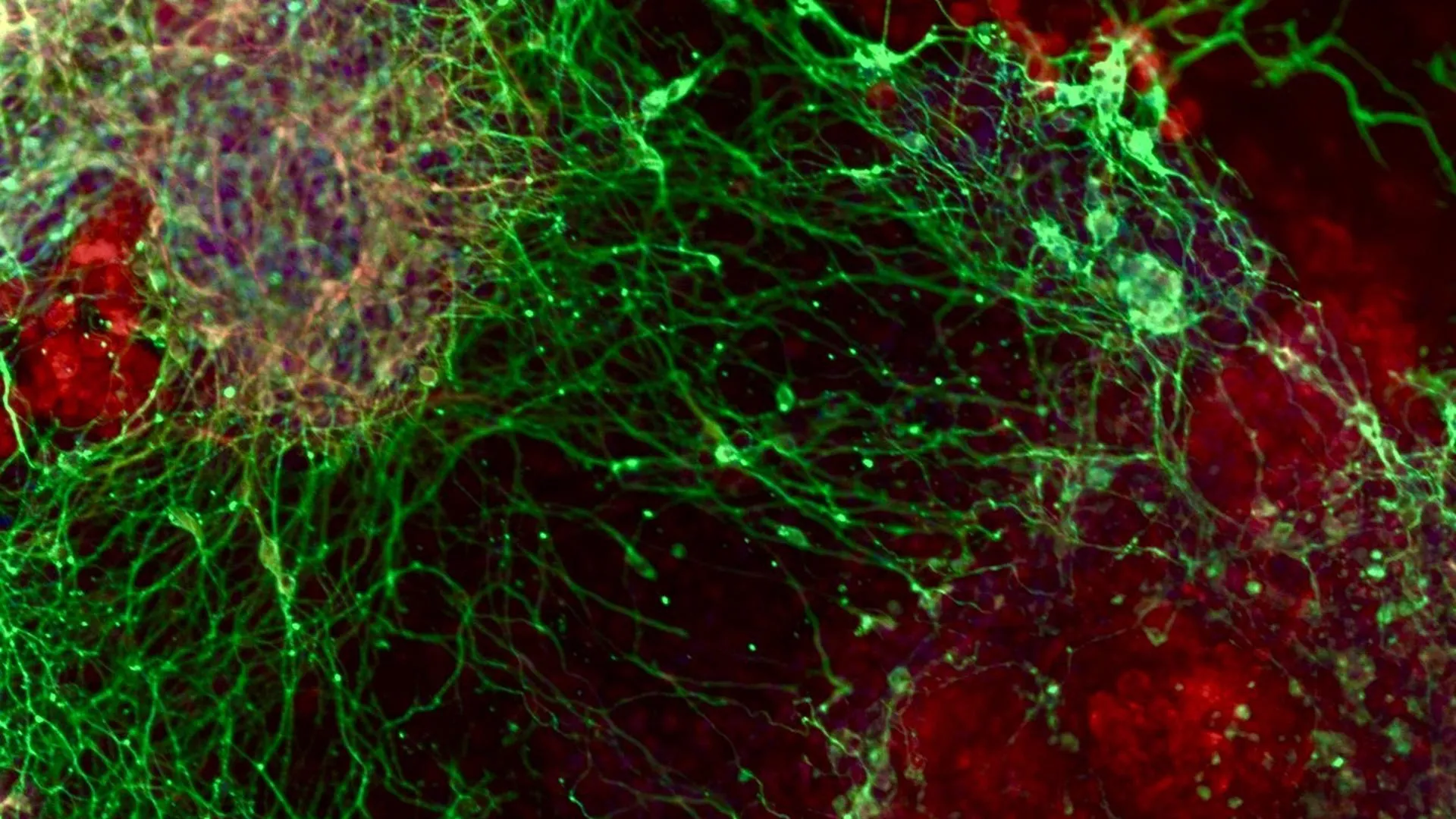
A groundbreaking international research initiative has systematically dissected the genetic architecture governing the nascent stages of brain cell development, illuminating the intricate molecular pathways that guide embryonic stem cells toward their specialized neuronal fates. This ambitious undertaking, detailed in the January 5th edition of the prestigious journal Nature Neuroscience, employed sophisticated CRISPR gene-editing technology to conduct an exhaustive interrogation of the genome, aiming to pinpoint the essential genetic players involved in the fundamental process of neurogenesis. Spearheaded by Professor Sagiv Shifman from The Institute of Life Sciences at The Hebrew University of Jerusalem, in close collaboration with Professor Binnaz Yalcin from INSERM in France, the study represents a significant leap forward in our understanding of how the complex human brain is constructed from its most basic cellular building blocks.
The fundamental question driving this extensive research was elegantly simple yet profoundly complex: what are the specific genetic instructions that dictate the transformation of undifferentiated embryonic stem cells into functional brain cells? To address this, the scientific team embarked on a monumental task, utilizing the precision of CRISPR-Cas9 gene editing to systematically deactivate approximately 20,000 individual genes within the genome. This meticulous approach allowed researchers to observe the direct consequences of each gene’s absence on the developmental trajectory of stem cells as they attempted to differentiate into neural cells. By observing the outcomes when each gene was individually silenced, scientists were able to establish a clear cause-and-effect relationship, thereby identifying those genes that are indispensable for the successful and orderly progression of neural differentiation.
This methodical, genome-wide screening process yielded a comprehensive catalog of genetic regulators crucial for early brain development, identifying a total of 331 genes that were found to be critically important for the production of neurons. What makes this discovery particularly noteworthy is that a substantial number of these identified genes had not previously been implicated in the intricate processes of early brain formation. The findings offer a wealth of new insights into the complex genetic landscape that influences neurodevelopmental conditions, potentially shedding light on the underlying causes of variations in brain size, the spectrum of autism, and various forms of developmental delay. This detailed genetic map serves as a foundational resource for future investigations into the molecular underpinnings of these critical developmental processes.
One of the most compelling outcomes of this extensive genetic screen was the identification of a previously unrecognized gene, designated PEDS1, which has now been linked to a novel neurodevelopmental disorder. This discovery highlights the power of systematic genetic investigation in uncovering the molecular basis of rare and complex human conditions. PEDS1’s crucial role lies in its involvement in the synthesis of plasmalogens, a specialized class of membrane phospholipids that are particularly abundant in myelin. Myelin is the vital fatty sheath that encases nerve fibers, facilitating rapid and efficient transmission of electrical signals throughout the nervous system. The CRISPR screen revealed not only PEDS1’s involvement in plasmalogen production but also its critical function in the formation of nerve cells themselves. The study observed that the absence of PEDS1 led to a significant reduction in brain size, suggesting a direct impact on overall brain growth and development.
Building upon these initial observations, the researchers hypothesized that a deficiency in PEDS1 could indeed impede normal human brain development. This hypothesis was rigorously tested and subsequently validated through genetic analysis of two unrelated families. In both instances, children presenting with severe developmental challenges were found to carry a rare mutation within the PEDS1 gene. These affected children exhibited significant developmental delays and a notably smaller brain size, mirroring the effects observed in the experimental models. This clinical correlation provided powerful evidence for the etiological role of PEDS1 mutations in a specific neurodevelopmental disorder.
To unequivocally confirm the causal relationship between PEDS1 deficiency and the observed developmental abnormalities, the research team proceeded with experimental interventions. They systematically disabled the PEDS1 gene in model systems to directly assess its impact on brain formation. These experiments conclusively demonstrated that PEDS1 is indeed essential for normal brain development. Without functional PEDS1, the study found that nerve cells fail to form or migrate correctly, crucial steps in establishing the intricate neural circuitry of the brain. These experimental findings provide a clear molecular explanation for the clinical manifestations observed in the children who carry mutations in PEDS1, thereby solidifying its role as a critical determinant of healthy neurodevelopment.
Professor Sagiv Shifman eloquently described the significance of their approach, stating, "By tracking the differentiation of embryonic stem cells into neural cells and systematically disrupting nearly all genes in the genome, we created a map of the genes essential for brain development. This map can help us better understand how the brain develops and identify genes linked to neurodevelopmental disorders that have yet to be discovered. Identifying PEDS1 as a genetic cause of developmental impairment in children, and clarifying its function, opens the door to improved diagnosis and genetic counseling for families, and may eventually support the development of targeted treatments." This statement underscores the dual impact of the research: advancing fundamental knowledge and paving the way for practical clinical applications.
Beyond the specific identification of PEDS1, the study also unveiled broader patterns that could significantly influence our ability to predict the inheritance of neurodevelopmental disorders. The research indicated that genes which regulate the activity of other genes, including those involved in transcription (the process of copying DNA into RNA) and chromatin regulation (the control of DNA packaging), are frequently associated with dominant disorders. In such cases, a defect in even a single copy of the gene is sufficient to manifest the disorder. This contrasts with conditions linked to metabolic genes, such as PEDS1, which are more commonly inherited in a recessive manner. Recessive disorders require mutations in both copies of a gene, typically with each parent carrying one altered copy without exhibiting symptoms themselves. Understanding these fundamental relationships between biological pathways and inheritance patterns could revolutionize how researchers and clinicians identify and prioritize genes implicated in various diseases.
Furthermore, the creation of an "essentiality map," which delineates the specific developmental stages at which particular genes are required, offered novel insights into the distinct genetic mechanisms underlying autism and developmental delay. The study found that genes crucial across multiple stages of development were more strongly correlated with general developmental delay. In contrast, genes that play a particularly vital role during the specific phase of nerve cell formation were more closely associated with autism spectrum disorder. These nuanced findings help to elucidate why diverse genetic disruptions can lead to overlapping clinical symptoms and provide compelling support for the hypothesis that early disruptions in brain development are a significant contributing factor to the etiology of autism.
In a commitment to fostering scientific progress and accelerating future discoveries, the research team has made their comprehensive dataset publicly accessible. They have launched an open online database containing the full results of their study, enabling researchers worldwide to explore and analyze this rich resource. This initiative, spearheaded by PhD student Alana Amelan, who was instrumental in conducting a substantial portion of the research and developing the database, reflects the team’s dedication to the global scientific community. "We wanted our findings to serve the entire scientific community, supporting ongoing work on the genes we identified and helping researchers pinpoint additional genes involved in neurodevelopmental disorders," Professor Shifman emphasized, highlighting the collaborative spirit of scientific advancement.
In summation, this seminal study provides an exceptionally detailed genetic roadmap of early nervous system development and offers profound insights into the molecular underpinnings of a newly identified brain disorder. The implications of these findings are far-reaching, promising to enhance the accuracy and efficiency of genetic diagnoses for a range of neurodevelopmental conditions. Moreover, this foundational work will undoubtedly guide future research efforts aimed at developing effective prevention strategies and novel therapeutic interventions for these complex disorders, ultimately contributing to improved outcomes for affected individuals and their families.
About the Author