Decoding Physical Resilience: The Lunge Test as a Comprehensive Fitness Metric for Adults Over 60
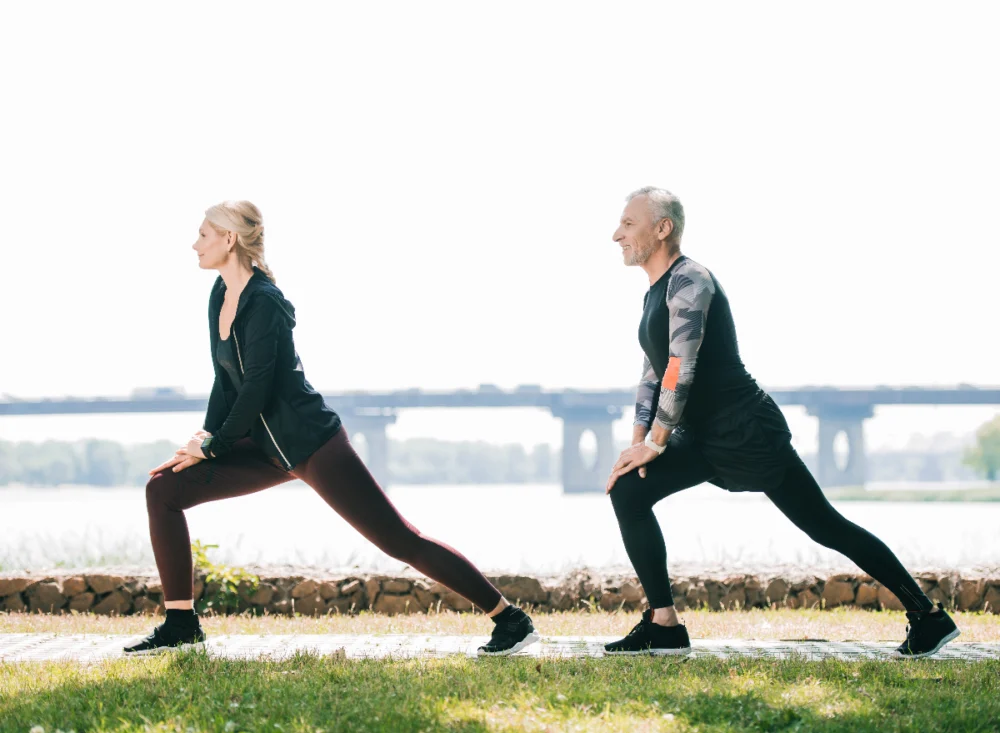
As global demographics shift towards an increasingly aging population, the discourse around healthy longevity gains paramount importance. Beyond merely extending lifespan, the focus is squarely on enhancing "healthspan" – the duration of life spent in good health, free from chronic disease and functional limitations. A critical component of achieving this objective is maintaining robust physical function, particularly the ability to perform everyday tasks with ease and independence. While many fitness assessments exist, some movements offer a uniquely insightful window into an individual’s overall physical vitality. Among these, the lunge stands out as an exceptionally revealing indicator of lower body strength, balance, coordination, and endurance, especially for individuals navigating their sixties and beyond.
The human body’s capacity for movement undergoes natural transformations with age. Muscle mass tends to diminish, a process known as sarcopenia, which can significantly impair strength and mobility. Concurrently, balance systems may become less efficient, joint flexibility can decrease, and cardiovascular endurance might wane. These changes collectively contribute to a higher risk of falls, reduced autonomy, and a general decline in the quality of daily life. Therefore, having a reliable method to gauge and track these crucial physical attributes is invaluable.
Unlike exercises that might isolate specific muscle groups or rely on external support, the lunge is a multi-faceted, compound movement that simultaneously taxes several key physiological systems. It inherently challenges unilateral leg strength, demanding that each leg independently support and propel the body. This contrasts sharply with bilateral movements like squats, where imbalances can often be compensated for by the stronger limb or through less-than-optimal form. Similarly, machine-based leg exercises, while effective for building strength, typically remove the essential element of balance and core stability required in real-world scenarios. The inherent instability of the lunge forces the body to engage its stabilizing muscles, refine coordination, and maintain an upright posture throughout the entire range of motion, making it a true test of functional fitness. When executed continuously, the lunge also becomes a powerful gauge of muscular and cardiovascular endurance, revealing how effectively the body can sustain effort under fatigue.
To truly understand an individual’s functional capacity, especially in later life, one must look beyond isolated strength metrics. The lunge test, specifically the continuous alternating forward lunge, provides a holistic assessment by integrating several critical components:
-
Leg Strength and Endurance: The primary movers in a lunge are the quadriceps, glutes, and hamstrings. Sustained repetitions demonstrate not just the initial power of these muscles, but their ability to resist fatigue over time. This endurance is crucial for activities like walking long distances, climbing multiple flights of stairs, or standing for extended periods.
-
Balance and Proprioception: Maintaining equilibrium during a lunge requires sophisticated input from the vestibular system (inner ear), visual system, and proprioceptors (sensors in muscles and joints that inform the brain about body position). Any deficit in these areas becomes immediately apparent as form falters or stability is lost. This dynamic balance is directly transferable to preventing falls and navigating uneven terrain in daily life.
-
Coordination: The synchronized movement of the hips, knees, and ankles, combined with upper body stability, demands precise neuromuscular coordination. The ability to smoothly transition between legs while maintaining controlled depth and alignment is a hallmark of efficient movement patterns.
-
Hip Mobility: Adequate hip flexion and extension are vital for achieving the full range of motion in a lunge without placing undue stress on the knees or lower back. Restricted hip mobility can limit depth, compromise form, and indicate potential issues that could affect gait and overall lower body function.
-
Cardiovascular Control: Performing lunges continuously elevates the heart rate and respiratory demand. The capacity to sustain this effort without becoming excessively breathless or experiencing a rapid decline in form speaks volumes about an individual’s cardiovascular fitness and their body’s efficiency in delivering oxygen to working muscles.
-
Joint Resilience and Confidence: For older adults, joint health is a significant consideration. The lunge test assesses the integrity of knee and hip joints under load and through a range of motion. More importantly, it can reveal an individual’s confidence in their joints – a psychological component often overlooked. Fear of pain or instability can severely limit movement, regardless of actual physical capability. Successfully completing numerous lunges without hesitation demonstrates both physical robustness and mental assurance in one’s body.
Administering the Lunge Test Properly
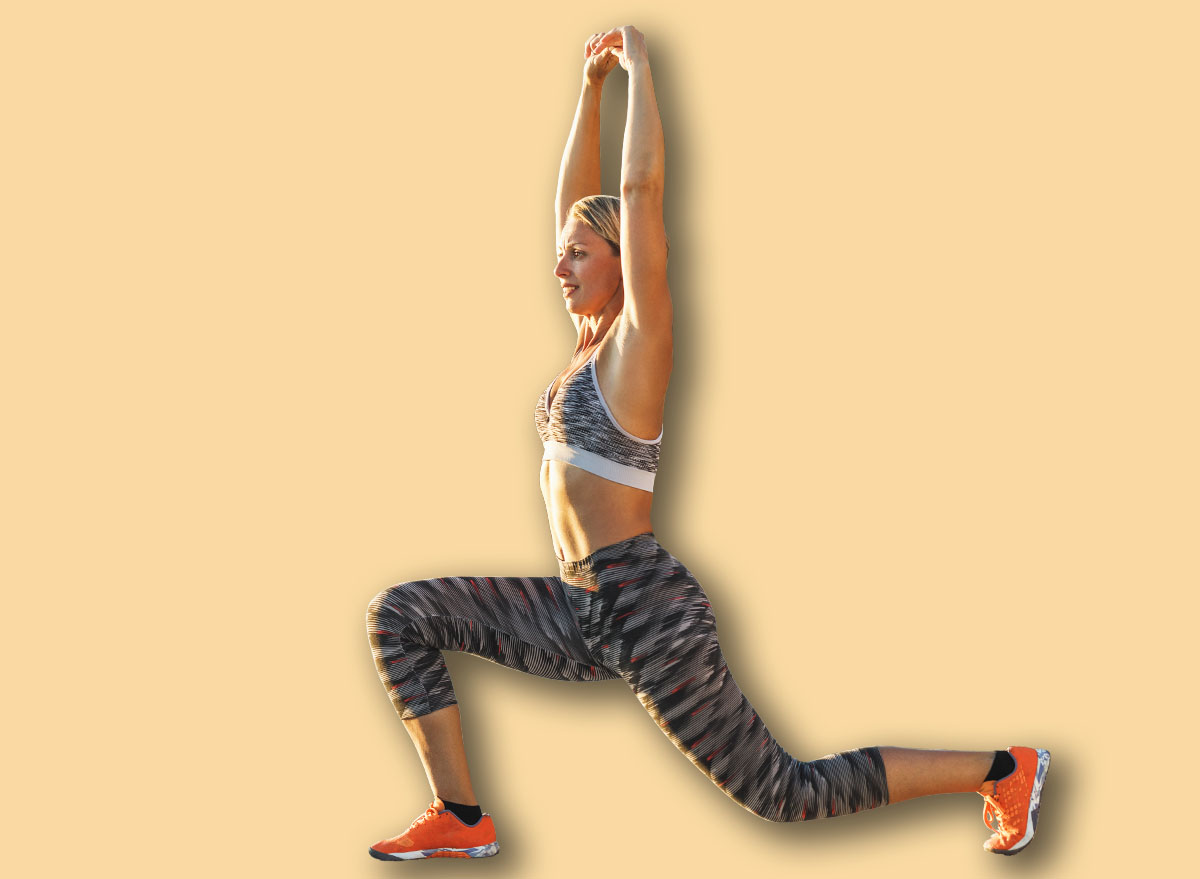
For an accurate assessment, the test should involve continuous alternating forward lunges, executed with deliberate control and no intervening rest periods. The focus must be on smooth, steady repetitions rather than speed. Participants step forward with one leg, lowering their hips until both knees are bent at approximately a 90-degree angle, with the front knee directly over the ankle and the back knee hovering just above the ground. They then push off the front foot to return to the starting position and immediately repeat the movement with the opposite leg. The total number of successful repetitions, counting each lunge (i.e., left leg forward then right leg forward counts as two reps), is recorded. Crucially, proper form must be maintained throughout; any compromise in posture, balance, or depth should mark the end of the test.
Interpreting Results for Adults Over 60
The number of continuous lunges completed provides a valuable benchmark for physical function in the over-60 demographic:
-
0–10 Repetitions: This range often indicates significant limitations in lower body strength, balance, or joint confidence. Daily movements may be possible, but foundational physical attributes are underdeveloped, potentially increasing the risk of falls and limiting the ability to perform more demanding functional tasks without assistance. This level suggests a strong need for targeted intervention to build basic strength and stability.
-
11–20 Repetitions: Individuals performing within this range demonstrate average functional fitness for their age group. They possess a basic level of strength and stability, but fatigue tends to disrupt rhythm and posture relatively quickly. While capable of most routine activities, they may find prolonged effort or more challenging physical demands taxing. There is ample opportunity for improvement to enhance overall quality of life and resilience.
-
21–30 Repetitions: Achieving this level signifies above-average fitness. The legs, hips, and balance systems cooperate efficiently, providing a solid foundation for robust everyday movement. These individuals typically experience greater ease in performing activities that require sustained effort, such as brisk walking, gardening, or climbing stairs, and generally exhibit good physical independence.
-
31–40 Repetitions: This performance level reflects exceptional fitness for adults over 60. Such individuals demonstrate superior strength endurance, remarkable joint integrity, and advanced coordination. Their physical capabilities often surpass those of many peers and can even rival individuals decades younger, indicating a strong buffer against age-related decline and a high degree of physical autonomy.
-
41+ Repetitions: This elite tier represents outstanding functional fitness, indicative of prolonged dedication to physical activity, resilient joints, and exceptional total-body control. Reaching this benchmark is uncommon at any age and speaks to a profound level of physical mastery and sustained physiological excellence, reflecting a body that is not just aging well, but thriving.
Strategies for Enhancing Lunge Performance and Overall Fitness
Improving one’s lunge score, and by extension, overall functional fitness, doesn’t necessitate grueling workouts or simply "doing more lunges." Sustainable progress stems from a methodical approach that prioritizes mastering the movement pattern and building foundational capabilities.
-
Prioritize Form and Control: Rather than chasing high repetitions initially, focus on executing each lunge with impeccable form. Move slowly and deliberately, ensuring the core is engaged, the front knee tracks over the ankle (not inward or outward), and the back knee descends towards the floor without touching it. Practice in front of a mirror or record yourself to identify and correct any compensatory movements.
-
Start with Modifications: If full continuous lunges are challenging, begin with modified variations.
- Static Lunges: Hold the lunge position for a few seconds on each leg to build strength and stability without the dynamic transition.
- Reverse Lunges: Stepping backward can sometimes feel more stable than stepping forward, making it a good starting point.
- Assisted Lunges: Use a wall, chair, or railing for light support to focus purely on the leg movement and depth.
- Box Step-Ups: This exercise strengthens the same muscle groups and improves single-leg stability in a slightly different plane.
-
Incorporate Balance Training: Since balance is a critical component, integrate specific balance drills into your routine. Single-leg stands (progressing from holding support to unsupported, and eventually closing your eyes), tandem walks (heel-to-toe), and dynamic balance exercises will directly translate to improved lunge stability.
-
Strengthen Supporting Muscle Groups: A robust lunge requires more than just strong legs.
- Core Strength: Exercises like planks, bird-dogs, and dead bugs will improve spinal stability, which is crucial for maintaining an upright torso during lunges.
- Hip Mobility and Strength: Glute bridges, clam shells, and hip flexor stretches can enhance hip range of motion and strengthen the muscles essential for lunge depth and control.
- Ankle Stability: Calf raises and ankle rotations can improve proprioception and strength in the lower leg.
-
Progress Gradually: Once proper form is established with modified movements, slowly increase the challenge. This could mean transitioning to unassisted forward lunges, gradually increasing the number of repetitions or sets, or eventually introducing light external resistance (e.g., holding dumbbells) once technique is solid. Consistency, even with small doses of practice, is far more effective than sporadic, intense sessions.
-
Adopt a Holistic Lifestyle: Physical fitness is not solely about exercise. Adequate sleep, a nutrient-dense diet rich in protein (essential for muscle repair and maintenance), and sufficient hydration all play vital roles in recovery, energy levels, and overall physical capacity. Managing stress also contributes to better neuromuscular control and mental resilience during physical exertion.
-
Seek Professional Guidance: For individuals new to exercise, those with pre-existing health conditions, or anyone looking to optimize their training, consulting a certified personal trainer (CPT) or a physical therapist is highly recommended. These professionals can provide personalized assessments, develop tailored exercise programs, and ensure movements are performed safely and effectively, mitigating the risk of injury.
In conclusion, the lunge test offers a powerful and comprehensive assessment of functional fitness, particularly for adults over the age of 60. It challenges the body in a way that reveals true physical resilience, integrating strength, balance, coordination, and endurance into a single, highly relevant movement. While chronological age is an unchangeable factor, physical capacity is largely trainable and adaptable. By understanding one’s current lunge performance and implementing targeted, progressive strategies, individuals can significantly enhance their physical capabilities, thereby fostering greater independence, reducing health risks, and enriching their quality of life for many years to come. The pursuit of functional fitness is not merely about performing well in a test; it is about empowering oneself to live a vibrant, active, and unencumbered life.
Related posts:

Related News