Maintaining muscular strength and definition in the upper arms is a common fitness goal that becomes increasingly relevant as individuals progress into their mid-forties and beyond. While traditional weightlifting is a well-established method for building muscle, it is far from the only path to achieving toned, firm arms. In fact, for many, especially those over 45, an alternative approach utilizing bodyweight exercises offers a highly effective, low-impact, and accessible solution for enhancing arm aesthetics and functional strength without the need for specialized equipment. This strategy not only contributes to a more sculpted appearance but also supports overall physical well-being by addressing age-related physiological changes.
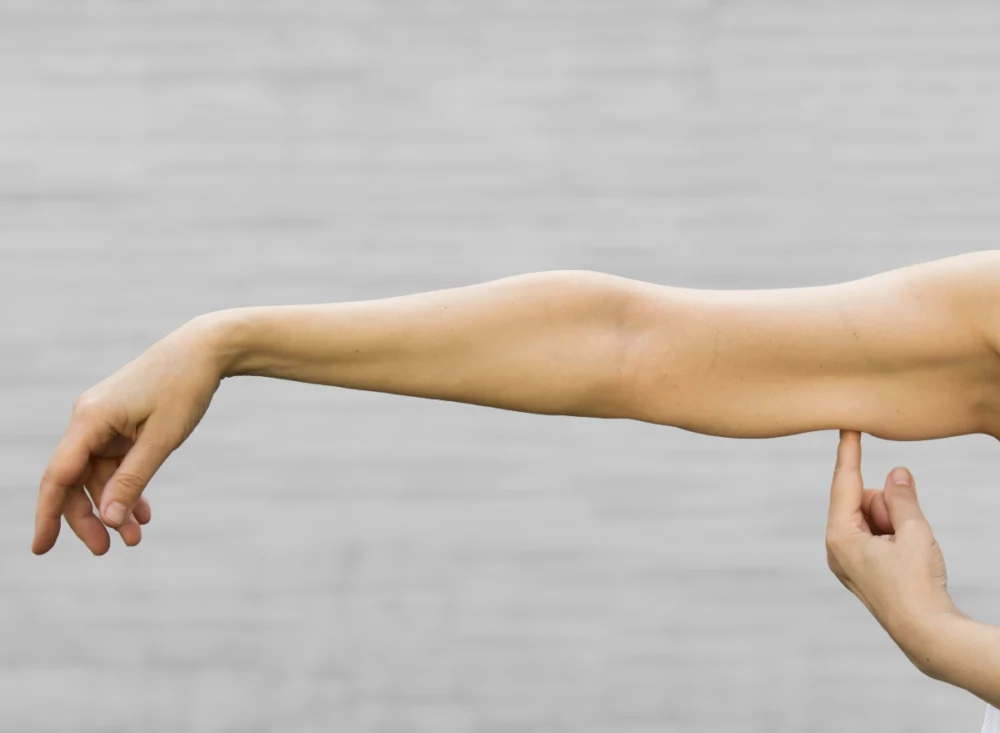
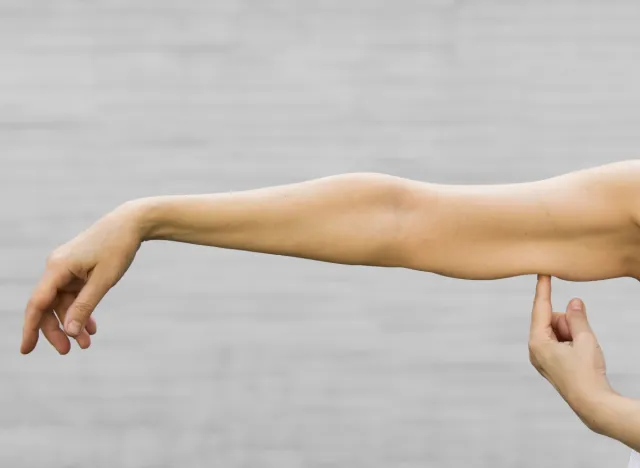
The pursuit of firm upper arms, often aimed at mitigating what is colloquially referred to as "jiggle," is rooted in the natural processes of aging. Starting around the age of 30, the human body typically begins to experience sarcopenia, a progressive and generalized loss of skeletal muscle mass and strength. Research indicates that this decline can occur at a rate of approximately 3% to 8% per decade. This gradual reduction in lean muscle tissue directly impacts the firmness and shape of the arms. Concurrently, the body’s production of vital structural proteins, collagen and elastin, also diminishes. Collagen provides tensile strength and structure to the skin, while elastin allows it to stretch and return to its original form. A reduction in these proteins leads to decreased skin elasticity and firmness, contributing to a less taut appearance.
Understanding these physiological shifts underscores the importance of targeted physical activity. Dana McSpadden, owner of High Definition Wellness Co. and a seasoned coach, emphasizes that these age-related changes, while natural, are not irreversible and can be effectively managed through consistent, appropriate exercise. "By the time we reach our mid-40s and later, we typically observe a notable decrease in muscle mass and overall strength," McSpadden explains. "Simultaneously, we face a reduction in collagen and elastin, which are critical for maintaining skin’s tautness and plumpness. Fortunately, there’s no need for concern, as we can counteract sarcopenia and its effects conveniently at home, without any equipment. These exercises are particularly well-suited for individuals aged 45 and up, as they are gentle on the joints and can be performed almost anywhere."
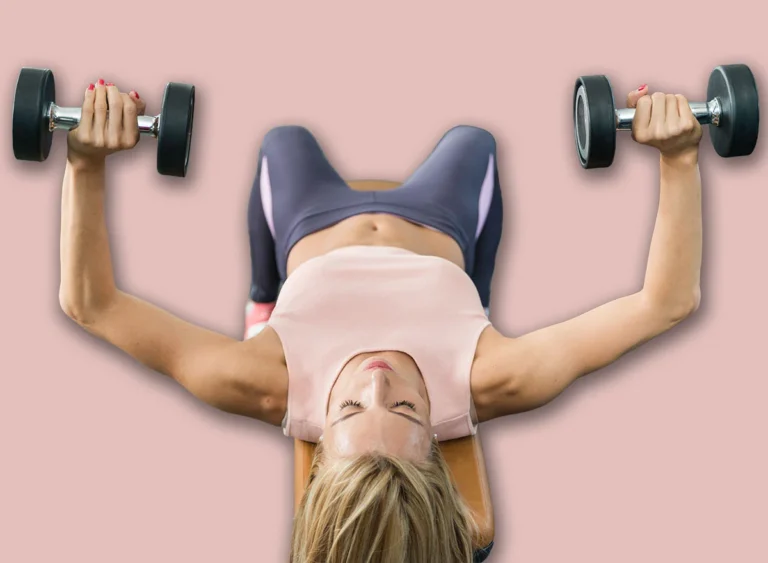
The shift in focus from heavy lifting to bodyweight exercises in midlife is a strategic one, particularly for joint health and overall systemic well-being. As McSpadden points out, "Once we pass 45, the necessity for heavy weights to stimulate muscle growth is often less critical than it once was. In this life stage, the primary objective transitions from ‘how much weight can I lift?’ to ‘how can I effectively and safely engage my muscles?’" Heavy resistance training, while beneficial for younger individuals, can place significant strain on joints, potentially leading to injuries that require extended recovery periods. Moreover, intense, high-impact workouts can sometimes elevate cortisol levels, a stress hormone linked to issues such as insomnia, anxiety, and weight gain. Improper heavy lifting techniques can also inadvertently cause inflammation, which might paradoxically contribute to a less defined, more "flabby" appearance rather than the desired toned look. Bodyweight exercises, by contrast, allow for muscle engagement and strengthening through controlled movements, minimizing joint stress and reducing the risk of inflammation or injury. This approach also promotes increased range of motion and improved balance, critical components of functional fitness that enhance daily living and reduce fall risk as we age.
To effectively target and sculpt the upper arms, McSpadden recommends incorporating a routine of five standing bodyweight exercises. For optimal results, these movements should be performed five days a week, with each exercise completed two to three times for a duration of 30 to 45 seconds per set. This consistent, moderate-intensity regimen leverages the principles of time under tension and muscular endurance to build lean muscle and improve overall arm definition.
Here are five standing arm exercises that effectively contribute to smoother, firmer upper arms:
-
Arm Circles:
This foundational exercise is excellent for warming up the shoulder girdle and engaging the deltoid muscles (shoulders) and upper back. To perform, stand tall with your feet hip-width apart and extend your arms straight out to your sides at shoulder height, palms facing down. Begin by making small, controlled circles forward, gradually increasing the size of the circles. After a set duration, reverse the direction, making backward circles. The key is to maintain a stable core and controlled movement throughout, avoiding jerky motions. This movement improves shoulder mobility, strengthens the rotator cuff muscles, and enhances muscular endurance in the shoulders. -
Slow Standing Punches:
This dynamic exercise targets the shoulders, biceps, triceps, and even the core, promoting controlled power and stability. Stand with a slight bend in your knees, feet shoulder-width apart, and hands in loose fists near your chin. Extend one arm forward in a slow, controlled punching motion, rotating your wrist slightly so your palm faces down at the end of the punch. Fully extend the arm without locking the elbow. Slowly retract the arm to the starting position, then repeat with the other arm. The emphasis here is on deliberate, smooth movements rather than speed, allowing for maximal muscle engagement and control. This exercise also improves coordination and core stability as the torso naturally counter-rotates with each punch.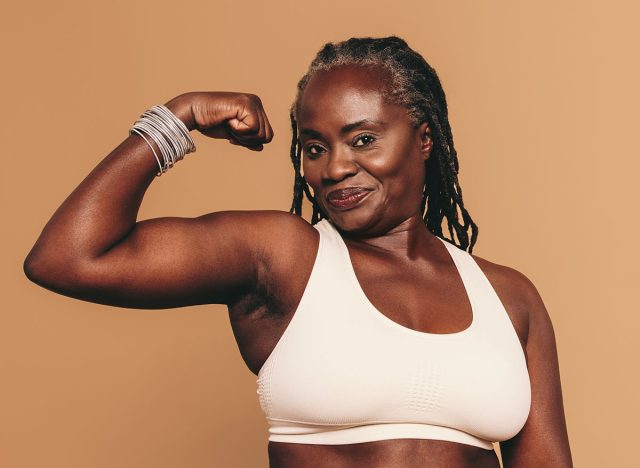
-
Isometric Bicep Hold:
Isometric exercises involve contracting muscles without changing their length, creating sustained tension that builds strength. For the isometric bicep hold, stand upright with your arms at your sides, palms facing forward. Bend your elbows to a 90-degree angle, as if holding an invisible weight. Now, imagine you are forcefully trying to bring your hands towards your shoulders while simultaneously resisting that movement with equal force from your triceps. This creates intense tension in the biceps and forearms. Hold this contracted position for the recommended duration, focusing on the squeeze in your biceps. This static hold is highly effective for increasing bicep definition and muscular endurance. -
Isometric Tricep Extension:
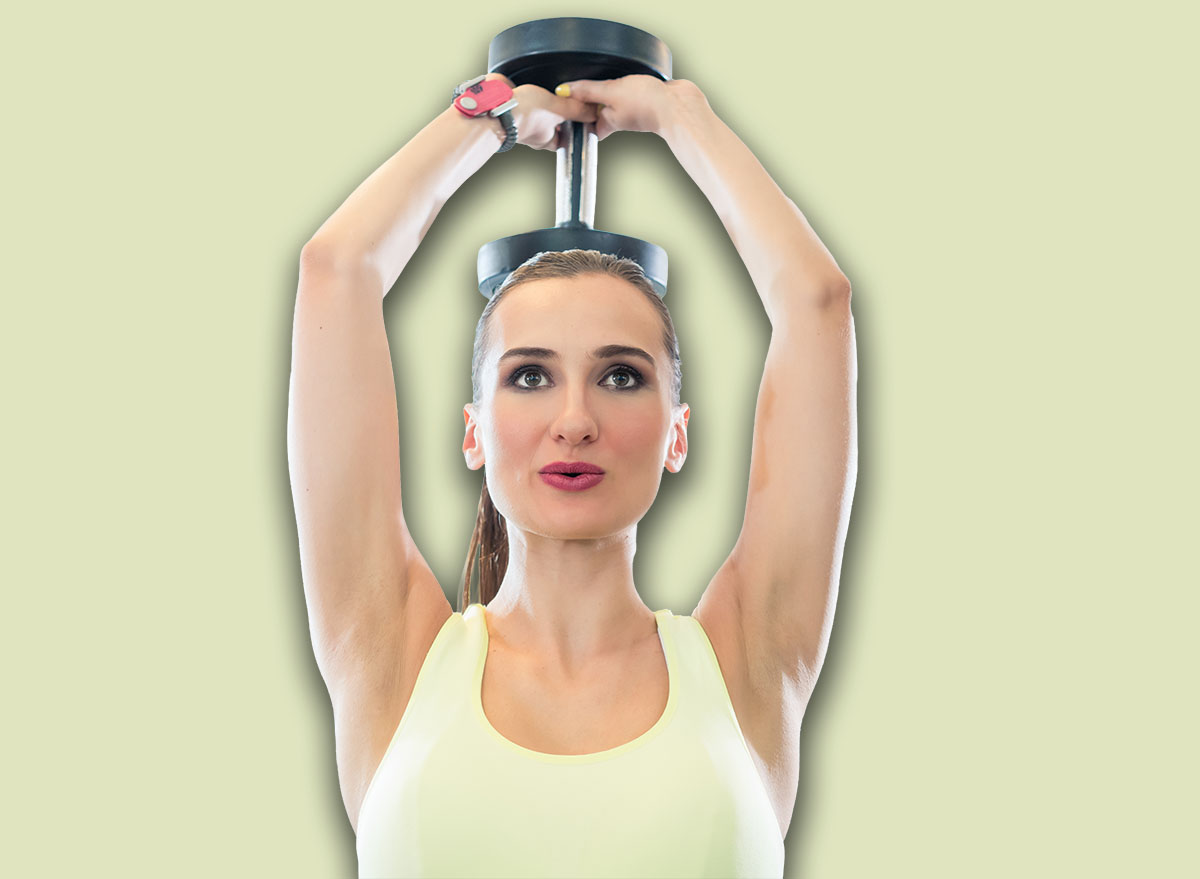
Similar to the bicep hold, this isometric exercise specifically targets the triceps, the muscles on the back of the upper arm that are crucial for countering any perceived "sagging." Begin by standing tall with your feet hip-width apart. Extend your arms straight overhead, keeping them close to your ears. Bend your elbows, bringing your hands behind your head as if preparing for an overhead tricep extension with a dumbbell. Now, instead of moving, press your palms together or imagine pushing an invisible force upward with your hands, while simultaneously trying to resist that upward movement with your triceps. Maintain strong tension in the triceps throughout the hold. This exercise is incredibly effective for firming the back of the arms without any external load, enhancing strength and tone in a joint-friendly manner. -
Half Around the World:
This exercise promotes comprehensive shoulder health and strengthens the muscles responsible for arm elevation and rotation. Stand with your feet hip-width apart, arms at your sides, palms facing forward. Slowly raise your arms out to the sides and up overhead, forming a large arc, until your palms meet above your head. Maintain a slight bend in your elbows and keep your shoulders relaxed, avoiding shrugging towards your ears. Control the movement as you lower your arms back down through the same arc to the starting position. This exercise focuses on a full range of motion, improving flexibility and stability in the shoulder joint while engaging the deltoids, biceps, and upper back muscles.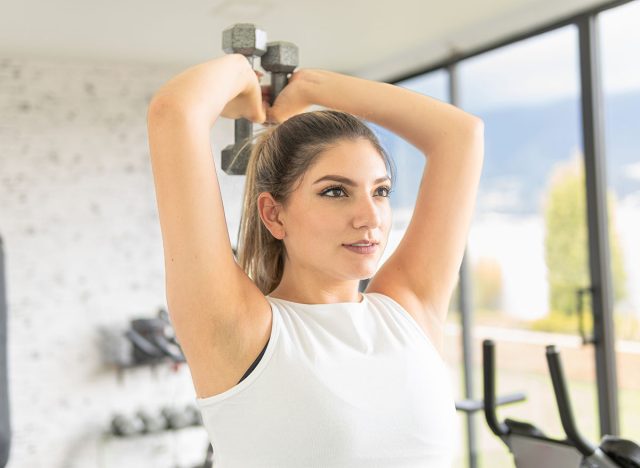
Incorporating these exercises into a regular fitness routine offers numerous advantages beyond mere aesthetics. Consistent bodyweight training helps maintain bone density, improves balance and coordination, and supports a healthier metabolic rate, all of which are vital for active aging. Starting a new exercise regimen, particularly after 45, should always be approached thoughtfully. While these exercises are generally low-impact and safe, listening to your body and consulting with a healthcare professional or certified fitness expert is advisable, especially if you have pre-existing health conditions or concerns.
In conclusion, achieving and maintaining strong, well-defined upper arms after the age of 45 is entirely feasible and highly beneficial, even without the use of weights. By understanding the body’s natural aging processes and adopting a strategic approach with expert-recommended bodyweight movements, individuals can effectively counteract muscle loss, improve skin firmness, and enhance overall physical functionality. This accessible, equipment-free method provides a powerful pathway to a more confident and active lifestyle, proving that effective fitness can truly begin at any age, anywhere.
About the Author