Novel Neural Signatures Emerge for Pediatric ADHD and Anxiety Spectrum Conditions.
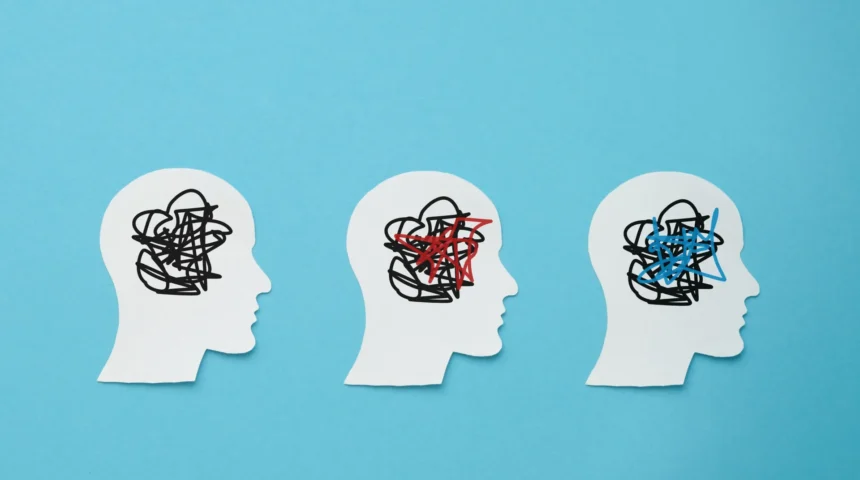
A groundbreaking investigation spearheaded by Stanford Medicine has pinpointed three distinct biological profiles, or biotypes, within the brains of children diagnosed with attention-deficit/hyperactivity disorder (ADHD), anxiety disorders, or a combination of both, offering a significant advancement in understanding these prevalent childhood mental health challenges. Published recently in the esteemed journal Nature Mental Health, these findings illuminate the intricate interplay between these frequently overlapping conditions, revealing that each identified biotype is characterized by unique disruptions in specific neural circuits.
Utilizing an extensive collection of functional magnetic resonance imaging (fMRI) scans, the research team meticulously identified three fundamental biological patterns that correlate with different constellations of symptoms. This discovery holds immense potential to refine the early detection of ADHD and anxiety, identify novel therapeutic targets, and guide clinicians in selecting the most effective treatment pathways for individual young patients.
"The considerable symptom overlap between ADHD and anxiety has historically obscured a clear understanding of the underlying neurobiology of these conditions, as traditionally defined by symptom clusters," explained Dr. Yu Zhang, PhD, a co-senior author of the study and assistant professor of psychiatry and behavioral sciences. Current diagnostic practices for ADHD and anxiety predominantly rely on symptom checklists. However, Dr. Zhang elaborated that children diagnosed with one condition often exhibit symptoms characteristic of the other, complicating straightforward diagnostic approaches.
The impetus for this research was to ascertain whether the biological variations observed in children with ADHD and anxiety align with the established clinical diagnostic categories. Dr. Yong Jiao, PhD, a postdoctoral scholar at the University of Iowa and the study’s lead author, alongside Dr. Jing Jiang, PhD, assistant professor of pediatric neurology at the University of Iowa, who shares senior authorship with Dr. Zhang, led this exploration. Their findings indicate a more nuanced reality than a simple one-to-one mapping between diagnosis and brain type. Children falling into any of the three identified biotypes could receive a diagnosis of ADHD, anxiety, or both, although certain biological patterns were demonstrably more prevalent within specific diagnostic groups. The researchers posit that identifying these foundational biological differences could introduce a crucial layer of objective biological information to complement existing diagnostic frameworks, thereby enriching both future scientific inquiry and clinical practice.
To unravel these complex neural patterns, the research team leveraged data from the Adolescent Brain Cognitive Development (ABCD) study, a comprehensive, ongoing initiative tracking the brain development of over 11,000 children across the United States. Participants were approximately 9 or 10 years old at the commencement of this extensive project. The analytical cohort comprised 3,508 children who, at the time of enrollment, already had a confirmed diagnosis of ADHD, anxiety, or both. An additional 693 children, who initially did not present with either condition but subsequently developed one or both, were also included. A control group of 1,947 children, who never received a diagnosis of ADHD or anxiety, provided a baseline for comparison.
Every participant underwent fMRI brain scanning, in addition to completing a suite of cognitive and behavioral assessments. To rigorously validate their findings, the scientists also examined brain scans from a separate cohort of 224 children involved in the Healthy Brain Network project, all of whom had been diagnosed with ADHD or anxiety disorder.
The core of the analytical methodology involved the development of a sophisticated artificial intelligence (AI) model designed to scrutinize functional connectivity, a measure of how different brain regions communicate and collaborate. By integrating diagnostic information with the results of behavioral assessments, the AI model successfully identified distinct patterns of brain connectivity that were significantly more pronounced in children diagnosed with ADHD, anxiety, or both, when contrasted with their peers who did not have these conditions.
The integration of behavioral data with brain imaging revealed two primary dimensions of neural dysfunction associated with ADHD and anxiety: one related to cognitive-behavioral regulation and another linked to emotion-attention processing. Each of these dimensions involves a distinct network of brain regions. The interplay and combination of disruptions within these networks gave rise to three clearly defined biotypes: the "externalizing-disinhibited biotype," the "internalizing-distressed biotype," and the "mixed biotype."
These three biological classifications were mutually exclusive, meaning each child was assigned to only one biotype. However, importantly, no single biotype was exclusively linked to a specific traditional diagnosis. Children classified within the externalizing-disinhibited group typically exhibited heightened levels of impulsivity, aggression, defiance, hostility, and behaviors that disregard rules. ADHD diagnoses were notably more prevalent within this biotype. Conversely, the internalizing-distressed group was characterized by greater tendencies toward guilt and tension, more pronounced perfectionistic traits, and a higher incidence of symptoms associated with depression and anxiety. Children presenting with this biological profile were more frequently diagnosed with anxiety disorders. The mixed biotype encompassed children who experienced significant challenges with attention regulation, heightened irritability, and instances of self-harm. Similar to the externalizing-disinhibited group, children in the mixed biotype were also more likely to receive an ADHD diagnosis. Despite these observed tendencies, the researchers found that every conceivable combination of brain biotype and conventional diagnosis existed among the studied participants.
Perhaps one of the most striking revelations emerged when the scientists analyzed brain scans from children who had not received a diagnosis of ADHD or anxiety at the initial phase of the study. The distinct biological patterns associated with these conditions were already detectable in their baseline scans, even though the children did not develop a formal diagnosis until a later point. "We believe this suggests that these biotypes may serve as early indicators for these conditions," Dr. Zhang commented, highlighting the early detectability as the most unexpected and significant aspect of the research. This foresight could pave the way for more prompt interventions, potentially slowing, or even, as hoped, reversing the progression of these disorders.
Dr. Zhang anticipates that these newly identified brain biotypes will not supersede existing symptom-based diagnoses but rather augment them, enabling clinicians to select treatments that are more precisely tailored to the individual child. Currently, the process of finding an effective treatment for ADHD or anxiety often involves a considerable amount of trial and error. Children may need to undergo trials with multiple medications before identifying one that offers substantial relief. "When clinicians prescribe a new medication, it can take weeks or months to observe a meaningful response," Dr. Zhang noted. "If the initial medication proves ineffective, they transition to a different one." This iterative process can be protracted, financially burdensome, and emotionally taxing for families.
The research team expresses hope that future clinical trials will build upon these foundational findings by investigating how various therapeutic interventions impact these specific patterns of brain activity. Such studies could ultimately empower researchers to determine which treatments are most efficacious for each of the three identified biotypes. "Our objective is to identify biomarkers that can truly inform the selection of the right treatment at the right time," Dr. Zhang concluded.
Researchers contributing to this study are affiliated with Stanford University’s Wu Tsai Neurosciences Institute and the Stanford Institute for Human-Centered AI. Additional collaborative efforts were provided by institutions including the University of Iowa, the University of Texas at Austin, and the University of Pennsylvania Perelman School of Medicine. Funding for this pivotal research was generously provided by the National Institutes of Health through multiple grant awards (including R01MH129694, R01MH136197, R01MH145082, R01MH140425, U24AA021697, R01DA057567, R37MH101495, and R01MH132784), as well as support from the Eagles Autism Foundation, the Stanford Knight Initiative for Brain Resilience, the Rosenkranz Foundation, the Brain and Behavior Research Foundation, and the Effie and Wofford Cain Foundation.

Related News