A groundbreaking therapeutic strategy developed by researchers at the Korea Advanced Institute of Science and Technology (KAIST) promises to revolutionize cancer treatment by transforming the body’s own immune cells, resident within tumors, into potent cancer-fighting agents. This innovative approach circumvents the inherent challenges posed by the tumor microenvironment, which typically renders these immune cells ineffective, by directly reprogramming them in situ. The research, spearheaded by Professor Ji-Ho Park’s team within the Department of Bio and Brain Engineering, introduces a paradigm shift in immunotherapy, moving away from ex vivo manipulation towards an immediate, localized activation of anti-cancer defenses.
The inherent resilience of solid tumors to therapeutic intervention has long been a formidable obstacle in the fight against cancer. Cancers such as those affecting the lungs, liver, and stomach often exhibit dense, complex architectures that act as physical and biological barriers. These structural impediments not only hinder the infiltration of externally administered therapeutic agents, including immune cells, but also create an immunosuppressive milieu that actively suppresses the function of immune cells that manage to penetrate the tumor mass. Consequently, many advanced immunotherapies, which rely on the immune system’s ability to recognize and eliminate cancerous cells, struggle to achieve optimal efficacy against these challenging malignancies.
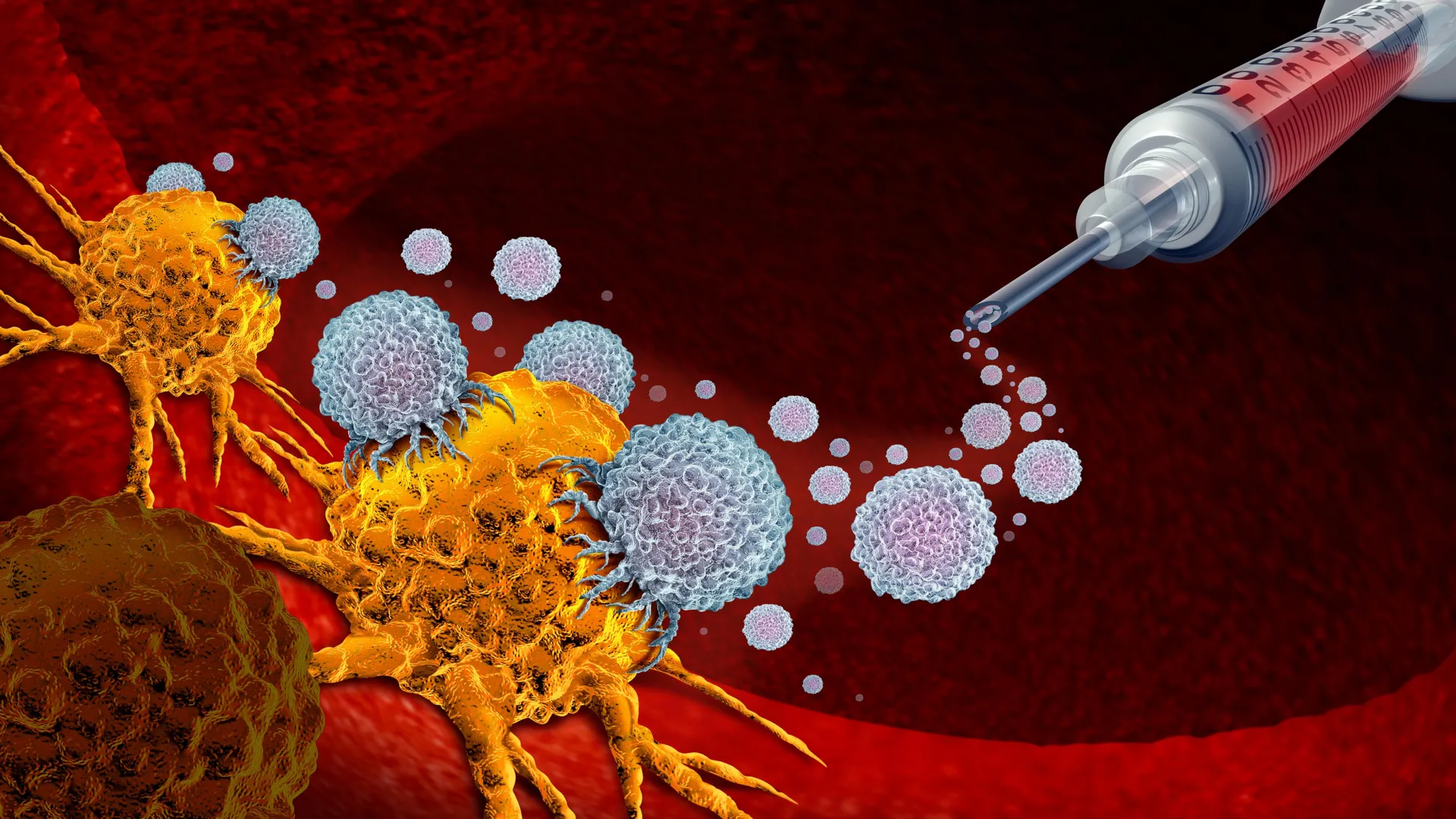
Within the intricate ecosystem of a tumor, a type of immune cell known as a macrophage plays a dual role. While these cells possess an intrinsic capacity to target and neutralize cancer cells, the tumor environment frequently co-opts them, forcing them into a pro-tumorigenic or immunosuppressive state. The KAIST team’s innovation lies in their ability to override this suppressive influence, effectively awakening and repurposing these dormant defenders. Their method involves the direct administration of a specially designed therapeutic agent into the tumor itself. Upon injection, the macrophages already present within the tumor readily internalize this agent.
This internalized agent carries the crucial instructions for reprogramming. Specifically, it comprises messenger RNA (mRNA) encoding for chimeric antigen receptor (CAR) proteins, which act as molecular beacons designed to recognize and bind to specific antigens present on cancer cells. Alongside the mRNA, the agent also contains an immune-stimulating compound. The synergistic action of these components leads to the macrophages within the tumor beginning to synthesize CAR proteins. This transformation effectively re-engineers these endogenous macrophages into a specialized class of anti-cancer immune cells, now termed "CAR-macrophages."
CAR-macrophages represent a highly promising frontier in next-generation immunotherapy. Their inherent biological capabilities are particularly well-suited for combating cancer. Unlike certain other immune cells, macrophages possess the innate ability to directly engulf and destroy cancer cells through a process called phagocytosis. Furthermore, they are adept at releasing signaling molecules that activate and recruit other immune cells to the tumor site, thereby amplifying the body’s overall immune response against the malignancy.
While the concept of CAR-macrophages as a therapeutic strategy is compelling, current methods for their development have been fraught with logistical and economic challenges. Existing protocols necessitate the extraction of immune cells, primarily monocytes, from a patient’s peripheral blood. These cells are then cultured and genetically modified in specialized laboratory settings to express CARs. Following this extensive ex vivo manipulation, the reprogrammed cells are reinfused back into the patient. This multi-step process is not only time-consuming and resource-intensive but also difficult to scale up for widespread clinical application, significantly limiting its accessibility for a broad patient population.
The KAIST research team’s novel strategy bypasses these limitations entirely by focusing on the tumor-associated macrophages (TAMs) that have already gravitated towards the tumor microenvironment. By developing a method for direct in vivo reprogramming, they eliminate the need for cell extraction and ex vivo manipulation. This streamlined approach significantly reduces the complexity and cost associated with CAR-macrophage therapy.
The core of their innovative methodology relies on the use of lipid nanoparticles (LNPs). These nanoparticles are meticulously engineered to exhibit a high affinity for macrophages, ensuring efficient cellular uptake. The LNPs are loaded with both the cancer-recognition mRNA and the immune-activating adjuvant. Upon intravenous injection directly into the tumor, these LNPs are readily absorbed by the TAMs. Within the macrophages, the mRNA is translated into CAR proteins, while the adjuvant simultaneously primes the immune system. This coordinated action results in the direct conversion of the body’s own macrophages into highly effective anti-cancer cell therapies, all occurring within the natural confines of the patient’s body.
The efficacy of this in situ reprogramming approach was vividly demonstrated in preclinical studies conducted on animal models. When the therapeutic LNPs were administered directly into tumors, macrophages within the tumor mass rapidly assimilated the nanoparticles. This uptake initiated the simultaneous production of cancer-targeting CAR proteins and the activation of crucial immune signaling pathways. The resultant "enhanced CAR-macrophages" exhibited a dramatically amplified capacity to eliminate cancer cells compared to their unmanipulated counterparts. Moreover, these reprogrammed cells proved adept at stimulating surrounding immune cells, orchestrating a robust and comprehensive anti-tumor immune response.
In animal models specifically designed to mimic melanoma, a particularly aggressive form of skin cancer, the treatment led to a substantial reduction in tumor growth. Beyond the immediate impact on the treated lesion, the researchers observed compelling evidence suggesting that the induced immune response had a broader systemic effect. This indicates the potential for the therapy to establish a form of immunological memory that could offer protection against the recurrence or spread of cancer throughout the body, a critical aspect of long-term cancer control.
Professor Ji-Ho Park emphasized the groundbreaking nature of this research, stating, "This study presents a new concept of immune cell therapy that generates anticancer immune cells directly inside the patient’s body." He further elaborated on the significance of this achievement, highlighting its ability to "simultaneously overcome the key limitations of existing CAR-macrophage therapies – delivery efficiency and the immunosuppressive tumor environment." This dual benefit addresses two of the most significant hurdles in translating the promise of CAR-macrophage therapy into widespread clinical practice.
The foundational research underpinning this innovative treatment was led by Jun-Hee Han, Ph.D., as the first author, a doctoral candidate within the Department of Bio and Brain Engineering at KAIST. The comprehensive findings detailing this novel therapeutic strategy were formally published on November 18th in ACS Nano, a highly respected international journal renowned for its focus on cutting-edge nanotechnology research. Financial support for this pioneering endeavor was provided by the Mid-Career Researcher Program of the National Research Foundation of Korea, underscoring the national investment in advancing innovative cancer treatment modalities. This work represents a significant leap forward, paving the way for more accessible, efficient, and potent immunotherapies against a wide range of solid tumors.
About the Author