The Seated Advantage: Comprehensive Upper Body Conditioning for Adults Over 50 to Combat Sarcopenia and Enhance Arm Tone
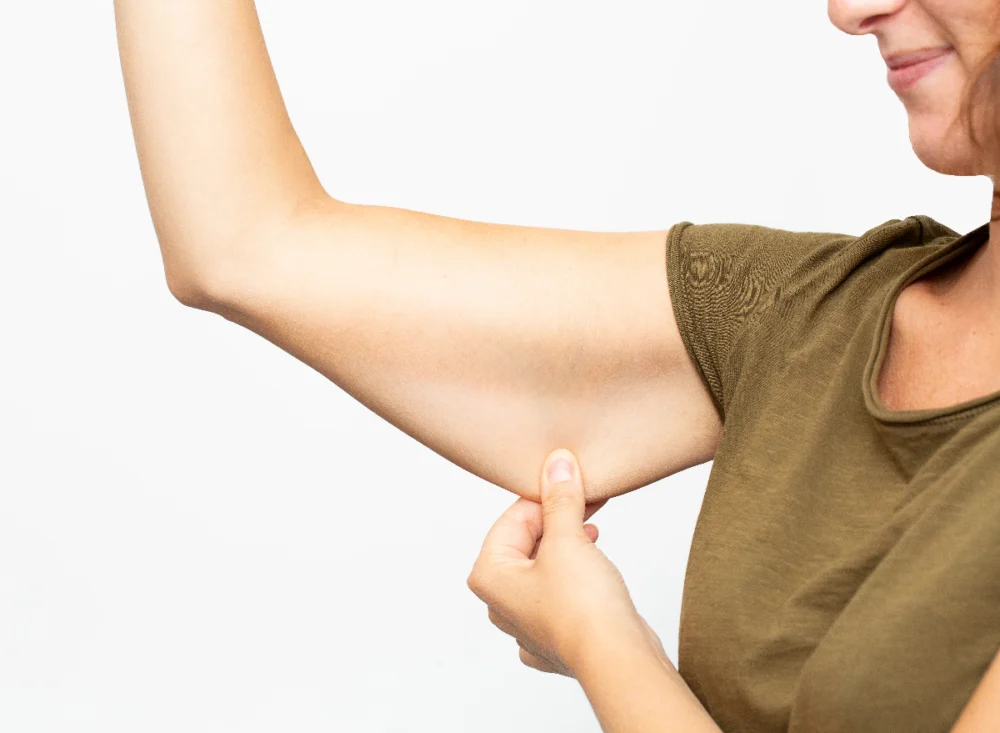
As individuals navigate the landscape of midlife and beyond, the human body undergoes a series of natural physiological shifts that can significantly impact strength, muscle mass, and overall physical appearance. Among the most commonly observed changes is a reduction in the firmness and definition of the upper arms, often leading to concerns about what is colloquially termed "crepey" or less toned skin. This phenomenon is primarily driven by two key biological processes: sarcopenia, the age-related decline in skeletal muscle mass and strength, and a concurrent reduction in collagen production, which diminishes skin elasticity. The interplay between these factors results in a loss of underlying structural support for the skin, making the arms appear less taut. Recognizing and addressing these age-related changes through targeted physical activity is paramount not only for aesthetic reasons but, more critically, for maintaining functional independence and overall well-being.
The pervasive impact of sarcopenia extends far beyond superficial aesthetic considerations. This progressive condition, which can begin as early as the third decade of life but accelerates significantly after age 50, contributes to decreased metabolic rate, impaired balance, increased risk of falls, and a general reduction in the capacity to perform daily activities. Concurrently, the body’s natural synthesis of collagen, a vital protein providing structure to skin, bones, tendons, and ligaments, gradually slows. This dual decline means that as muscle volume decreases, the skin loses its firm foundation and its inherent ability to spring back, leading to a less defined silhouette in areas like the upper arms. Consequently, proactive strategies focused on muscle preservation and rebuilding become indispensable for mitigating these effects and fostering a healthier, more active aging process.
In this context, strength training emerges as an exceptionally powerful intervention. It directly counteracts sarcopenia by stimulating muscle protein synthesis, leading to hypertrophy (muscle growth) and an increase in overall muscle mass. This re-established muscle acts as a natural scaffolding beneath the skin, offering improved support and contributing to a firmer appearance. Beyond aesthetics, regular engagement in resistance exercises has been shown to enhance bone density, improve glucose metabolism, boost cardiovascular health, and significantly improve functional strength, which translates into an easier ability to lift, carry, and maneuver through daily life. For the demographic over 50, selecting appropriate exercise modalities is crucial to maximize benefits while minimizing strain on joints that may have experienced years of wear and tear.
This is precisely where the innovative application of chair-based exercises demonstrates its exceptional utility. Often underestimated, a simple chair can transform into a stable and versatile piece of fitness equipment, offering a secure base that facilitates controlled movement and leverages body weight to generate resistance. According to Jill Jones, Co-founder of FitQuo and Owner of Colosseum Gym, "After age 50, the body naturally loses muscle mass… and collagen production declines, reducing skin elasticity. As muscle underneath the skin diminishes, the skin loses its support structure, leading to the sagging or ‘crepey’ appearance many people notice in their arms." She emphasizes that "Strength training helps reverse this process by rebuilding muscle, which acts like a natural scaffold beneath the skin. Chair exercises are especially effective because they allow controlled resistance and proper alignment—stimulating muscle growth without overstressing aging joints." This low-impact approach is particularly beneficial for mature adults, as it enables individuals to engage in effective strength-building routines without placing undue stress on joints, making it a sustainable and accessible option for nearly everyone.
One of the key insights highlighted by fitness professionals like Jones is the common misconception surrounding upper arm definition. Many individuals tend to focus predominantly on the biceps when aiming to enhance arm appearance. However, the triceps brachii muscle, located on the back of the upper arm, constitutes a significantly larger muscle group than the biceps and is often the primary area where diminished firmness becomes noticeable. As Jones clarifies, "While bicep curls isolate one muscle, sagging arms are usually caused by weak triceps, shoulders, chest muscles, and poor posture—not weak biceps alone." She advocates for a more holistic approach, noting that "Chair-based exercises engage multiple muscle groups simultaneously, leading to better overall arm firmness and functional strength." This multi-muscle engagement, often through compound movements, is more effective at building comprehensive strength, improving posture, and achieving a more toned and defined upper arm silhouette. Furthermore, the inherent stability provided by a chair allows for slower, more deliberate movements and a fuller range of motion, which are critical elements for optimal muscle growth and activation, particularly beneficial for individuals over 50.
Incorporating a routine of chair-based exercises that target the triceps, shoulders, and chest, alongside the biceps, can yield superior results compared to solely performing isolated bicep curls. These movements are designed to work synergistically, contributing to a more comprehensive and effective upper arm conditioning program. Here are five such chair-supported exercises that offer significant advantages for enhancing arm definition and functional strength in later life:
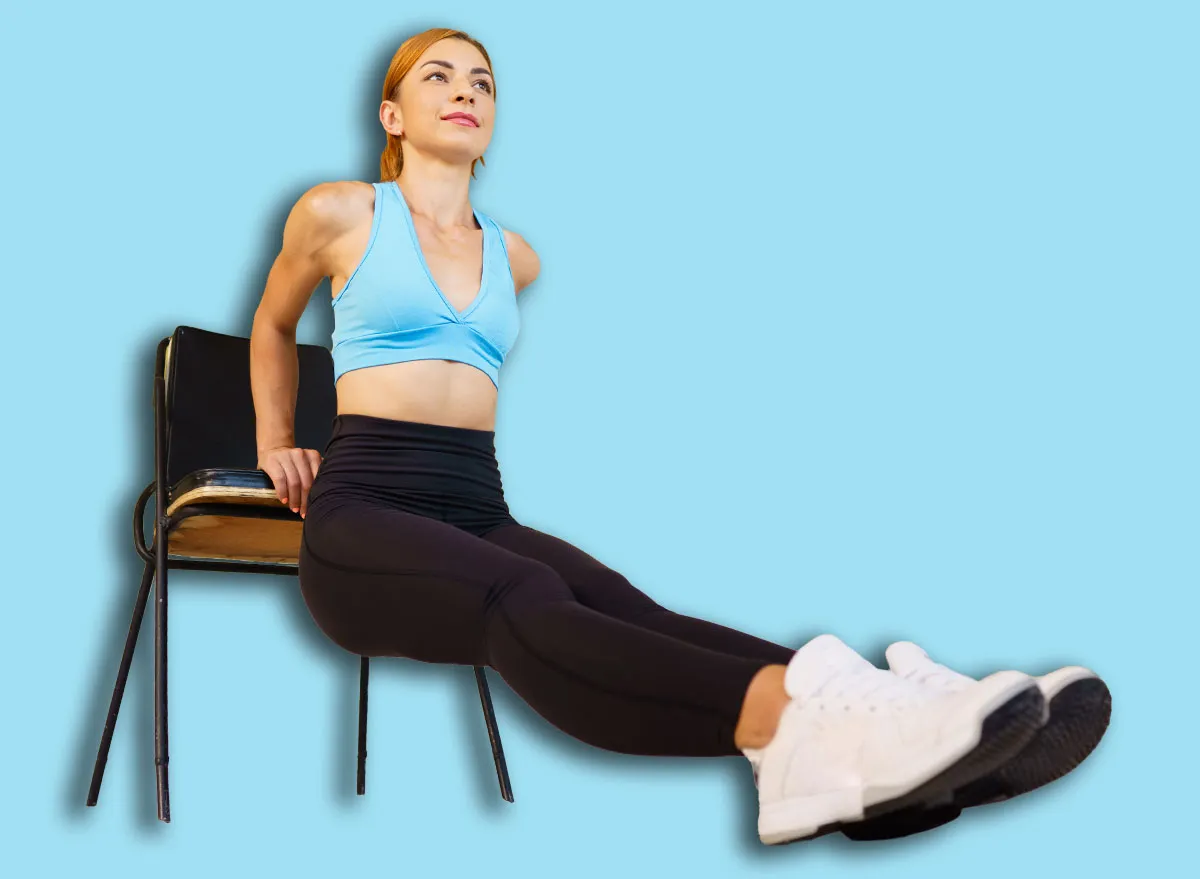
1. Chair Tricep Dips: This exercise is a powerhouse for directly engaging the triceps, the muscle group primarily responsible for the firmness and contour of the back of the upper arm. As Jill Jones points out, this move "directly targets the triceps—the primary muscle responsible for tightening the back of the arms, where sagging most often occurs." By positioning oneself with hands on the edge of a sturdy chair and lowering the body, individuals effectively use their body weight to create substantial resistance. This controlled movement allows for deep muscle activation, promoting hypertrophy in an area crucial for arm definition and functional pushing movements. The chair provides a stable anchor, enabling participants to manage their range of motion and intensity, making it adaptable for various strength levels and ensuring joint safety.
2. Seated Overhead Press: The seated overhead press is an excellent exercise for building strength and definition in the shoulders (deltoids) while also engaging the triceps. Performing this movement from a seated position offers a distinct advantage by stabilizing the core and lower back, thereby reducing the risk of strain often associated with standing overhead presses, especially for those with spinal sensitivities. Jones explains that this exercise "builds shoulder strength and definition while improving overhead mobility without placing stress on the lower back." This not only contributes to a more sculpted upper body but also enhances crucial overhead mobility, essential for daily tasks like reaching into cupboards or lifting objects above the head. The controlled environment of a chair allows for precise execution, maximizing muscle engagement and minimizing compensatory movements.
3. Seated Arm Circles: While perhaps appearing deceptively simple, seated arm circles are an endurance-based movement that provides significant benefits for the shoulders and arms. This exercise focuses on toning the deltoids and smaller stabilizing muscles around the shoulder joint, which are vital for overall shoulder health and mobility. Performing arm circles helps to improve blood flow to the upper body, promoting nutrient delivery and waste removal, which aids in muscle recovery and overall tissue health. As Jones suggests, this move "tones the shoulders and arms, improves blood flow, and strengthens stabilizing muscles." The continuous, rhythmic motion, especially when performed for extended durations or with an increased number of repetitions, builds muscular endurance, contributing to a more sustained firm appearance and better joint articulation without high impact.
4. Chair Pushups: Chair pushups offer a modified yet highly effective way to strengthen the chest (pectorals), shoulders, and triceps simultaneously. This compound exercise replicates the benefits of a traditional floor pushup but in a joint-friendly, upright position that significantly reduces the gravitational load and makes maintaining proper form much more accessible. "Chair pushups strengthen the chest, shoulders, and arms together while remaining joint-friendly—far easier to maintain good form than floor pushups," Jones notes. The ability to adjust the angle by using different chair heights or distances from the chair allows for progressive overload, making this exercise suitable for individuals at various fitness levels. It’s an excellent way to build functional pushing strength, improve upper body stability, and contribute to overall arm and chest definition.
5. Seated Bicep Curls: While the primary focus of this comprehensive approach extends beyond isolated biceps work, incorporating seated bicep curls remains valuable for complete arm development. This exercise specifically targets the biceps brachii, enhancing arm shape and contributing to functional pulling strength, which is essential for everyday activities like lifting groceries or pulling open doors. Performing bicep curls from a seated position offers the benefit of maintaining core stability throughout the movement, preventing the lower back from compensating and ensuring that the biceps are the primary movers. "This exercise keeps the core stable while isolating the biceps, helping improve arm shape and functional strength for lifting and carrying," Jones emphasizes. This targeted isolation helps to round out the arm musculature, creating a more balanced and defined appearance.
Ultimately, integrating these chair-based exercises into a regular fitness regimen provides a highly effective and accessible pathway to address the natural physiological changes that occur after age 50. The synergistic action of these movements, targeting the triceps, shoulders, chest, and biceps, yields a more comprehensive and enduring improvement in upper arm firmness and overall functional strength. Beyond the aesthetic benefits, consistent engagement in such low-impact strength training routines contributes significantly to counteracting sarcopenia, improving joint health, enhancing posture, and ultimately fostering a greater sense of physical capability and independence throughout the aging process. The convenience and safety offered by chair-supported exercises make them an ideal choice for anyone seeking to maintain vitality and strength in their golden years.

Related News