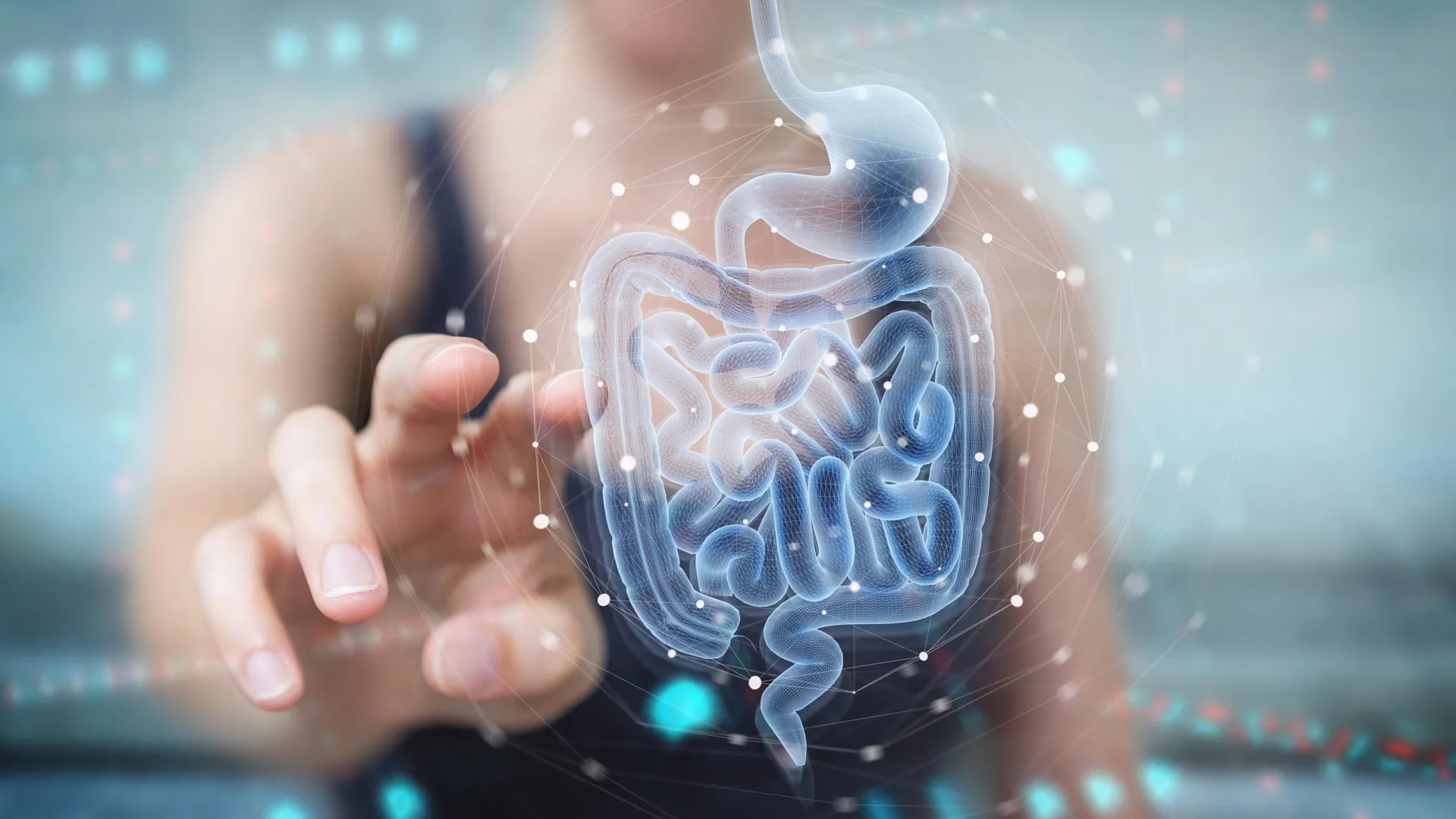
The intricate processes of aging profoundly influence every tissue and organ system within the human body, none more dynamically than the gastrointestinal tract. Characterized by an unparalleled rate of cellular renewal, the intestinal lining undergoes complete replacement every few days, a testament to the tireless work of specialized stem cells. These cellular architects are tasked with maintaining the integrity and functionality of this vital barrier, constantly generating fresh cells to replace those lost. However, this relentless regenerative activity is not immune to the passage of time; accumulating molecular alterations within these critical stem cells can subtly, yet significantly, redirect their behavior, potentially escalating the risk of age-related pathologies, including colorectal cancer. A groundbreaking international investigation, recently published in the esteemed journal Nature Aging, has meticulously uncovered a previously unrecognized, structured program of epigenetic modification occurring within these intestinal stem cells, strongly correlating with both advanced age and heightened susceptibility to colon cancer.
At the heart of this discovery lies the concept of epigenetics – a layer of cellular regulation that dictates gene expression without altering the underlying DNA sequence. Unlike genetic mutations, which involve permanent changes to the DNA code, epigenetic modifications act more like molecular rheostats, influencing which genes are actively transcribed and which remain quiescent. These biochemical markers, primarily in the form of chemical tags attached to DNA or associated proteins, orchestrate the complex symphony of cellular function and identity. The research team, spearheaded by Professor Francesco Neri of the University of Turin, Italy, identified that these age-associated epigenetic shifts in intestinal stem cells do not arise randomly but rather adhere to a discernible and progressive pattern. This systematic alteration, termed ACCA (Aging- and Colon Cancer-Associated) drift, intensifies with chronological aging, establishing a distinct epigenetic signature. Professor Neri, formerly a group leader at the Leibniz Institute on Aging – Fritz Lipmann Institute in Jena, underscored the observation: "We can discern an epigenetic blueprint that becomes progressively more pronounced as an individual ages."
The genes most significantly impacted by this accumulating epigenetic drift are predominantly those integral to maintaining cellular equilibrium and orchestrating tissue repair within the intestine. A notable subset of these genes plays a pivotal role in the Wnt signaling pathway, a fundamental biological cascade crucial for stem cell proliferation, differentiation, and the continuous renewal of the intestinal epithelium. As these critical regulatory genes undergo epigenetic modification, their normal function is compromised, leading to a diminished capacity for the gut to self-repair and sustain its healthy architecture. The implications extend beyond mere age-related decline; a startling concordance was observed when researchers analyzed colorectal cancer samples. The precise epigenetic drifting pattern identified in senescent intestinal tissue was found to be strikingly similar, if not identical, to patterns present in nearly all analyzed cancerous specimens. This profound overlap suggests that the epigenetic landscape cultivated by aging stem cells may not merely coincide with cancer development but actively fosters an environment conducive to malignant transformation. It implies that the aged intestine may inherently possess a molecular predisposition for carcinogenesis, making it a fertile ground for the initiation and progression of tumors.
Further deepening the understanding of this phenomenon, the study revealed that the aging process does not affect the intestine uniformly. The intestinal lining is composed of millions of microscopic invaginations known as crypts, each of which functions as a miniature regenerative unit, originating from a single, dedicated stem cell. If the foundational stem cell within a particular crypt acquires these age-related epigenetic modifications, all subsequent daughter cells generated from it will inherit this altered epigenetic profile. Dr. Anna Krepelova, a key contributor to the research, elucidated this process: "Over time, an increasing number of regions within the tissue develop an epigenetic profile indicative of advanced age. Through the natural biological process of crypt fission, these epigenetically ‘older’ regions continuously expand and can persist and enlarge for many years." Consequently, the intestines of older individuals are not homogenous but rather a mosaic of crypts, some retaining a relatively youthful epigenetic signature while others exhibit a markedly aged one. This cellular heterogeneity results in a gut lining composed of patches where some regions remain robustly healthy, while others are more prone to producing compromised cells, thereby significantly increasing the probability of aberrant cell growth and tumor formation.
The investigators also delved into the underlying biochemical mechanisms driving this epigenetic drift. A crucial discovery pertained to cellular iron metabolism. As intestinal cells age, their capacity to absorb and retain iron diminishes, while simultaneously, they exhibit an increased propensity to release it. This imbalance leads to a localized reduction in the concentration of iron (II) within the cell nucleus. Iron (II) is not merely a trace element; it serves as an indispensable cofactor for a family of enzymes known as TET (ten-eleven translocation) enzymes. These enzymes play a vital role in active DNA demethylation, a process essential for removing superfluous or aberrant DNA methylations and maintaining dynamic epigenetic regulation. When nuclear iron (II) levels decline due to age-related metabolic shifts, TET enzyme activity is severely impaired. As a direct consequence, excess DNA methylations, which would normally be systematically removed, persist and accumulate on the DNA. Dr. Krepelova further elaborated, "When intracellular iron availability is insufficient, erroneous epigenetic marks remain fixed on the DNA. The cells, in essence, lose their intrinsic ability to correct these regulatory annotations." This cascading effect of reduced TET activity leads to an accumulation of DNA methylations, which, in turn, can silence critical genes, thereby accelerating the overall epigenetic drift and further entrenching the aged cellular phenotype.
Compounding this intricate molecular cascade, age-related inflammation within the gut lumen further exacerbates the problem. The research team demonstrated that even mild, chronic inflammatory signals, a common feature of aging often referred to as "inflammaging," can significantly perturb intracellular iron homeostasis. This inflammatory milieu places additional metabolic stress on intestinal cells, impairing their ability to regulate iron effectively. Concurrently, inflammatory cues can directly suppress Wnt signaling, thereby diminishing the regenerative capacity and overall health of intestinal stem cells. The interplay of iron dysregulation, chronic inflammation, and compromised Wnt signaling creates a potent synergistic effect, acting as a powerful accelerator for epigenetic drift. This detrimental triumvirate suggests that the molecular aging process within the intestine may commence earlier and progress at a more rapid pace than previously appreciated, contributing to a heightened vulnerability throughout an individual’s lifespan.
Despite the apparent complexity and pervasive nature of these age-related changes, the findings of this study offer a significant beacon of hope for future therapeutic interventions. In sophisticated laboratory experiments utilizing organoid cultures – three-dimensional miniature intestinal models derived from stem cells – researchers achieved a remarkable feat: they were able to either slow down or partially reverse the observed epigenetic drift. This was accomplished through two distinct but complementary approaches: by directly restoring intracellular iron uptake to optimal levels or by pharmacologically boosting Wnt signaling within the organoids. Both interventions proved efficacious in reactivating TET enzymes, consequently enabling the cells to resume the critical process of clearing excess DNA methylations. Dr. Anna Krepelova concluded with optimism: "This indicates that epigenetic aging is not necessarily an immutable, predetermined state. For the first time, we are observing tangible evidence that it is possible to modulate fundamental parameters of aging deeply embedded within the molecular core of the cell."
This groundbreaking research transcends a mere description of age-related changes; it offers a mechanistic understanding of how aging in a highly regenerative tissue like the gut contributes to cancer susceptibility. By identifying iron metabolism and Wnt signaling as key regulatory nodes, the study opens exciting avenues for potential interventions. While these findings are currently confined to laboratory settings, the demonstration of reversibility in organoid models holds profound implications for developing strategies aimed at preventing or mitigating age-related gastrointestinal diseases, including colorectal cancer. Future research will undoubtedly focus on translating these fundamental insights into clinical applications, exploring dietary modifications, pharmacological agents, or other therapeutic modalities that can restore epigenetic balance in the aging gut, thereby potentially extending health span and reducing cancer risk in older populations.
About the Author