The pursuit of reduced caloric intake has led countless individuals to embrace a wide array of non-nutritive sweeteners (NNS), often found in "diet" beverages and various processed foods. These synthetic or highly processed sugar alternatives promise sweetness without the associated energy cost, making them a seemingly ideal tool for weight management and blood sugar control. However, a growing body of scientific inquiry is casting a critical eye on their long-term physiological impact, moving beyond the simple equation of calories in versus calories out. Recent investigations, particularly a compelling study conducted by researchers at the Universidad de Chile and published in Frontiers in Nutrition, are adding significant weight to these concerns, suggesting that the influence of popular NNS like sucralose and stevia may extend far beyond the directly exposed individual, potentially shaping the metabolic health of subsequent generations.
Historically, non-nutritive sweeteners were largely considered inert substances, passing through the digestive system without significant interaction with human biology. This perception fueled their widespread adoption by consumers and food manufacturers alike. Yet, the persistent rise in global obesity rates and metabolic disorders, such as type 2 diabetes and cardiovascular disease, occurring concurrently with the increasing consumption of these very additives, has prompted scientists to question this long-held assumption. Dr. Francisca Concha Celume, the lead author of the Chilean research, articulated this paradox, noting the disconnect between rising NNS intake and the lack of decline in metabolic health issues. While acknowledging that these trends do not establish causation, she emphasized the critical need to explore whether these compounds exert subtle, yet profound, influences on metabolism that remain poorly understood.
Central to this evolving understanding is the intricate ecosystem residing within our gastrointestinal tract: the gut microbiome. Comprising trillions of bacteria, viruses, fungi, and other microorganisms, this internal world plays a pivotal role in numerous physiological processes, including nutrient absorption, immune system modulation, and the synthesis of vital compounds. Emerging evidence suggests that alterations to the delicate balance of the gut microbiome can have far-reaching implications for overall health, including metabolic function. This growing scientific consensus has shifted the focus of NNS research from direct caloric impact to their potential effects on this microbial community and, subsequently, on host metabolism.
The Chilean research team embarked on a meticulously designed animal study to investigate these complex interactions, specifically examining sucralose and stevia. These two sweeteners were chosen due to their prevalence in the global food supply. The methodology involved establishing three distinct groups of male and female mice: a control group receiving plain water, and two experimental groups whose drinking water was supplemented with either sucralose or stevia. The concentrations of these sweeteners were carefully calibrated to mirror typical human consumption levels, ensuring the relevance of the findings to real-world dietary patterns. A crucial aspect of this study’s innovative design was its intergenerational component. After the initial exposure, the mice were bred, and their offspring, as well as the subsequent generation, were provided only with plain water. This allowed the researchers to investigate whether any metabolic or physiological changes observed in the directly exposed animals could be transmitted to their descendants, even in the absence of direct NNS consumption. Animal models offer unparalleled advantages for such investigations, providing a highly controlled environment to isolate specific dietary factors and track biological effects across multiple generations within a comparatively short timeframe, a feat nearly impossible in human studies.
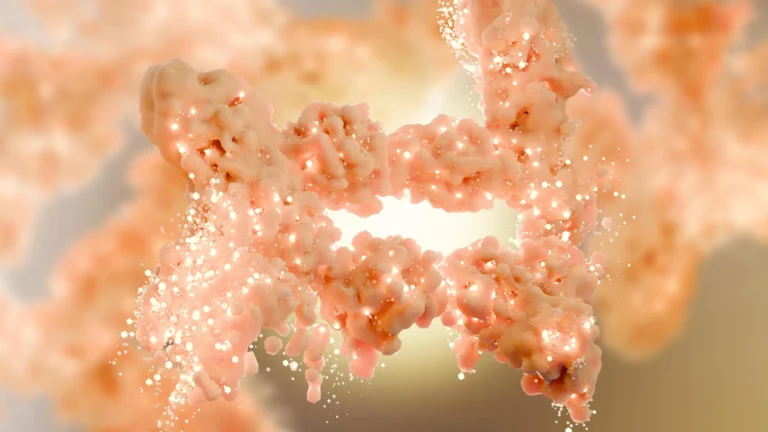
To comprehensively assess the impact of NNS exposure, the scientists employed a battery of physiological and molecular analyses across each generation. A primary measure was the oral glucose tolerance test (OGTT), a standard diagnostic tool used to evaluate how efficiently the body processes glucose and to detect early indicators of insulin resistance—a critical precursor to type 2 diabetes. Beyond glucose metabolism, the researchers delved into the gut environment. Fecal samples were collected to characterize changes in the composition and diversity of the intestinal microbiota. Concurrently, they measured the concentrations of short-chain fatty acids (SCFAs), which are crucial metabolites produced by gut bacteria. SCFAs serve as a vital energy source for colon cells, contribute to gut barrier integrity, and possess anti-inflammatory properties. Crucially, SCFAs also act as signaling molecules that can influence gene regulation, making changes in their levels a potential indicator of epigenetic effects—modifications to gene expression that do not involve alterations to the underlying DNA sequence but can be heritable. The hypothesis was that NNS might disrupt the normal functioning of the gut microbiome, leading to altered SCFA production and, consequently, impacting gene expression.
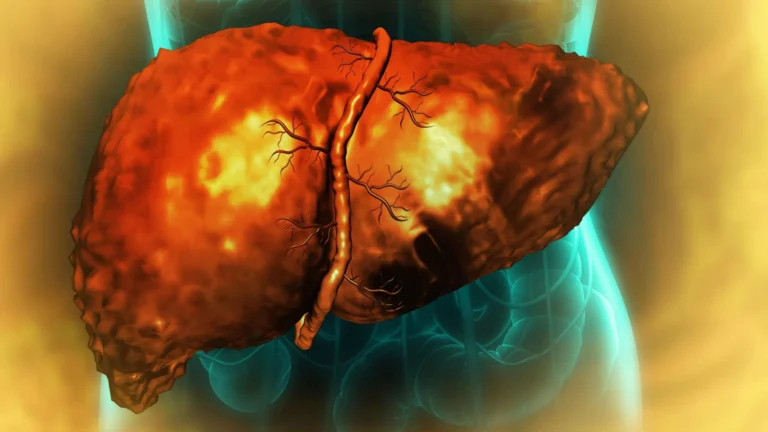
Further deepening their investigation, the team analyzed the activity of five specific genes located in the liver and intestines. These genes were selected for their known roles in inflammation, the maintenance of the gut barrier’s integrity, and overall metabolic processes. By scrutinizing these genetic targets, the researchers aimed to uncover potential epigenetic changes linked to gut function, inflammatory responses, and metabolic health. Such insights could offer mechanistic explanations for any observed negative effects associated with the consumption of non-nutritive sweeteners.
The findings revealed a complex and nuanced picture, demonstrating that sucralose and stevia did not exert identical effects, and that their influences varied across generations and even between sexes. In the first generation of offspring, metabolic disruptions manifested as impaired glucose tolerance, observed specifically in male descendants of mice that had consumed sucralose. By the second generation, the effects broadened: elevated fasting blood sugar levels were detected in male descendants of the sucralose-exposed group, and, interestingly, also in female descendants of the stevia-exposed group.
Both types of sweeteners were associated with alterations in the fecal microbiome, leading to an increase in microbial diversity. However, this increased diversity was accompanied by a reduction in the levels of beneficial short-chain fatty acids, suggesting a shift towards a less favorable microbial metabolic profile. This reduction in SCFA concentrations was not confined to the directly exposed animals but was also observed in both subsequent generations, highlighting a persistent impact on gut microbial function.
Notably, the effects attributed to sucralose were generally more pronounced and demonstrated greater persistence. Mice exposed to sucralose exhibited more substantial changes in the composition of their fecal microbiomes, characterized by an increased prevalence of potentially pathogenic bacteria and a decrease in beneficial species. Furthermore, sucralose appeared to upregulate the activity of genes associated with inflammation while simultaneously downregulating genes critical for normal metabolic function. These particular gene expression changes were remarkably durable, remaining detectable two generations after the original parental exposure. While stevia also induced alterations in gene expression, these changes were generally weaker in magnitude and did not extend beyond the first generation. Dr. Concha Celume summarized these generational trends, noting that the effects were typically strongest in the first generation, gradually attenuating in the second, but unequivocally, the impacts linked to sucralose demonstrated greater consistency and persistence across the successive generations.
The observed changes in glucose tolerance and gene expression, while not manifesting as overt diabetes in the mice, are interpreted by the researchers as crucial early biological signals indicative of underlying metabolic or inflammatory disturbances. These subtle shifts in how the body processes glucose and in the activity of genes governing inflammation and metabolic regulation suggest an increased susceptibility to full-blown metabolic disorders, especially when combined with other detrimental dietary factors, such as a high-fat diet. This underscores the idea that NNS might not directly cause disease but could prime the system for dysfunction under certain environmental stressors.
It is imperative to contextualize these findings within the broader scientific landscape. The researchers themselves emphasize that while their study reveals strong associations between NNS exposure and changes in metabolic health, it does not definitively prove direct causation for all observed effects. Furthermore, as an animal study conducted on mice, the biological responses to non-nutritive sweeteners may differ in humans. Despite these caveats, the research serves as a vital signal, urging the scientific community and public health officials to deepen investigations into the long-term, multi-generational impacts of these ubiquitous food additives.
The ultimate objective of such research is not to incite alarm, but to illuminate areas requiring further scrutiny. Dr. Concha Celume’s recommendation for moderation in the consumption of these additives, alongside a continued commitment to studying their complex biological effects over extended periods, encapsulates a prudent approach. As consumers increasingly seek ways to optimize their health and diet, a comprehensive understanding of every ingredient’s physiological footprint becomes paramount. This groundbreaking Chilean study significantly advances our understanding, moving the conversation about artificial sweeteners beyond simple caloric content to a more intricate discussion of gut health, epigenetics, and a potential legacy that transcends generations.
About the Author