Precision Immunotherapy Harnesses Cancer Combat Cells to Remission for Severe Rheumatoid Arthritis Patients.
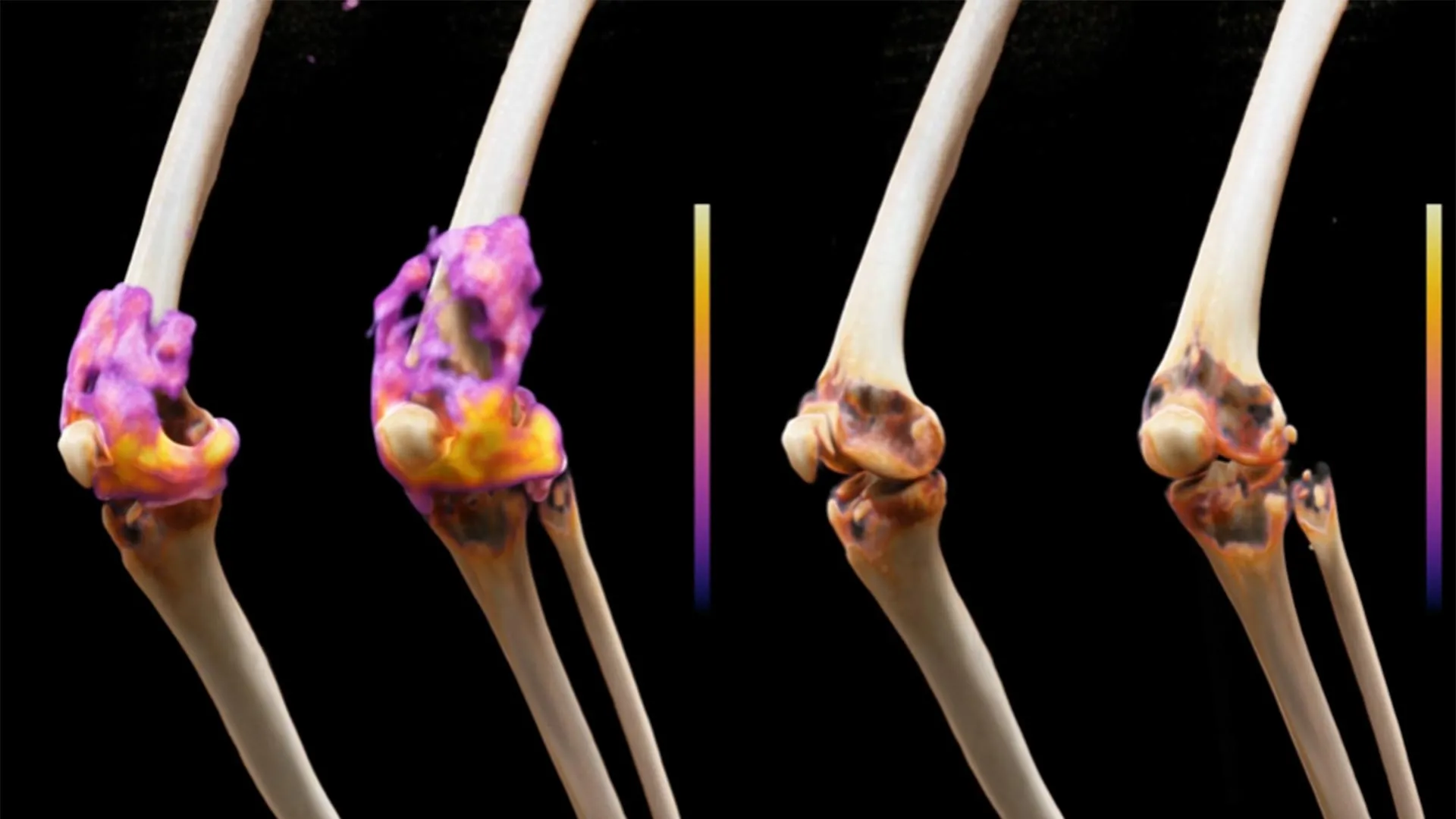
Originally conceived as a potent weapon against malignant cancers, a sophisticated form of personalized immunotherapy known as CAR T-cell therapy is now being rigorously explored for its transformative potential in combating debilitating autoimmune disorders, with early clinical trials revealing striking efficacy in individuals suffering from severe rheumatoid arthritis. This groundbreaking approach, which involves genetically engineering a patient’s own immune cells to precisely target and eliminate specific cellular culprits, has demonstrated a remarkable ability to induce profound remission in a small cohort of patients who had previously exhausted all conventional treatment avenues. The pioneering research, conducted by a team at Charité – Universitätsmedizin Berlin and published in the esteemed journal Nature Medicine, represents the world’s inaugural clinical investigation into this novel therapeutic strategy for rheumatoid arthritis, yielding results that have ignited considerable optimism within the medical and scientific communities.
Rheumatoid arthritis presents a formidable challenge in clinical practice due to its chronic and relentless nature, stemming from a complex autoimmune dysregulation where the body’s immune defenses mistakenly launch a persistent assault on its own joint tissues. This ongoing inflammatory process leads to characteristic swelling, escalating joint discomfort, and, if left unchecked, irreversible structural damage and functional impairment. While a spectrum of pharmaceutical interventions exists, designed to mitigate inflammation and modulate immune responses, these treatments are typically geared towards managing symptoms rather than offering a definitive cure. Consequently, a significant proportion of individuals diagnosed with rheumatoid arthritis require lifelong adherence to anti-inflammatory medications and immunosuppressants, a regimen that often carries a considerable burden of potential side effects and can still fall short of achieving complete disease control.
For a subset of patients, even the most advanced therapeutic modalities prove insufficient, a condition clinically defined as treatment-refractory rheumatoid arthritis. These individuals endure persistent pain, progressive loss of mobility, and a profound deterioration in their overall quality of life, despite undergoing multiple lines of treatment. The underlying complexity of this refractory disease is thought to involve the persistence of specific immune cells, identified as disease-driving B cells. These specialized lymphocytes, integral to the adaptive immune system, may lie dormant in various bodily sanctuaries, including lymph nodes, bone marrow, and the inflamed joint tissues themselves, long after an initial trigger has passed. Within these protected niches, they are believed to continue producing autoantibodies – misguided proteins that erroneously target the body’s own healthy tissues, thereby perpetuating the cycle of inflammation and joint destruction.
The central hypothesis guiding the Berlin-based research team, led by Professor David Simon and Professor Gerhard Krönke from Charité’s Department of Rheumatology and Clinical Immunology, is that CAR T cells possess the capability to actively seek out and eradicate these elusive disease-driving B cells, even when they are deeply embedded within the complex architecture of bodily tissues. By achieving a comprehensive elimination of this aberrant B-cell memory population, the therapeutic objective is to effectively “reset” the immune system, allowing it to rebuild a healthier, non-autoimmune repertoire of immune cells.
The genesis of CAR T-cell therapy lies firmly in the realm of oncology, where its efficacy in targeting and destroying cancer cells has been well-established. The fundamental principle involves harvesting a patient’s T cells, a critical component of the immune system responsible for identifying and neutralizing foreign invaders or abnormal cells. In a sophisticated laboratory process, these T cells are then genetically engineered to express a chimeric antigen receptor (CAR). This artificial receptor is meticulously designed to act as a highly specific "homing device," enabling the modified T cells to recognize and bind to a particular marker present on the surface of target cells.
For the purpose of treating rheumatoid arthritis, the researchers have identified the CD19 molecule as a key target. CD19 serves as a common surface protein found on a broad range of B cells, including both the malignant B cells implicated in certain blood cancers and the disease-driving B cells contributing to autoimmune conditions like rheumatoid arthritis. Professor Simon likens CD19 to a unique “name tag” that allows the CAR T cells to distinguish their intended targets. By equipping the patient’s T cells with a CAR engineered to recognize CD19, the therapy creates a highly precise mechanism for identifying and eliminating the problematic B cells responsible for rheumatoid arthritis pathology.
The production of this specialized CD19 CAR T-cell therapy commences with the collection of T cells from the patient’s peripheral blood. Subsequently, these T cells undergo genetic modification in a controlled laboratory environment. This intricate process introduces the genetic instructions for producing the CAR, transforming the T cells into potent cellular assassins specifically programmed to seek out and destroy CD19-positive cells. Prior to the infusion of these reprogrammed immune cells, patients are administered a brief course of preparatory chemotherapy. This conditioning regimen serves to temporarily reduce the population of certain immune cells, thereby creating an optimal environment for the infused CAR T cells to expand, persist, and exert their therapeutic effect without immediate competition.
Once the genetically engineered CAR T cells are reintroduced into the patient’s bloodstream via a single intravenous infusion, they embark on a targeted mission. Their primary objective is to locate and eliminate all cells expressing the CD19 marker. This action effectively leads to a temporary but profound depletion of CD19-positive B cells throughout the body. Crucially, this includes the long-lived, disease-driving B cells that often reside in protected sites within the joints and other tissues, making them notoriously difficult to access with conventional therapies. By clearing these entrenched B cells, the treatment creates an opportunity for the immune system to undergo a fundamental reset, potentially re-establishing a state of immune tolerance.
The landmark clinical trial at Charité was meticulously designed to evaluate both the safety and the efficacy of CD19 CAR T-cell therapy in patients grappling with severe, treatment-resistant rheumatoid arthritis. The initial phase of the investigation enrolled six participants, chosen for the severity of their disease and their lack of response to numerous prior treatments. This carefully selected group comprised three men and three women, with ages ranging from 31 to 69 years. Collectively, these individuals had undergone treatment with up to eight different targeted or biologic therapies over the preceding decade, yet none had achieved satisfactory control of their rheumatoid arthritis symptoms. The primary research questions focused on whether the CAR T cells could effectively infiltrate the joints to reach the disease-driving B cells and whether this approach could be administered safely.
The outcomes of this initial phase, referred to as the COMPARE trial, have been described as exceptionally encouraging by the research team. Professor Krönke, who leads a joint research group at Charité and the German Rheumatology Research Center (DRFZ), reported that all six patients experienced a substantial reduction in disease activity. Over a follow-up period extending up to one year, a remarkable three of these participants achieved sustained remission, meaning they were entirely free of rheumatoid arthritis symptoms and required no further medication. This achievement is particularly noteworthy, considering the profound recalcitrance of their disease to all previously attempted treatments.
The therapeutic impact of the CAR T-cell intervention appeared to extend beyond a mere transient suppression of inflammation. Investigators observed that the engineered immune cells successfully penetrated deep tissue reservoirs, including the bone marrow, lymph nodes, and joint tissue, effectively clearing the pathological B cells that fuel the disease. During regular monitoring over the subsequent 12 months, a significant decline was noted in the levels of autoantibodies specifically associated with rheumatoid arthritis. Professor Simon further elaborated that as the B-cell population eventually regenerated, it was predominantly comprised of naive B cells, which had not been exposed to the autoimmune process. In stark contrast, the autoantibody-producing B cells that were present before treatment were no longer detectable in nearly all patients, a compelling indication that the therapy may indeed be capable of resetting the aberrant immune memory.
A critical finding that underscores the specificity and safety of the treatment is the preservation of protective immune memory. While the therapy induced a profound temporary depletion of B cells, antibodies generated from earlier vaccinations, such as those for chickenpox and tetanus, remained detectable. This suggests that the CAR T-cell therapy primarily targeted the pathogenic B cell population without compromising the body’s ability to recall and respond to established immunizations. Nevertheless, further research is imperative to ascertain any long-term implications of this profound B-cell depletion on the overall immune system’s resilience and functionality.
The preliminary results of this trial strongly suggest that a single administration of CAR T-cell therapy can, in select individuals, induce a prolonged period of symptom-free remission from rheumatoid arthritis, thereby eliminating the need for ongoing medication. This state of profound disease inactivity, known as remission, offers a tantalizing glimpse into a future where the underlying pathological immune memory could be directly reprogrammed, halting the relentless inflammatory cascade rather than merely suppressing its manifestations with chronic drug use. However, it is crucial to emphasize that CAR T-cell therapy for autoimmune diseases, including rheumatoid arthritis, remains an experimental treatment. The medical community possesses limited long-term data regarding its sustained effects and potential late-onset complications.
Furthermore, the treatment response was not uniform across all participants. While three achieved complete remission, others experienced varying degrees of improvement, and one patient’s disease unfortunately recurred after an initial period of medication-free remission. Despite these variations, the observed safety profile has been deemed encouraging by the researchers. Dr. Marie Luise Hütter-Krönke, Medical Director of the Hematology Early Clinical Trial Unit at Charité, reported that all participants experienced a temporary, mild-to-moderate cytokine release syndrome (CRS), a known potential side effect of CAR T-cell therapy, which was effectively managed. Importantly, no severe neurological complications or other serious adverse events were observed, and the incidence of infections was notably low.
The next crucial step in this research endeavor is the commencement of the second phase of the COMPARE trial. This expanded study will enroll an additional ten patients and will feature a direct comparison between CAR T-cell therapy and a currently approved rheumatoid arthritis medication that also targets B cells. This comparative arm is designed to rigorously assess whether CAR T cells offer superior efficacy, more durable responses, or a more profound reset of immune memory compared to existing B-cell-targeted therapies. If the promising results observed in this initial phase are further substantiated in larger, more comprehensive studies, CD19 CAR T-cell therapy could emerge as a vital new therapeutic option for individuals afflicted with severe rheumatoid arthritis whose lives are profoundly impacted by the disease and for whom current treatment strategies are inadequate.
The initial phase of the COMPARE study was strategically designed to meticulously assess the safety and preliminary effectiveness of CD19 CAR T-cell therapy in patients with treatment-resistant rheumatoid arthritis. This significant research undertaking involved substantial contributions from multiple esteemed institutions, including Charité’s Department of Rheumatology and Clinical Immunology, its Department of Hematology, Oncology and Cancer Immunology at Campus Benjamin Franklin, scientists from the Cluster of Excellence ImmunoPreCept, the German Rheumatology Research Center (DRFZ) – a Leibniz Institute, and the Fraunhofer Institute for Translational Medicine and Pharmacology ITMP. The study was initiated and conceptualized at Charité and also received vital support from Kyverna Therapeutics, a company specializing in immunotherapy. It is important to note that Kyverna Therapeutics played no role in the design, data collection, analysis, or presentation of the study’s findings, underscoring the independent and rigorous nature of the research.

Related News