
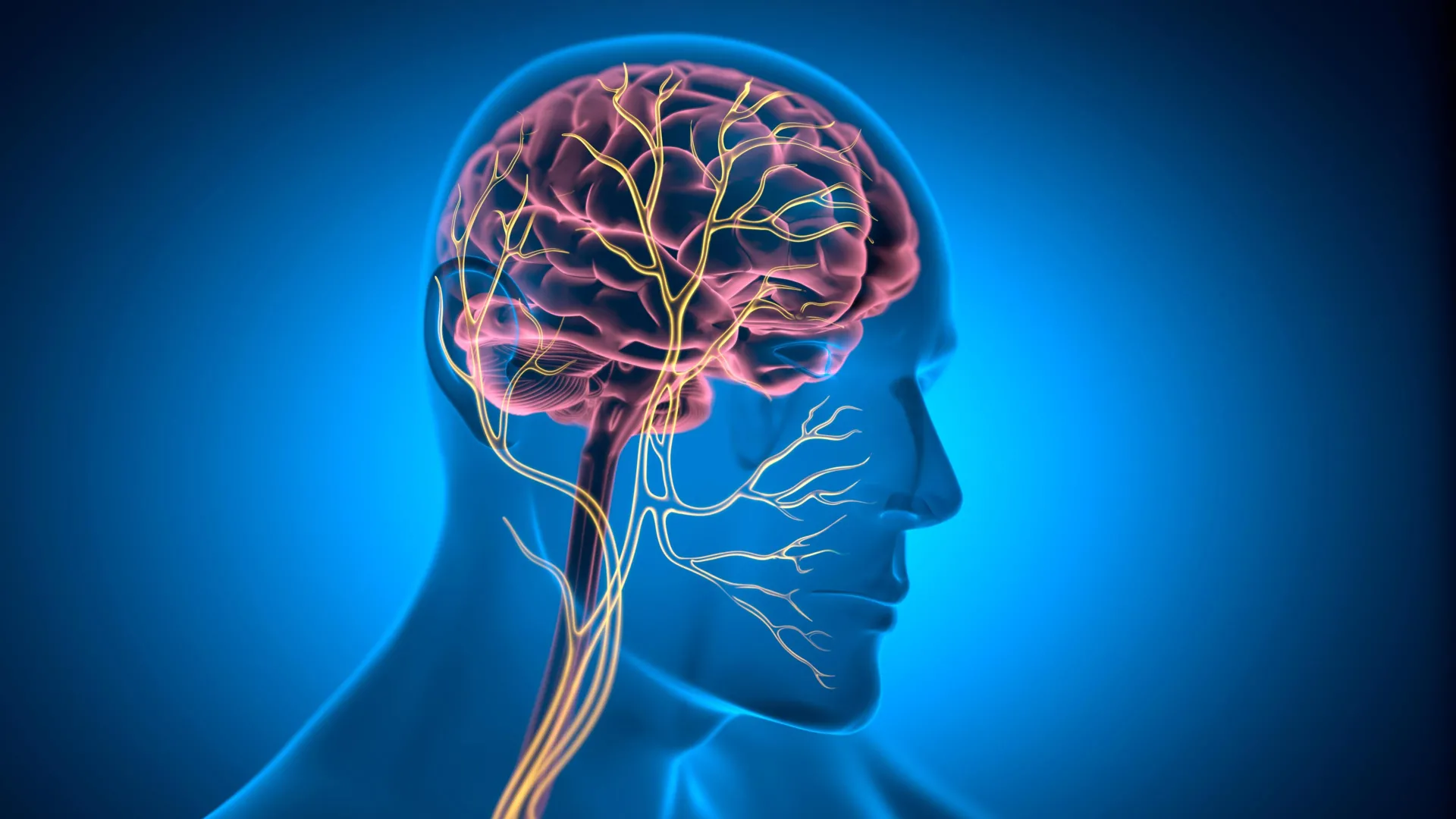
A groundbreaking scientific investigation, spearheaded by researchers at the Sant’Anna School of Advanced Studies in Pisa, has illuminated the profound influence of the vagus nerve, specifically its connection to the heart, on the aging process of this vital organ. Published in the esteemed journal Science Translational Medicine, the study’s findings indicate that the preservation of vagal nerve pathways, particularly on the right side of the heart, plays a pivotal role in safeguarding myocardial cells and fostering sustained cardiovascular health, irrespective of fluctuations in heart rate. This research moves beyond conventional understanding by identifying a subtle yet powerful biological mechanism that could redefine approaches to cardiac care and longevity.
The genesis of this significant study involved a sophisticated fusion of disparate scientific disciplines, synergizing experimental medicine with cutting-edge bioengineering techniques within the realm of cardiovascular research. The Translational Critical Care Unit (TrancriLab) of the Interdisciplinary Research Center Health Science, under the distinguished leadership of Professor Vincenzo Lionetti, orchestrated this complex endeavor. A crucial element of the research was facilitated by the Biorobotics Institute, directed by Professor Silvestro Micera, which ingeniously developed a bioabsorbable nerve conduit. This innovative device was engineered to support and encourage the regeneration of the vagus nerve, a testament to the power of interdisciplinary innovation.
This extensive experimental work was meticulously conducted in Pisa, benefiting from substantial financial backing. The European FET (Future and Emerging Technologies) program, through its NeuHeart project, provided essential funding, complemented by partial support from PNRR funds allocated by the Tuscany Health Ecosystem. The collaborative spirit of the project extended globally, uniting a formidable network of preeminent institutions. This included not only prominent Italian entities such as the Scuola Normale Superiore, the University of Pisa, the Fondazione Toscana G. Monasterio, and the Institute of Clinical Physiology of the CNR, but also international collaborators like the University of Udine, GVM Care & Research, Al-Farabi Kazakh National University, the Leibniz Institute on Ageing in Jena, and the École Polytechnique Fédérale de Lausanne. This broad coalition of expertise underscores the multifaceted nature of the challenge and the ambition of the research.
The implications of a compromised vagal nerve connection to the heart are substantial and far-reaching. Professor Lionetti elaborates on this critical aspect, stating, "When the integrity of the connection to the vagus nerve is lost, the heart ages more rapidly." This assertion highlights a direct correlation between vagal nerve function and the rate at which the heart exhibits signs of aging. This aging process can manifest in various ways, including a decline in the heart’s ability to contract effectively, an increase in stiffness of the cardiac muscle, and a greater susceptibility to damage from various stressors. The vagus nerve, as the longest cranial nerve, acts as a crucial communication channel between the brain and many of the body’s organs, including the heart, influencing a wide array of physiological functions. Its role in regulating heart rate, blood pressure, and inflammation makes its connection to the heart particularly vital for maintaining cardiovascular homeostasis.
Intriguingly, the research team discovered that achieving full nerve regeneration is not a prerequisite for observing beneficial effects on cardiac health. Anar Dushpanova, a cardiologist affiliated with TrancriLab, explained, "Even partial restoration of the connection between the right vagus nerve and the heart is sufficient to counteract the mechanisms of remodelling and preserve effective cardiac contractility." This finding is profoundly significant, suggesting that even limited functional recovery of the vagal nerve can yield tangible improvements in cardiac performance. Cardiac remodeling, a process where the heart changes its size, shape, and structure in response to injury or stress, can lead to impaired function and heart failure. The ability of even a partially restored vagal connection to mitigate these detrimental remodeling processes offers a promising therapeutic avenue. This suggests that interventions aimed at bolstering vagal nerve function, even if not fully restorative, could still provide substantial clinical benefits.
The pivotal role of bioengineering in unlocking these groundbreaking insights cannot be overstated. Eugenio Redolfi Riva, a co-author of the patent for the neuroprosthesis developed at the Biorobotics Institute, detailed the technological advancements. "We have developed an implantable bioabsorbable nerve conduit designed to promote and guide the spontaneous regeneration of the thoracic vagus nerve at the cardiac level," he stated. This ingenious bioabsorbable conduit acts as a scaffold, creating an optimal environment for the damaged vagus nerve fibers to regrow and re-establish their connection with the heart. The "bioabsorbable" nature of the material means that it gradually dissolves within the body over time, leaving behind the regenerated nerve tissue without the need for subsequent removal, thereby minimizing invasiveness and potential complications. This represents a significant leap forward in regenerative medicine, offering a targeted and effective solution for nerve repair.
The ramifications of these findings extend directly to the forefront of cardiothoracic and transplant surgery, promising to reshape established clinical practices. Professor Lionetti articulates the profound implications, concluding, "Taken together, these results open new perspectives for cardiothoracic and transplant surgery, suggesting that restoring cardiac vagal innervation at the time of surgery may represent an innovative strategy for long-term heart protection, shifting the clinical paradigm from managing late complications associated with premature cardiac aging to their prevention." This suggests a paradigm shift in how cardiac surgeons approach procedures. Instead of solely focusing on the immediate surgical outcome, there is now a compelling argument for actively intervening to restore vagal nerve function during surgery itself. This proactive approach, by preventing or significantly delaying the onset of premature cardiac aging, could dramatically improve the long-term prognosis for patients undergoing cardiac procedures, reducing the burden of chronic heart disease and enhancing overall quality of life. The concept of preventing aging-related complications before they manifest represents a significant advancement in medical philosophy, moving from a reactive to a truly preventive model of care. This research not only provides a deeper understanding of cardiac physiology but also offers tangible, bioengineered solutions for enhancing the longevity and resilience of the human heart.
About the Author












