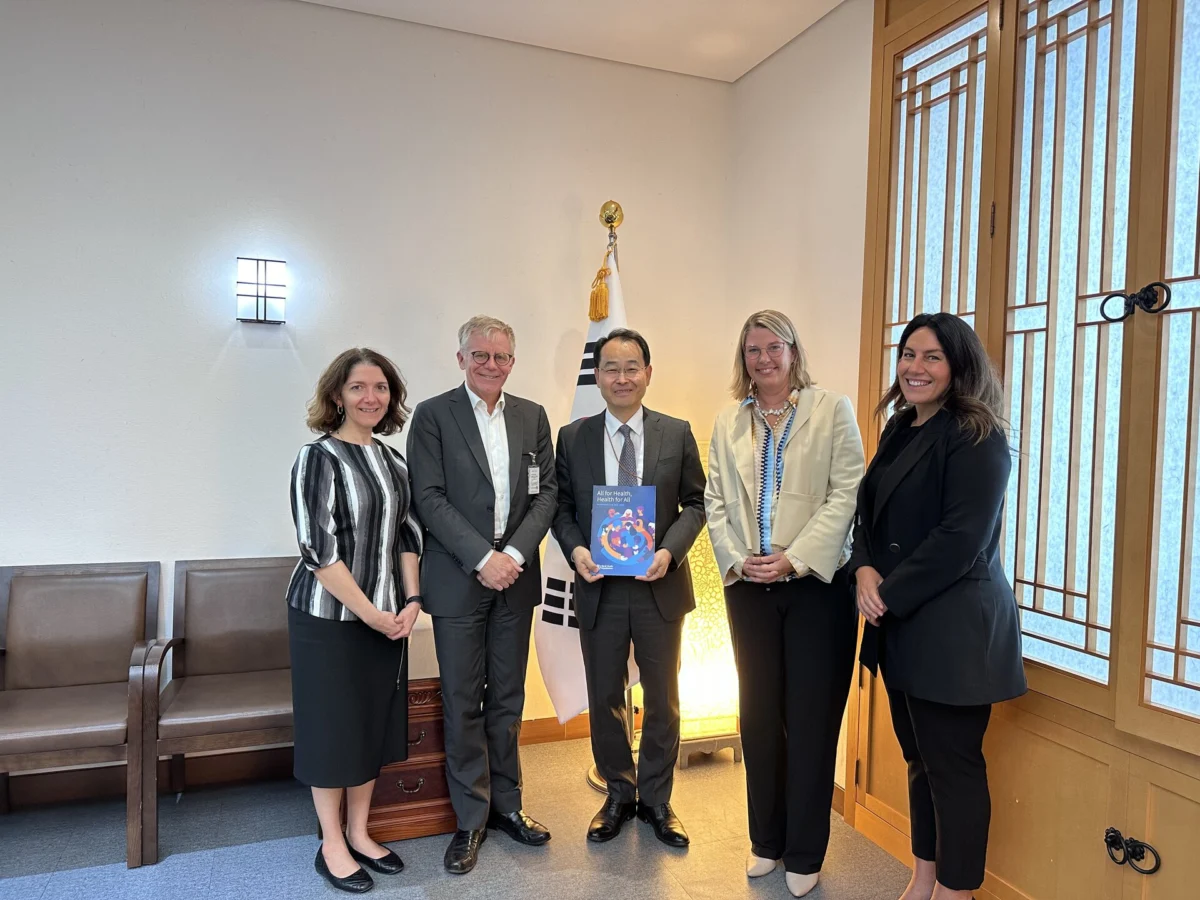
Seoul, Republic of Korea – A pivotal two-day Strategic Dialogue between the World Health Organization (WHO) and the Republic of Korea concluded on August 29, 2024, in Seoul, marking a significant step in fortifying their enduring collaboration to address pressing global health challenges. This second high-level engagement underscored a mutual commitment to advancing international health security, fostering equitable access to care, and shaping future global health policies. The discussions, held from August 28-29, aimed to synchronize strategic priorities and catalyze enhanced joint initiatives between the global health body and the East Asian nation, which has emerged as a crucial player on the world stage.
The partnership between the World Health Organization and the Republic of Korea spans an impressive seventy-five years, a testament to a robust and evolving relationship that has witnessed significant transformations in global health paradigms. This long-standing alliance is built upon a foundation of shared goals, initially focused on post-war recovery and basic health infrastructure development within Korea, and now extending to complex global health governance and humanitarian efforts worldwide. Over this extensive period, the nature of their engagement has dynamically shifted, reflecting Korea’s remarkable socio-economic development and its subsequent rise as a prominent advocate for global well-being.
Decades ago, following the devastation of the Korean War, the Republic of Korea stood as a significant recipient of international aid, including vital health assistance from organizations like the WHO. During this period, the nation grappled with pervasive infectious diseases, rudimentary healthcare systems, and widespread poverty. WHO’s early involvement provided critical technical guidance, support for disease control programs, and assistance in establishing foundational public health infrastructure, contributing significantly to the gradual improvement of health outcomes across the peninsula. This era laid the groundwork for a robust public health system and instilled a deep appreciation for international cooperation in addressing health crises.
Through concerted national efforts and an extraordinary economic transformation often referred to as the "Miracle on the Han River," the Republic of Korea rapidly ascended from its recipient status. By the late 20th century, its economic prowess allowed it to transition into a significant donor country. This shift represented not merely a change in financial contributions but a fundamental reorientation of its international role. Korea began channeling its resources and burgeoning expertise into supporting health initiatives in developing nations, contributing to global vaccination campaigns, maternal and child health programs, and strengthening health systems in various regions. This period solidified its commitment to global solidarity and shared responsibility in health.
Today, the Republic of Korea stands as a recognized leader in global health, actively shaping international health agendas and contributing innovative solutions to complex challenges. Its journey from a beneficiary to a benefactor provides a unique and powerful perspective, enabling it to advocate for practical, sustainable, and equitable approaches to global health issues. Korea’s leadership is evidenced by its substantial contributions to multilateral health funds, its proactive role in initiatives like the Coalition for Epidemic Preparedness Innovations (CEPI) and COVAX, and its commitment to strengthening global health security architecture, particularly in the wake of recent pandemics. The nation’s advanced capabilities in digital health, biomedical research, and rapid diagnostic technologies further position it as an indispensable partner in navigating the future of global health.

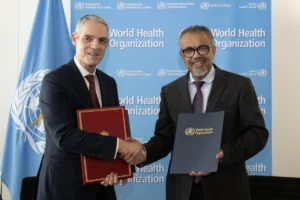
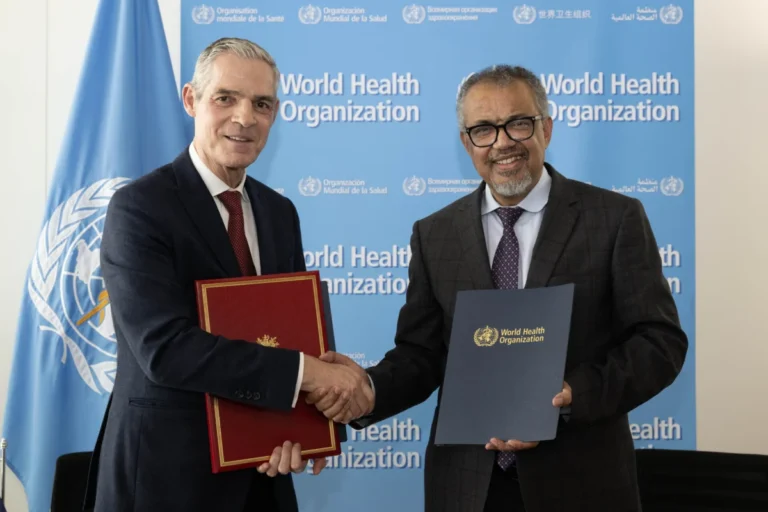
The recent Strategic Dialogue brought together high-level representatives from both organizations, underscoring the gravity of the discussions. Leading the World Health Organization’s delegation was Dr. Catharina Boehme, Assistant Director-General for External Relations and Governance. Her team included an in-person contingent augmented by virtual participants from various levels of the organization, encompassing headquarters, regional offices, and country-level operations. This multi-tiered representation ensured a comprehensive perspective, integrating insights from policy-making, regional implementation, and direct community engagement.
The Republic of Korea’s delegation was spearheaded by Dr. Hye-Jin Kim, Deputy Minister for Planning and Coordination at the Ministry of Health and Welfare. The breadth of Korean government participation highlighted the cross-sectoral nature of global health. Key officials included Dr. Young-Mee Jee, Commissioner of the Korea Disease Control and Prevention Agency (KDCA), whose expertise in infectious disease surveillance and response is globally recognized. Senior counterparts from the Ministry of Foreign Affairs were also present, emphasizing the diplomatic and international cooperation dimensions of health. Furthermore, representatives from the Ministry of Food and Drug Safety underscored the nation’s commitment to robust regulatory frameworks and product safety, essential components of global health security.
A crucial aspect of the WHO delegation’s visit involved engaging with members of the Republic of Korea’s National Assembly. This outreach signifies WHO’s strategic effort to cultivate stronger relationships with parliamentarians, recognizing their critical role in shaping national policies, allocating budgetary resources, and championing the global health agenda within their respective legislative bodies. Such interactions are vital for garnering political will, ensuring legislative support for international health commitments, and translating global health priorities into tangible national actions and investments.
While specific detailed outcomes beyond "alignment of priorities" were not immediately disclosed, the composition of the delegations and the global health landscape suggest several key areas of discussion. Pandemic preparedness and response would undoubtedly have been a central theme. Leveraging Korea’s highly effective strategies during recent health crises, discussions likely focused on enhancing global surveillance systems, strengthening early warning mechanisms, improving vaccine and therapeutic development pathways, and ensuring equitable distribution during future outbreaks. The KDCA’s presence signals a strong emphasis on practical, operational aspects of disease control.
Universal Health Coverage (UHC) would also have featured prominently. Korea’s success in achieving comprehensive UHC serves as a powerful model for many nations. The dialogue likely explored ways to share Korea’s experiences, technical expertise, and policy frameworks to assist other countries in developing sustainable and inclusive health financing and delivery systems. The emphasis on primary healthcare and robust public health infrastructure, core tenets of Korea’s UHC journey, would have been key discussion points.
Furthermore, given Korea’s technological leadership, discussions would have explored the burgeoning field of digital health. This encompasses leveraging artificial intelligence for diagnostics, telemedicine solutions for remote populations, big data analytics for public health decision-making, and the development of secure health information systems. Collaborative initiatives aimed at harnessing these innovations to bridge health disparities and enhance healthcare efficiency globally would have been high on the agenda.

Emerging global health threats, such as the health impacts of climate change and the growing challenge of antimicrobial resistance, likely formed part of the strategic conversations. The dialogue would have sought avenues for joint research, policy advocacy, and capacity building to mitigate these complex, interconnected issues. Ensuring equitable access to essential medicines, vaccines, and health technologies, particularly for vulnerable populations, would also have been a foundational principle guiding these discussions.
The "alignment of priorities" resulting from this second Strategic Dialogue paves the way for a more cohesive and impactful collaboration. This suggests the identification of shared objectives and a commitment to coordinating efforts and resources towards specific global health targets. This alignment could manifest in joint work plans, coordinated funding initiatives for global health programs, and shared advocacy positions in international forums, amplifying the collective voice and influence of both WHO and the Republic of Korea.
The promise of "enhanced collaboration" signifies a deepening of their working relationship beyond financial contributions. This could involve joint research projects, the secondment of Korean experts to WHO initiatives, co-development of training programs for health professionals in developing countries, or pilot projects demonstrating innovative health solutions. Such intensified cooperation is crucial for translating strategic alignment into tangible improvements in global health outcomes, particularly in areas like pandemic prevention, health system strengthening, and equitable access to essential health services.
In conclusion, the Strategic Dialogue between the Republic of Korea and the World Health Organization represents a critical juncture in their long-standing partnership. By reaffirming their commitment and strategically aligning their efforts, both entities are poised to play an even more significant role in tackling the complex and interconnected health challenges of the 21st century. Korea’s unique trajectory from a health aid recipient to a global health leader, combined with WHO’s universal mandate, positions this collaboration as a beacon of international solidarity and an essential force in striving towards a healthier, more equitable world for all.
About the Author