Leveraging Personal Strengths Correlates with Enhanced Psychological Resilience in Adults with Attention-Deficit/Hyperactivity Disorder.
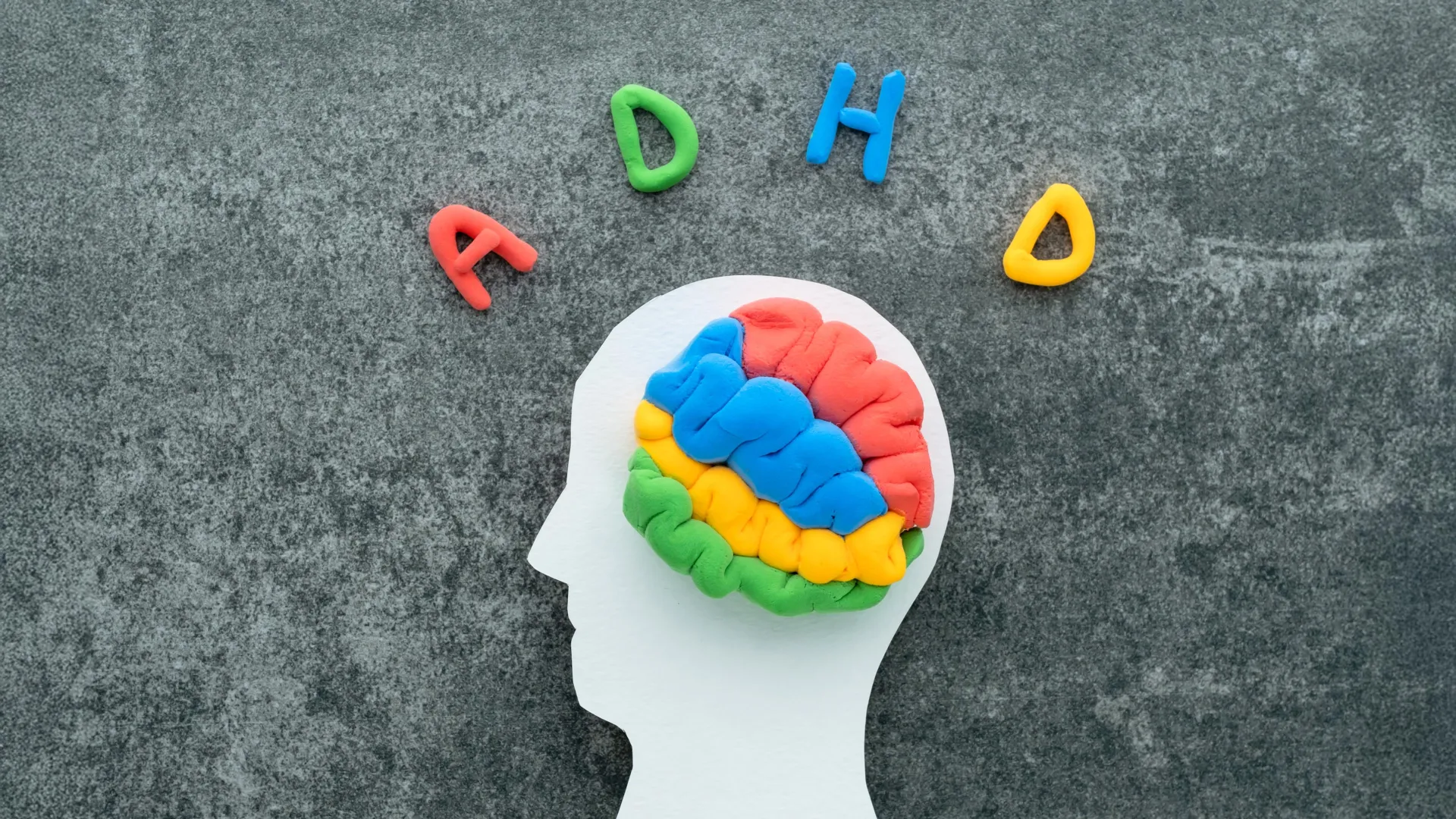
A comprehensive international investigation has revealed a significant correlation between adults diagnosed with Attention-Deficit/Hyperactivity Disorder (ADHD) who possess an awareness of their inherent strengths and actively employ these attributes, and a subsequent improvement in their overall sense of well-being, a higher perceived quality of life, and a reduction in mental health-related difficulties. This groundbreaking research, disseminated during October’s ADHD Awareness Month—an initiative this year themed "the many faces of ADHD"—was the culmination of a collaborative effort involving researchers from the University of Bath, King’s College London, and the Radboud University Medical Center in the Netherlands, marking the most extensive endeavor to date to quantify the psychological assets associated with ADHD.
The study, which was published in the esteemed journal Psychological Medicine, involved a comparative analysis of two distinct cohorts, each comprising 200 participants. One group consisted of adults formally diagnosed with ADHD, while the control group comprised adults without an ADHD diagnosis. Participants were tasked with indicating the degree to which they identified with a curated list of 25 positive personal characteristics, which included attributes such as creativity, a sense of humor, spontaneity, and the capacity for hyperfocus, with these traits being operationally defined by the researchers as "abilities or qualities that individuals perceive themselves to excel at or perform optimally."
While the prevailing discourse surrounding ADHD often centers on its associated challenges, such as impulsivity, forgetfulness, and difficulties in maintaining sustained attention, this particular study introduces a paradigm shift by underscoring the profound importance of acknowledging and actively utilizing the strengths inherent in individuals with ADHD. Luca Hargitai, the lead investigator affiliated with the Department of Psychology at the University of Bath, articulated the significance of these findings, stating, "These compelling results offer valuable insights into the positive qualities that may be intrinsically linked to ADHD, thereby positioning them as ADHD-related strengths. It can be profoundly empowering to recognize that, notwithstanding the various challenges with which ADHD is associated, it also possesses a multitude of beneficial aspects."
A key revelation from the research indicates that individuals diagnosed with ADHD were demonstrably more inclined to strongly identify with ten specific strengths when contrasted with their neurotypical counterparts. Although the original report does not explicitly enumerate these ten strengths, the implication is that a distinct profile of positive attributes is more frequently recognized and endorsed by adults with ADHD. Furthermore, the study found that despite the widely documented adversities that adults with ADHD frequently encounter in professional settings, interpersonal relationships, and in managing their mental health, they exhibited an equal propensity as neurotypical individuals to recognize and integrate their strengths into their daily routines.
The research further illuminated a consistent pattern across both study groups: individuals who possessed a more acute awareness of their personal strengths and who applied these strengths with greater frequency reported tangible improvements in their psychological well-being. These reported benefits encompassed a greater sense of self-efficacy, enhanced emotional regulation, improved problem-solving capabilities, and a more positive outlook on life. Dr. Punit Shah, a senior author of the study and an Associate Professor of Psychology at the University of Bath, elaborated on this crucial aspect, remarking, "Our findings underscore the principle that an awareness of possessing certain skills and positive attributes, coupled with their judicious application, can significantly contribute to an individual’s overall well-being. While this assertion may appear self-evident, our research now provides empirical validation for this hypothesis, paving the way for the development of psychological support interventions informed by this novel evidence."
These findings lend considerable weight to the growing advocacy for strengths-based methodologies within mental health care frameworks. Although this approach has gained traction and is increasingly being implemented within services catering to individuals with autism, its adoption and exploration in the context of ADHD care has been comparatively limited. The potential applications of this strengths-based perspective are multifaceted, including the development of psychoeducational programs designed to foster self-awareness, personalized coaching initiatives aimed at leveraging individual talents, and tailored therapeutic interventions that assist individuals in identifying and more effectively deploying their unique strengths.
Dr. Shah further articulated the trajectory of future research, stating, "Our immediate next step is to rigorously investigate whether interventions specifically designed to promote the recognition and utilization of personal strengths can yield measurable improvements in the mental well-being of adults with ADHD. This endeavor aligns with long-standing calls from individuals with ADHD and other neurodivergent populations, and we are enthusiastic about contributing some of the foundational research to support these critical advancements."
Assistant Professor Martine Hoogman of Radboud University Medical Center in the Netherlands, another senior author on the study, emphasized that the exploration of ADHD-related strengths is a continuously evolving field of inquiry. She highlighted a methodological limitation in many prior studies, noting that they predominantly focused on participants diagnosed with ADHD. "Research into ADHD-related strengths is still in its nascent stages," Professor Hoogman explained. "While most investigations have solicited input solely from individuals with ADHD regarding their strengths, our study also incorporated the perspectives of neurotypical individuals. We observed that individuals without ADHD acknowledge many of the same strengths, although it is those with ADHD who more consistently endorse certain attributes. This comparative approach is instrumental in fostering a more nuanced understanding of ADHD-related strengths." She concluded by underscoring the vital importance of educating individuals with ADHD not only about the challenges they may face but also about their potential strengths, thereby facilitating an enhanced quality of life and mitigating risks in academic and professional pursuits.
The research underpinning this study received vital financial support from both the UK Economic and Social Research Council and the Dutch Research Council, underscoring the international commitment to advancing our understanding of ADHD and its multifaceted presentations.
Related posts:

Related News