In the American South, the morning meal transcends mere sustenance; it is a cherished cultural institution, a daily ritual deeply interwoven with family life, community gatherings, and the region’s culinary heritage. This gastronomic tradition emphasizes hearty, home-style cooking, robust coffee, and the unhurried conviviality that defines Southern hospitality. The consistency and familiarity offered by local dining spots transform them into more than just places to eat; they become integral fixtures in people’s routines and memories. Therese Buchanan, an Atlanta-based home chef, food blogger, and recipe developer behind Tessie’s Table, observes this phenomenon firsthand, explaining, "Southern breakfast establishments often anchor themselves in individuals’ lives, becoming synonymous with daily habits, weekend schedules, and dependable menus that rarely waver." This sentiment highlights a profound regional preference for establishments that consistently deliver a comforting and predictable experience.
The Southern breakfast landscape is rich and diverse, dotted with countless eateries, from quaint, independent diners to expansive chain restaurants. Yet, a select few chain operations have distinguished themselves, earning a special place in the hearts of locals for their ability to evoke the warmth and familiarity of a home-cooked meal. These establishments skillfully balance the efficiency and accessibility of a chain with the authentic flavors and welcoming atmosphere that Southerners expect from their breakfast spots. They serve as reliable havens, offering an inviting start to the day, whether it’s a quick solo stop before work or a leisurely gathering with loved ones.
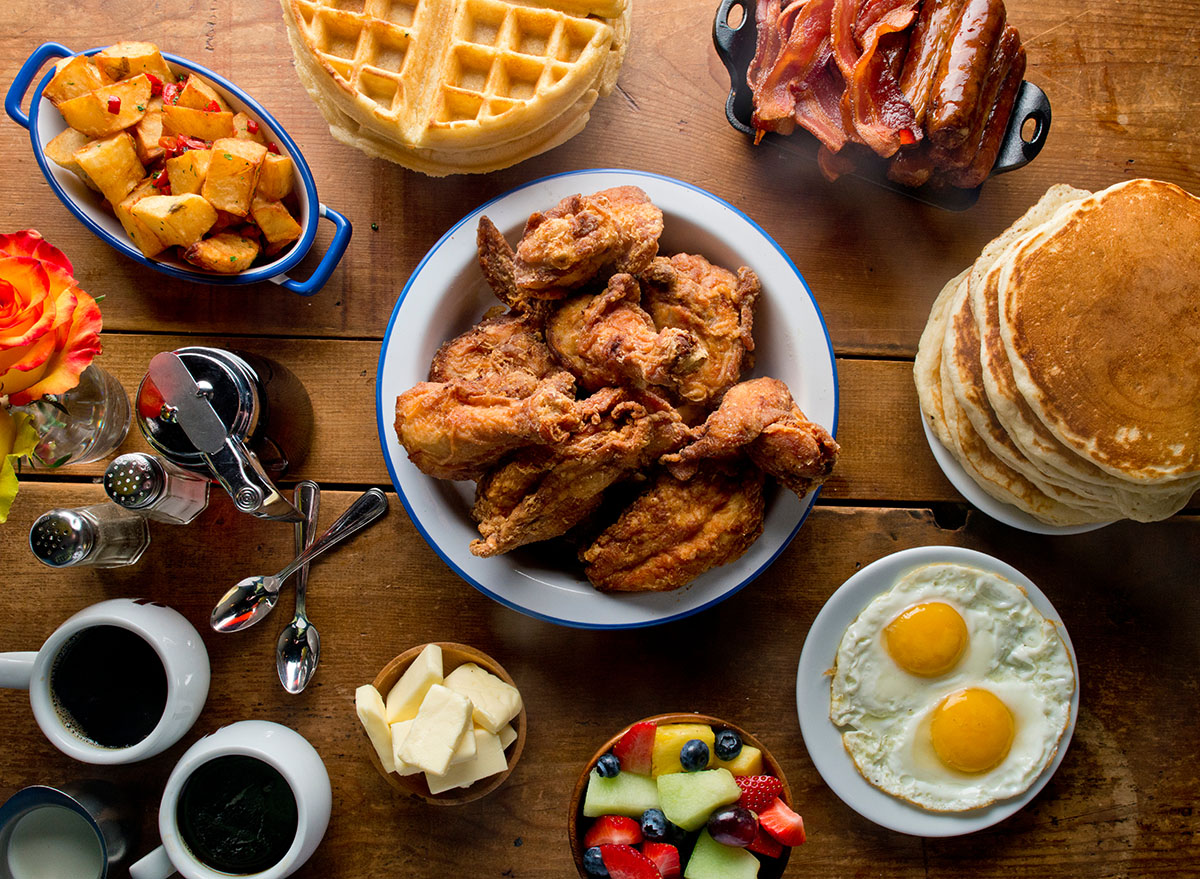
Among the myriad options, five specific chains are frequently cited by Southern residents, including Buchanan, as epitomizing the region’s breakfast ideals. These establishments, while varying in their specific offerings and ambiance, collectively represent the diverse facets of Southern breakfast culture, from the no-frills, always-open diner to the elevated, contemporary brunch destination.
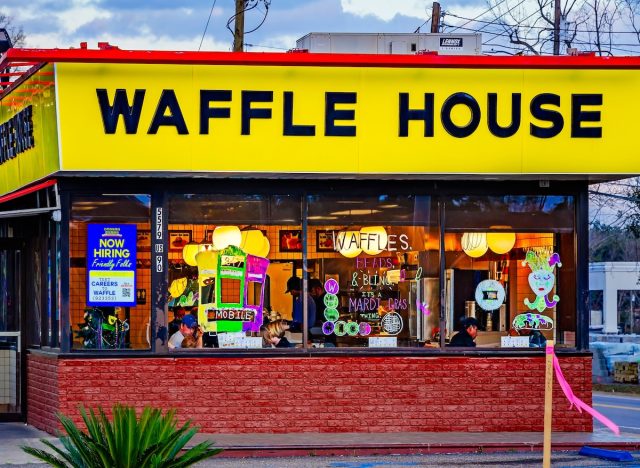
One of the most instantly recognizable and culturally significant establishments in the Southern breakfast lexicon is Waffle House. Originating in Avondale Estates, Georgia, in 1955, Waffle House has expanded into an omnipresent fixture across the South, operating over 1,900 locations primarily in the region. Its enduring appeal lies in its unwavering commitment to simplicity, affordability, and round-the-clock availability. The restaurant’s distinctive yellow sign is a beacon for many, signifying a place where one can always find a hot meal, regardless of the hour. This constant presence has even led to its unofficial use as an indicator of disaster severity—the "Waffle House Index"—a testament to its remarkable resilience and dedication to remaining open.
Buchanan emphasizes the foundational principle behind Waffle House’s success: "It thrives on delivering straightforward breakfast fare prepared identically every single time." She elaborates that patrons appreciate the certainty of knowing precisely what they will receive—a quick, satisfying, and consistently familiar meal. This reliability, she adds, underpins its popularity as a go-to spot at any hour, from the earliest morning to the late-night and everything in between. The menu, though seemingly simple, offers customizable options, particularly for its famed hash browns, which can be ordered "smothered" with onions, "covered" with cheese, "chunked" with ham, and more, allowing a personal touch within a standardized framework. This blend of predictability and minor personalization fosters a deep sense of loyalty among its diverse clientele, ranging from truckers and shift workers to college students and families.
Shifting to a more artisanal, yet still accessible, experience, Maple Street Biscuit Company has carved out a niche with its singular focus on elevated biscuit-centric dishes. Founded in Jacksonville, Florida, in 2012, this chain rapidly gained traction for its innovative takes on the classic Southern biscuit. Unlike the traditional diner approach, Maple Street positions itself as a purveyor of "comfort food with a modern twist," attracting customers eager for a breakfast that feels both familiar and distinctly gourmet. Its commitment to quality ingredients and creative combinations has resonated strongly with a demographic seeking more than just a standard plate of eggs.
Buchanan highlights this core philosophy: "Maple Street Biscuit Company centers its entire culinary concept around the biscuit, using it as the foundation for an array of inventive creations." The menu features signature items like "The Five and Dime," a biscuit topped with fried chicken, pecanwood smoked bacon, cheddar cheese, an over-easy egg, and house-made sausage gravy, or "The Squawking Goat," which adds fried chicken, fried goat cheese, and house-made pepper jelly. These dishes, while decadent, are described by Buchanan as "hearty, uncomplicated, and universally appealing," making the chain a regular destination for many. Beyond the food, Maple Street cultivates a strong community ethos, often engaging customers with questions about local impact, further deepening its connection to the neighborhoods it serves.
For those seeking a breakfast experience that marries generous portions with a distinctive, slightly whimsical charm, Flying Biscuit Café stands out. Established in Atlanta, Georgia, in 1993, this small but impactful chain has expanded its footprint into Texas and Florida, retaining its unique character across locations. It’s celebrated not only for its namesake handmade biscuits, often served with a signature cranberry apple butter, but also for its vibrant, eclectic atmosphere and creatively named dishes. The café serves breakfast throughout the day, catering to those who prefer a later start or simply crave morning flavors at any hour.
"Flying Biscuit is renowned for its bold flavors and ample servings," Buchanan notes, capturing the essence of its appeal. She adds, "The food evokes a sense of familiarity but possesses a distinct personality, which patrons appreciate because it goes beyond a simple meal they could easily prepare at home." This blend of comfort and culinary flair is evident in popular items such as their "Creamy Dreamy Grits," often considered among the best in the region, and their unique "Scramble with a Twist." The café’s commitment to offering vegetarian and vegan options also broadens its appeal, making it a versatile choice for diverse dietary preferences while still rooted in Southern traditions. The quirky, art-filled interiors and friendly service further contribute to its inviting, community-focused vibe.
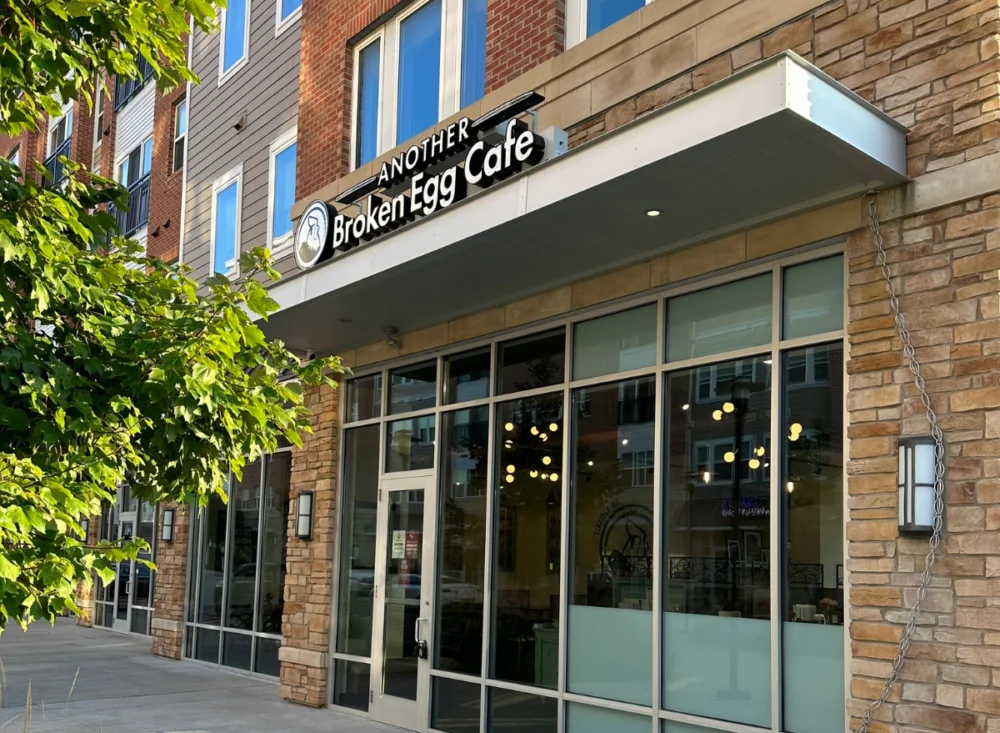
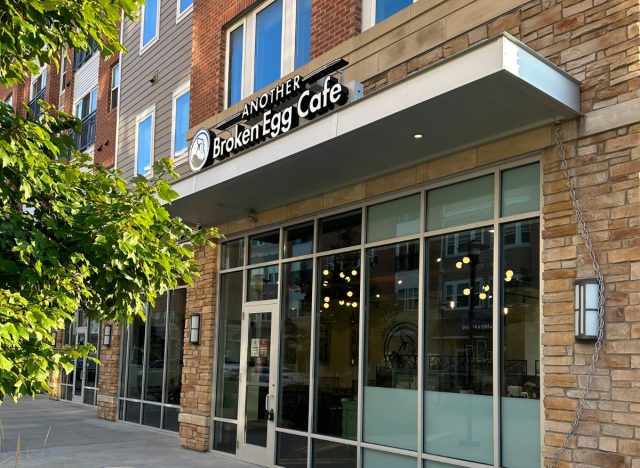
Another prominent player in the Southern breakfast and brunch scene is Another Broken Egg Café, which has cultivated a reputation for its upscale, Southern-inspired offerings. Founded in Mandeville, Louisiana, in 1996, this chain has grown significantly, becoming a go-to spot for leisurely weekend meals. It distinguishes itself with a menu that leans into more sophisticated interpretations of classic breakfast dishes, often incorporating fresh, high-quality ingredients and artful presentation. The ambiance typically features a bright, comfortable, and slightly refined setting, positioning it as a destination for special morning outings rather than just a quick bite.
Buchanan observes that Another Broken Egg Café is "intimately linked to unhurried mornings and communal dining experiences." She elaborates, "Its menu emphasizes substantial Southern breakfast and brunch selections, establishing it as a highly favored option for weekend mornings." The restaurant’s focus on signature dishes like various Benedicts (crab cake, lobster, classic), gourmet omelets, and decadent sweet treats such as Cinnamon Roll French Toast speaks to a clientele looking for an elevated yet approachable dining experience. This focus on a more relaxed, extended meal perfectly aligns with the Southern tradition of brunch as a social event, making it a popular choice for families and friends gathering to start their day.
Finally, First Watch presents a slightly different approach, appealing to a broader audience with its emphasis on fresh, health-conscious options alongside traditional griddle favorites. Although its origins trace back to Pacific Grove, California, in 1983, First Watch has established a significant presence and a loyal following across the South, with its corporate headquarters now based in Bradenton, Florida. Known as "The Daytime Café," it operates exclusively during breakfast and lunch hours, focusing intently on the quality and freshness of its ingredients. The menu is diverse, offering everything from "crave-worthy breakfast tacos" and nutrient-rich "power bowls" to classic pancakes and omelets, often featuring seasonal ingredients.
"First Watch succeeds because its menu truly offers something appealing for everyone," Buchanan explains. She points out, "Whether you desire a traditional breakfast or a lighter, healthier alternative, it’s an effortless choice for families or larger groups dining together." This versatility makes it an ideal spot for mixed groups with varying tastes and dietary needs. Popular items like their "Kale Tonic" juice, Avocado Toast, and Lemon Ricotta Pancakes exemplify their commitment to fresh, contemporary offerings while still providing comforting classics. The bright, airy interiors and emphasis on friendly service contribute to a welcoming environment, making it a consistent favorite for those seeking a balanced and enjoyable morning meal.
In conclusion, the sustained popularity of these Southern breakfast chains underscores the profound cultural significance of the morning meal in the region. Each establishment, from the iconic Waffle House to the innovative Maple Street Biscuit Company, the charming Flying Biscuit Café, the upscale Another Broken Egg Café, and the versatile First Watch, contributes to a rich tapestry of dining experiences. While their approaches differ, they all successfully capture the essence of what Southerners seek in a breakfast spot: a combination of comfort, consistency, quality, and a welcoming atmosphere that transforms a simple meal into a cherished tradition. These chains do more than just serve food; they provide a sense of belonging and predictability that resonates deeply within the Southern community, ensuring their enduring place as beloved culinary institutions.
About the Author