Immune System Guardians Diminish Amidst Rising Psychological Distress in Young Women.
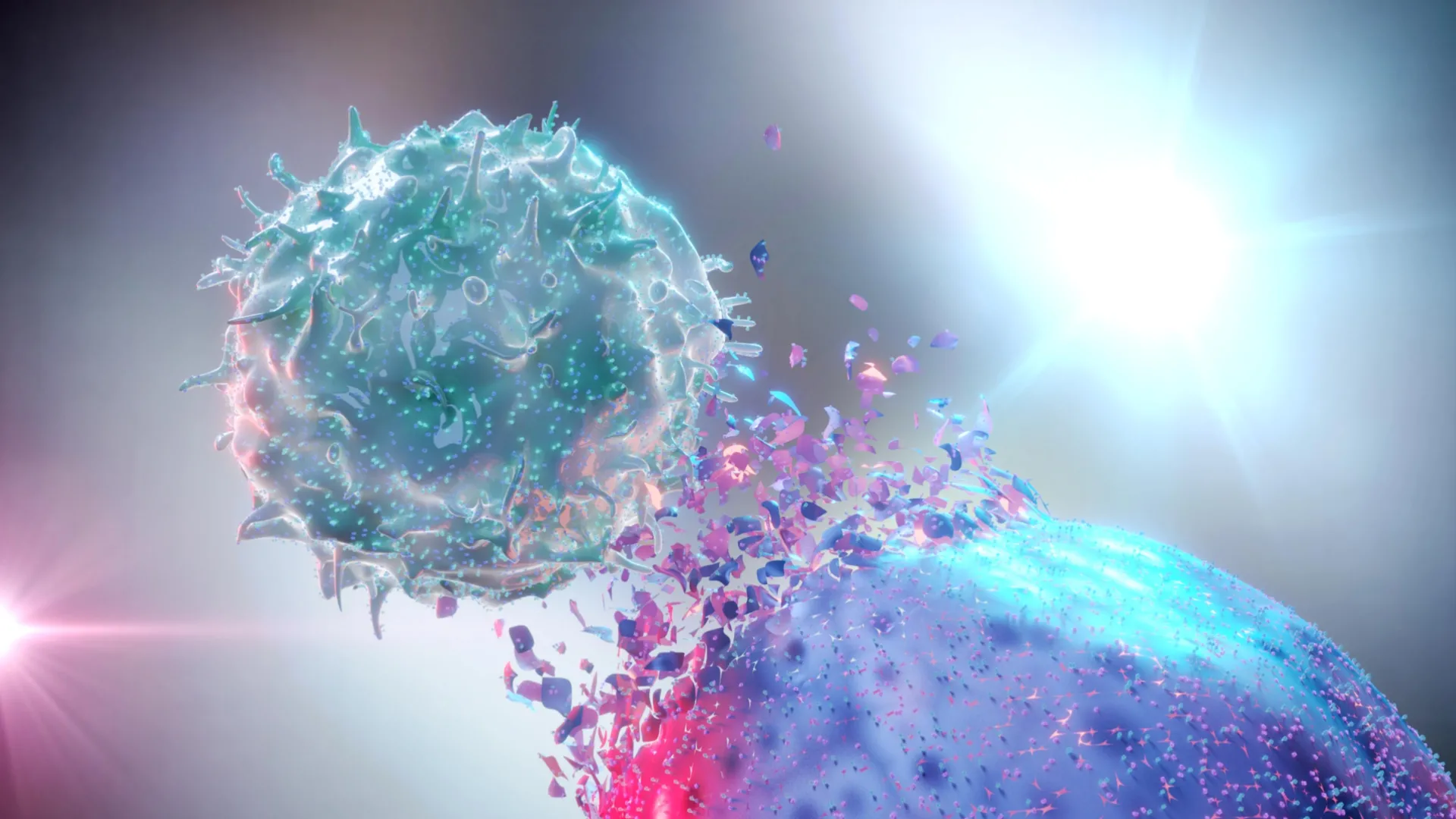
Natural killer (NK) cells, a vital component of the body’s innate defense network, play a critical role in identifying and neutralizing threats, ranging from viral infections to the early stages of cellular malignancy. These vigilant sentinels patrol the bloodstream and reside within tissues, constantly scanning for anomalies. Their primary function involves directly eliminating compromised cells, thereby preventing the proliferation of pathogens and cancerous transformations. A depletion in the population or functionality of NK cells can leave the organism vulnerable to a spectrum of diseases, undermining the overall integrity of the immune system.
In an era where psychological challenges like anxiety and sleep disturbances are increasingly prevalent, particularly among student populations, a recent investigation delved into the intricate relationship between these conditions and the robustness of NK cell populations. Researchers based in Saudi Arabia embarked on a study to elucidate how symptoms of anxiety disorder and insomnia might impact the levels of these crucial immune cells in young women. The findings of this research were subsequently published in the esteemed journal, Frontiers in Immunology, shedding new light on a significant, yet often overlooked, connection.
Dr. Renad Alhamawi, an assistant professor of immunology and immunotherapy at Taibah University and the lead author of the study, articulated the core discoveries. "Our observations revealed a discernible reduction in both the total count and the proportional representation of NK cells, including their distinct sub-populations, among students experiencing symptoms indicative of insomnia," she stated. "Concurrently, young women who reported general anxiety symptoms exhibited a diminished percentage and absolute number of circulating NK cells and their subsets when contrasted with their peers who reported no such symptoms." This suggests a dual impact, with both sleep deprivation and anxious states potentially compromising these immune defenders.
The research methodology involved a cohort of 60 female students, whose ages ranged from 17 to 23 years. To gather comprehensive data on their psychological states, each participant was administered a battery of three validated questionnaires. These instruments were designed to collect information regarding sociodemographic factors, as well as to systematically assess the presence and severity of symptoms associated with anxiety and insomnia. Crucially, the reporting of anxiety and sleep disturbances was based on self-assessment by the participants, providing a direct insight into their subjective experiences. The survey data indicated a significant prevalence of these issues within the student group: approximately 53 percent of the students reported experiencing sleep difficulties that aligned with the diagnostic criteria for insomnia, while a substantial 75 percent indicated the presence of anxiety symptoms. Within this latter group, a notable 17 percent and 13 percent were categorized as experiencing moderate and severe levels of anxiety, respectively.
Beyond self-reported psychological states, the study incorporated objective biological measurements. Blood samples were meticulously collected from each participant to quantify and differentiate various types of NK cells. The immune system’s NK cell population is not monolithic; it comprises distinct subgroups with specialized roles. Two principal subsets were of particular interest in this research. The first, identified as CD16+CD56dim cells, constitutes the predominant fraction of NK cells found within the peripheral nervous system, the intricate network that connects the central nervous system to the rest of the body. This particular subtype is characterized by its potent cytotoxic capabilities, meaning it possesses the inherent ability to directly induce the death of target cells that pose a threat to the organism, such as virus-infected cells or early-stage cancer cells. The second subgroup, designated as CD16+CD56high cells, is less abundant but plays a crucial role in orchestrating immune responses. These cells are instrumental in the secretion of cytokines and chemokines, signaling molecules that modulate immune activity and facilitate communication between immune cells, thereby supporting immunoregulation. Both of these identified groups are considered key components of the circulating NK cell pool.
The analysis of the collected blood samples, juxtaposed with the self-reported symptom data, revealed a clear correlation between psychological distress and NK cell abundance. Specifically, the findings indicated that students who reported experiencing anxiety symptoms displayed both a reduced percentage and a lower absolute number of circulating NK cells, encompassing both of the examined subtypes, when compared to their counterparts who reported no anxiety. Furthermore, the intensity of anxiety appeared to exert a dose-dependent effect. Students reporting moderate or severe anxiety symptoms demonstrated a statistically significant reduction in the proportion of circulating NK cells. In contrast, those with only minimal or mild anxiety symptoms exhibited a comparatively smaller and statistically non-significant decrease in these immune cells. Interestingly, among students experiencing insomnia symptoms, a higher score on anxiety assessments was directly associated with a diminished proportion of total peripheral NK cells, underscoring a potential synergistic effect between these two conditions.
The implications of such a decline in NK cell numbers and functionality are far-reaching and potentially serious. A compromised NK cell population can lead to a generalized weakening of immune surveillance and response capabilities. This diminished immunological resilience can heighten an individual’s susceptibility to a variety of health challenges. These include an increased risk of contracting infectious diseases, a reduced capacity to eliminate nascent cancerous cells, thereby potentially contributing to tumorigenesis, and even an exacerbation of existing mental health conditions like depression. Dr. Alhamawi elaborated on this critical aspect: "Gaining a deeper understanding of how these psychological stressors exert their influence on the distribution and functional activity of immune cells, with a particular focus on peripheral NK cells, holds the potential to offer invaluable insights into the intricate biological mechanisms that underpin inflammatory processes and the development of tumors."
The researchers themselves acknowledged certain limitations inherent in their study design. A significant constraint was the exclusive inclusion of young female participants. This demographic is particularly relevant, as it has been observed that rates of anxiety and sleep disturbances have been escalating at a disproportionate pace within this population group. Consequently, the narrow scope of the study, focusing solely on this specific demographic, inherently limits the generalizability of the findings to broader populations. The research team emphasized the imperative for future investigations to encompass a more diverse array of age groups, sexes, and geographical regions. Such expanded research efforts are deemed essential for the development of a more comprehensive and nuanced understanding of the complex interplay between anxiety, insomnia, NK cell levels, and overall immune function across the general population.
The findings also resonate with existing knowledge regarding lifestyle interventions and the impact of stress on the immune system. Prior scientific inquiry has consistently suggested that the adoption of healthy lifestyle practices can positively influence NK cell levels and their overall performance. These beneficial habits include engaging in regular physical activity, implementing effective stress management techniques, and maintaining a balanced and nutritious diet. Even with these known protective factors, the pervasive nature of anxiety and insomnia can disrupt fundamental physiological processes throughout the body, including the intricate mechanisms of immune response. This disruption can, in turn, contribute to the development and progression of chronic and inflammatory diseases. Dr. Alhamawi concluded by underscoring the profound and pervasive impact of these psychological conditions: "Such adverse impacts ultimately compromise an individual’s overall health status and diminish their quality of life."
Related posts:

Related News