Novel Nanocomposite Offers Dual Action: Eradicating Bone Tumors and Fostering Tissue Regeneration
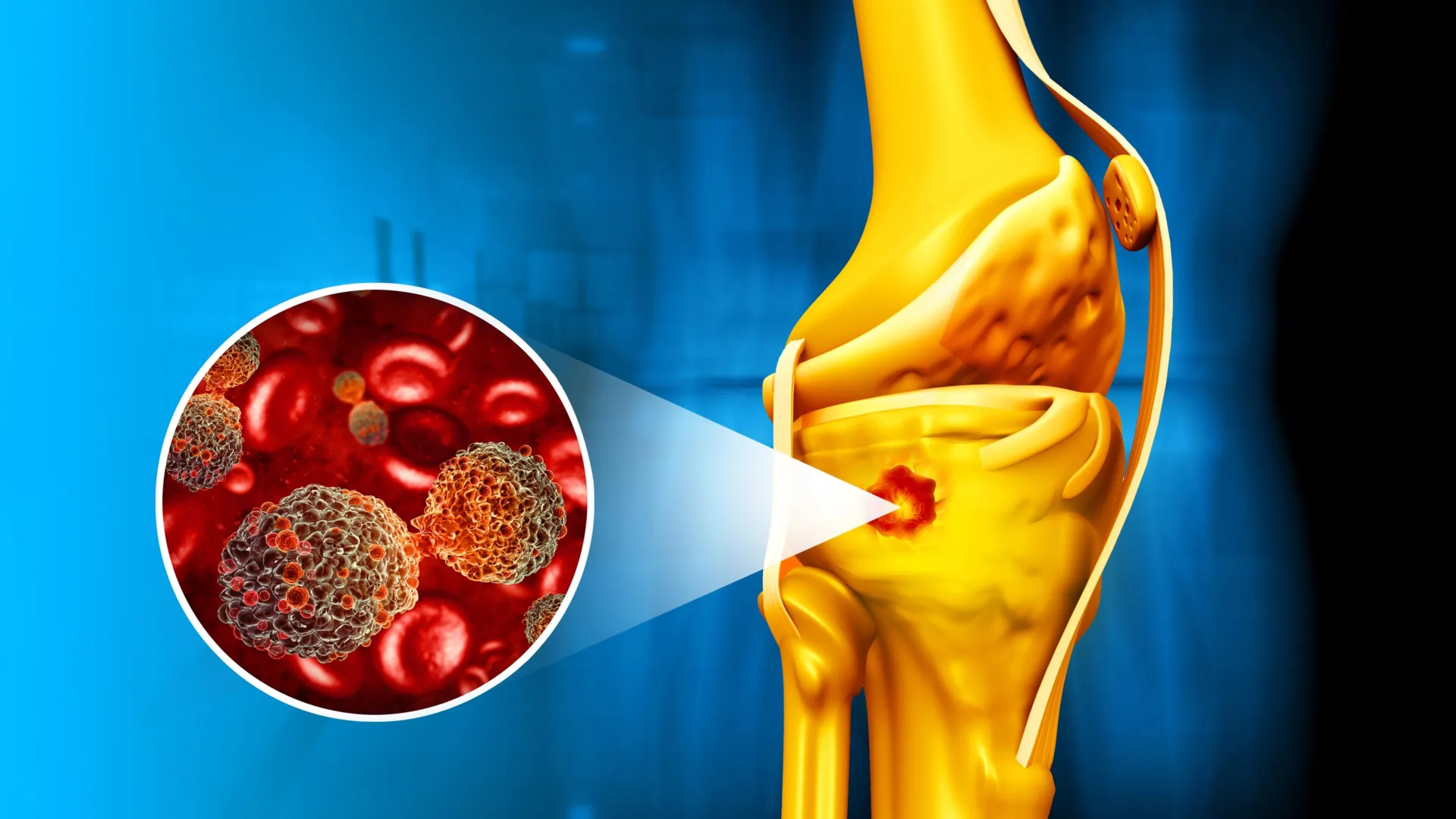
Scientists collaborating across Brazil and Portugal have engineered a groundbreaking magnetic nanocomposite designed to simultaneously combat malignant bone growths and facilitate the healing process within bone tissue. This innovative material, detailed in the journal Magnetic Medicine, features a sophisticated core-shell architecture. The core consists of iron oxide nanoparticles, meticulously encapsulated by a delicate layer of bioactive glass. This dual composition endows the material with the remarkable ability to generate therapeutic heat when subjected to an external magnetic field, while also ensuring its stable integration with osseous structures.
The convergence of these two critical functionalities – oncological treatment and regenerative support – within a single therapeutic agent has long presented a significant hurdle for medical researchers. This pioneering approach, however, successfully merges the potent capabilities of magnetic hyperthermia for tumor ablation with inherent properties that actively promote the regrowth of healthy bone. This breakthrough represents a significant stride toward integrated treatments for complex bone pathologies.
"Magnetic bioactive nanocomposites hold immense promise for the treatment of bone cancers, offering the capacity to simultaneously eliminate tumors via controlled magnetic heating and simultaneously encourage the formation of new bone tissue," explained Dr. Ângela Andrade, the lead investigator behind this transformative research. "Our findings definitively demonstrate that achieving both robust magnetization for effective therapeutic heating and substantial bioactivity to stimulate bone regeneration within the same material is not only possible but achievable, overcoming a persistent challenge that has characterized this field of study for years."
To meticulously evaluate the material’s behavior within a biological milieu, the research team conducted rigorous experiments by immersing the nanocomposites in simulated body fluid, a carefully calibrated medium designed to mimic the physiological environment of the human body. Under these controlled conditions, the nanoparticles exhibited an accelerated propensity to form apatite, a crystalline mineral that mirrors the inorganic matrix of naturally occurring bone. This swift mineral precipitation is a powerful indicator of the material’s potential for robust osseointegration, meaning it can effectively bond with existing bone following its implantation.
Further refinement and optimization of the nanocomposite’s composition were explored through comparative analyses of various formulations. Among these, a particular variant that was deliberately enriched with a higher concentration of calcium ions demonstrated a particularly compelling performance profile. This calcium-enhanced formulation emerged as a standout candidate due to its superior capabilities.
"Of all the formulations we subjected to testing, the one characterized by an elevated calcium content exhibited the most rapid rate of mineralization and displayed the most potent magnetic response," stated Dr. Andrade, underscoring the material’s suitability for demanding biomedical applications. "This combination of enhanced bioactivity and magnetic efficacy positions it as an exceptionally promising candidate for a wide spectrum of advanced therapeutic interventions."
The intrinsic magnetic properties of the nanocomposite are attributed to its iron oxide core. When exposed to an alternating magnetic field, this core undergoes rapid oscillations, generating localized thermal energy. This controlled heat generation is precisely calibrated to reach temperatures sufficient to induce apoptosis, or programmed cell death, in cancerous cells, thereby damaging or eradicating tumor tissue. Crucially, this localized heating mechanism allows for targeted treatment of malignant sites, while simultaneously minimizing collateral damage to surrounding healthy tissues, a key advantage in minimizing side effects and improving patient outcomes.
Complementing the thermal destructive capabilities of the iron oxide core, the outer layer of bioactive glass plays an indispensable role in the regenerative phase of the treatment. This biocompatible coating actively encourages the proliferation and differentiation of surrounding osteoblasts, the cells responsible for bone formation. By promoting the natural healing mechanisms of the body, the bioactive glass facilitates the repair and rebuilding of damaged bone structures. This integrated approach offers a comprehensive treatment strategy that addresses both the immediate threat of tumor removal and the long-term necessity of structural restoration in a single, streamlined intervention.
"This investigation offers profound new insights into the intricate interplay between surface chemistry, structural configuration, and the overall performance of magnetic biomaterials," Dr. Andrade elaborated, highlighting the broader scientific implications of the study. "The findings unveiled herein pave the way for the development of increasingly sophisticated and multifunctional materials, designed to be both exceptionally safe and remarkably effective for eventual clinical application."
In summation, this groundbreaking research signifies a substantial advancement in the field of smart nanomaterials, offering novel therapeutic avenues for both oncological and regenerative medicine. By synergistically combining potent magnetic properties, essential for targeted tumor destruction, with inherent bioactivity that actively promotes bone regeneration, these sophisticated nanocomposites represent a paradigm shift in the potential for future therapies. They hold the promise of enabling minimally invasive procedures capable of effectively treating bone tumors while concurrently restoring the structural integrity and functional capacity of damaged bone tissue, heralding a new era of integrated healing and cancer management.

Related News