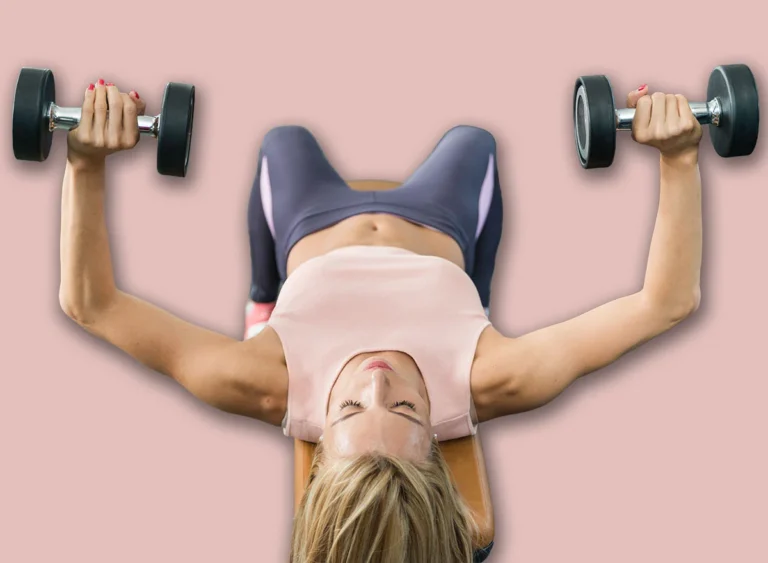
Maintaining physical vitality and addressing changes in body composition becomes a significant focus for many individuals as they navigate life beyond their sixties. Among the common concerns is the accumulation of adipose tissue around the midsection, often referred to as "belly overhang," coupled with a natural decline in core muscle strength. This physiological shift can impact not only aesthetic preferences but also crucial aspects of health, including posture, balance, and overall mobility. Traditional floor-based abdominal exercises, while effective for some, frequently present challenges for older adults due to joint discomfort, spinal pressure, or difficulties with getting up and down. Fortunately, a practical and accessible solution exists: incorporating targeted core exercises performed directly on a bed. This approach leverages the inherent support and cushioning of a mattress to facilitate effective muscle engagement without undue stress on sensitive joints, making consistent training more attainable and enjoyable.
The human core musculature is far more complex than just the visible "six-pack" muscles, the rectus abdominis. It comprises a deep network of muscles including the transverse abdominis (a natural corset for the trunk), the internal and external obliques (responsible for rotational movements and lateral flexion), the multifidus (stabilizing the spine), and the pelvic floor muscles. Collectively, these muscles act as the body’s central powerhouse, providing stability for virtually all movements, supporting the spine, and maintaining proper posture. As individuals age, a combination of factors contributes to a weakening of these vital muscles and an increase in abdominal fat. Hormonal changes, a natural reduction in muscle mass (sarcopenia), a slowing metabolism, and often a decrease in physical activity can all lead to a softer, less toned midsection. A compromised core can manifest as lower back pain, diminished balance, and a stooped posture, further emphasizing the importance of dedicated core strengthening.
The unique advantage of utilizing a bed for core workouts lies in its ability to mitigate many of the common barriers to exercise for older adults. The soft, yielding surface provides a level of cushioning that significantly reduces impact and pressure on joints like the hips, knees, and spine, which might otherwise experience discomfort on a hard floor. This ergonomic benefit allows individuals to perform movements with greater ease and focus, enhancing the quality of each repetition. Furthermore, the slight incline or elevation inherent in many bed positions can help decompress the lumbar spine, making exercises like leg raises more tolerable for those prone to lower back strain. This environment fosters improved breathing mechanics, encouraging deeper diaphragmatic breathing which is critical for activating the transverse abdominis – the deep abdominal muscle that plays a pivotal role in cinching the waistline and providing internal support. When discomfort is minimized, individuals are more likely to adhere to a regular exercise schedule, a fundamental component of achieving long-term results in core strengthening and body recomposition.
For individuals seeking to specifically target their abdominal muscles in a gentle yet effective manner, the following five bed-based exercises offer a comprehensive routine, designed for comfort and efficacy. Each movement contributes to overall core stability, muscle toning, and improved abdominal definition, while prioritizing joint health.
1. Incline Plank Holds: The Foundation of Core Stability
The incline plank hold is an excellent starting point for building foundational core strength. Performing this exercise on a bed allows for sustained engagement of the entire core without the intense pressure often associated with traditional floor planks, particularly on the wrists and shoulders. This variation effectively recruits the rectus abdominis, transverse abdominis, and obliques, alongside the shoulders and glutes, promoting a strong, stable trunk. It also reinforces proper breathing and bracing techniques crucial for spinal health.
- Execution: Begin by positioning yourself face down on the bed, supporting your upper body on your forearms. Your elbows should be directly beneath your shoulders, and your forearms flat on the mattress, parallel to each other. Extend your legs straight behind you, resting on your knees or toes, depending on your comfort and strength level. If using toes, ensure your body forms a straight line from head to heels, avoiding any sagging in the hips or arching of the lower back. Actively engage your abdominal muscles by imagining you are pulling your navel towards your spine and tightening a belt around your waist. Keep your neck neutral, gazing at a spot on the bed between your hands.
- Muscles Engaged: Primarily targets the rectus abdominis and transverse abdominis, with significant contributions from the obliques, deltoids (shoulders), and gluteal muscles.
- Guidance: Aim for 3 sets, holding each plank for 30 to 60 seconds. Rest for 45 seconds between each set. For beginners, start on your knees or hold for shorter durations, gradually increasing as strength improves.
- Form Focus: Actively draw your ribcage down towards your hips to maximize abdominal tension and prevent overarching the lower back.
2. Side Plank Holds: Enhancing Lateral Core Strength
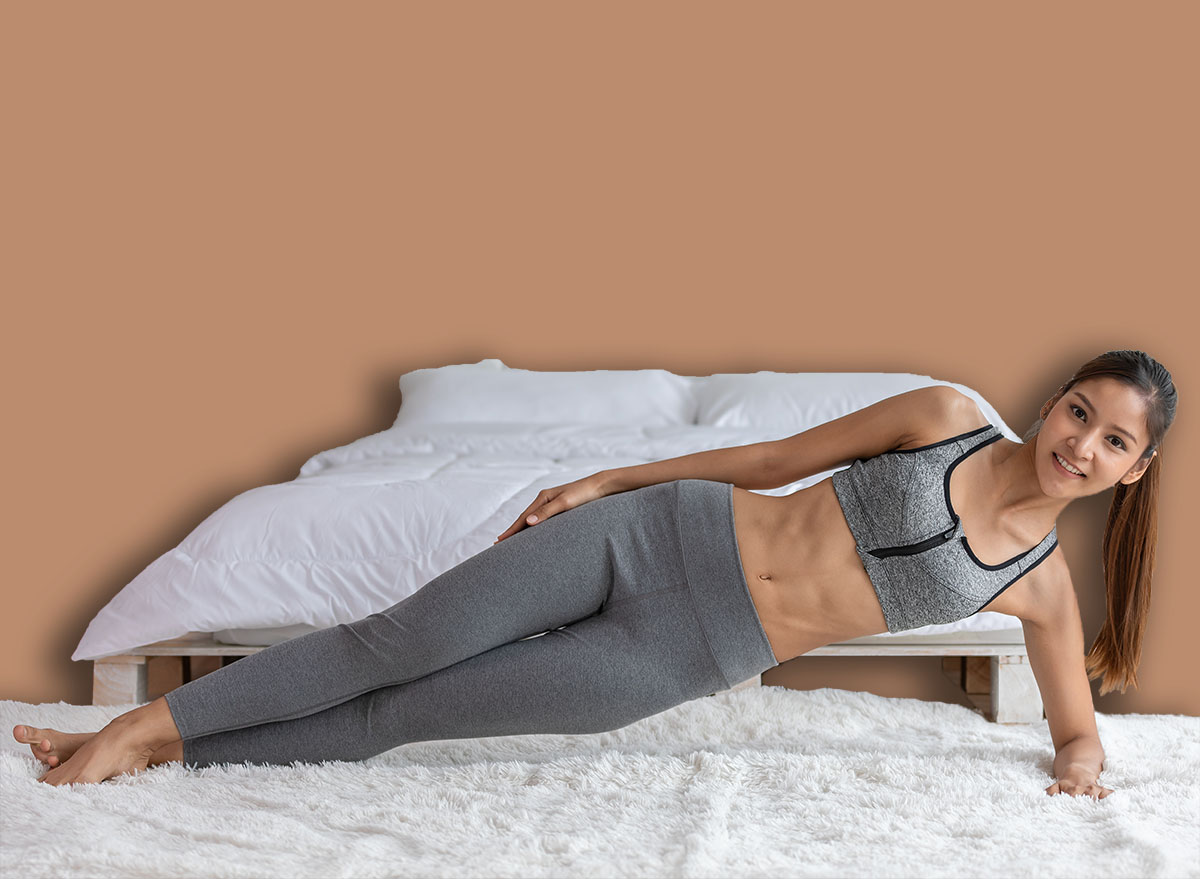
Side planks are invaluable for strengthening the oblique muscles, which are crucial for rotational stability, lateral flexion, and contributing to a cinched waistline. On a bed, the support minimizes direct pressure on the shoulder and hip, making it a more accessible exercise for developing lateral core endurance and balance.
- Execution: Lie on your side on the bed, stacking your hips and shoulders directly above each other. Support your upper body with one forearm, ensuring your elbow is directly under your shoulder and your forearm is perpendicular to your body. Stack your legs one on top of the other, or place your top foot slightly in front of the bottom foot for added stability. Exhale and lift your hips off the bed, creating a straight line from your head through your hips to your ankles. Engage your core to prevent your hips from sagging.
- Muscles Engaged: Primarily targets the internal and external obliques, along with the transverse abdominis, gluteus medius, and shoulder stabilizers.
- Guidance: Perform 2 to 3 sets per side, holding each for 20 to 40 seconds. Allow 30 seconds of rest between sets.
- Form Focus: Maintain a straight line from head to heels; avoid letting your hips drop or rotate forward. Visualize actively pulling your side body upwards away from the mattress.
3. Flutter Kicks: Lower Abdominal Endurance
Flutter kicks are excellent for building endurance in the lower abdominal region and hip flexors. Performing them on a bed offers a supportive surface that can reduce strain on the lower back, allowing for more controlled movements and sustained core engagement.
- Execution: Lie flat on your back on the bed, with your arms resting at your sides or your hands placed gently under your lower back or glutes for added support to prevent arching. Press your lower back lightly into the mattress. Lift both legs a few inches off the bed, keeping them straight but with a soft bend in the knees. From this position, perform small, rapid, alternating up-and-down movements with your legs, as if gently kicking in water. Keep the movement controlled and focus on engaging your lower abdominal muscles to stabilize your core.
- Muscles Engaged: Primarily targets the lower rectus abdominis and hip flexors, with significant involvement of the transverse abdominis for stabilization.
- Guidance: Complete 3 sets of 20 to 30 total kicks. Rest for 30 seconds between sets. For less intensity, perform with bent knees.
- Form Focus: Keep your lower back pressed into the bed throughout the exercise to ensure core engagement and protect your spine. The range of motion should be small and controlled.
4. Scissor Kicks: Enhanced Lower Core Challenge
Scissor kicks amplify the challenge of flutter kicks by utilizing a longer lever arm, demanding greater strength and control from the core. The bed’s cushioning helps to maintain spinal alignment and prevents excessive arching, promoting safer and more effective training of the lower abdominals and obliques.
- Execution: Start in the same supine position as for flutter kicks, hands under your lower back or glutes for support. Lift both legs a bit higher than in flutter kicks, perhaps 6-12 inches off the bed, keeping them straight. Instead of up-and-down motions, perform alternating lateral crossing movements, mimicking scissors. One leg moves over the other, then they switch. Maintain a steady pace and focus on keeping your core tight and your lower back anchored to the bed.
- Muscles Engaged: Primarily targets the lower rectus abdominis, obliques, and hip flexors, requiring greater stabilization from the transverse abdominis compared to flutter kicks.
- Guidance: Aim for 3 sets of 16 to 20 total repetitions (one complete cross counts as one rep). Rest for 30 seconds between sets.
- Form Focus: Control the movement, avoiding letting your legs drop too low or swing uncontrollably. The slower and more deliberate the movement, the greater the core engagement.
5. Mountain Climbers: Dynamic Core and Cardiovascular Integration
Performing mountain climbers on a bed provides a dynamic, full-body exercise that simultaneously elevates the heart rate, strengthens the core, and works the shoulders, all while reducing the typical impact on wrists and ankles. The elevated and cushioned surface assists in maintaining better spinal alignment and encourages more focused core activation.
- Execution: Start in a plank position on your hands or forearms on the bed, as if preparing for an incline plank. Your body should form a straight line from head to heels. Ensure your wrists are directly under your shoulders if on hands. From this stable plank, rapidly bring one knee towards your chest, then return it to the starting position as you simultaneously bring the opposite knee towards your chest. Maintain a strong, stable core throughout, resisting the urge to let your hips pike up or sag down. The movement should be fluid and controlled, not rushed.
- Muscles Engaged: Engages the rectus abdominis, obliques, hip flexors, and shoulders, with a significant cardiovascular component.
- Guidance: Complete 3 sets, performing for 30 to 45 seconds each. Rest for 45 seconds between sets. For a modification, perform slowly and deliberately, focusing on the squeeze in your abdominals.
- Form Focus: Exhale forcefully as each knee drives forward to intensify core engagement. Keep your gaze slightly forward to maintain a neutral neck position.
Beyond the Bed: A Holistic Approach to Abdominal Health Post-60
While these bed-based exercises offer a powerful tool for core strengthening and toning, achieving optimal abdominal definition and overall well-being after 60 requires a multifaceted approach. Consistency in exercise is paramount; integrating these movements into a daily or near-daily routine will yield the best results. However, physical activity is just one piece of the puzzle.
Nutritional Awareness: A balanced diet rich in lean protein, complex carbohydrates, healthy fats, and an abundance of fruits and vegetables is crucial. Adequate protein intake supports muscle maintenance and growth, while fiber-rich foods aid digestion and satiety. Managing caloric intake to achieve a healthy weight, if necessary, is also vital, as subcutaneous and visceral fat significantly contribute to abdominal circumference.
Hydration: Drinking sufficient water throughout the day supports metabolic functions, aids nutrient transport, and helps maintain energy levels, all of which indirectly contribute to a healthier body composition.
Quality Sleep: Sleep is a foundational pillar of health. Insufficient or poor-quality sleep can disrupt hormone regulation, particularly increasing cortisol levels, a stress hormone linked to increased abdominal fat storage. Prioritizing 7-9 hours of restful sleep can positively impact weight management and recovery.
Stress Management: Chronic stress elevates cortisol, which can direct fat storage to the abdominal region. Incorporating stress-reducing practices such as meditation, deep breathing exercises (which also engage the core!), yoga, or spending time in nature can significantly benefit overall health and body composition.
Consultation with Professionals: Before embarking on any new exercise regimen, especially after the age of 60, it is always advisable to consult with a healthcare provider or a certified physical therapist. They can offer personalized advice, address any underlying health conditions, and ensure the chosen exercises are appropriate for your individual needs and capabilities.
By integrating these joint-friendly, bed-based core exercises with a holistic approach to lifestyle, individuals over sixty can effectively strengthen their midsection, improve posture and balance, and enhance their overall quality of life, proving that effective fitness can be both accessible and comfortable.
About the Author