Cultivating robust core strength is a cornerstone of lifelong vitality, playing an indispensable role in maintaining physical autonomy and mitigating the risks associated with aging. Far more than just the superficial abdominal muscles, the core represents a sophisticated network of musculature encompassing the deep abdominal wall, pelvic floor, diaphragm, multifidus, and the deep stabilizers of the spine, alongside the glutes and hips. This integrated system acts as the body’s central power generator, facilitating efficient movement, ensuring spinal integrity, optimizing balance, and providing the foundational stability necessary for virtually every physical activity, from lifting groceries to simply standing upright. As individuals progress through life, particularly past the age of fifty, the natural decline in muscle mass and bone density, coupled with potential shifts in body composition, underscores the increasing importance of proactive strategies to preserve and enhance this vital region. Traditional approaches often prioritize isolated abdominal exercises, yet a growing body of evidence suggests that functional movements, such as specifically modified walking techniques, offer a more holistic and often superior pathway to comprehensive core development and sustained metabolic health.
The conventional perception of core training frequently revolves around floor-based crunches, sit-ups, and planks. While these exercises certainly have their place in a well-rounded fitness regimen, they often fall short in addressing the core’s functional role in dynamic, weight-bearing activities. Furthermore, their impact on overall calorie expenditure and body fat reduction, particularly the stubborn visceral fat often associated with abdominal obesity, can be limited when compared to sustained cardiovascular exercise. La Vonn Gilbert, founder of BCF Wellness, highlights this crucial distinction, explaining that "isolated abdominal exercises primarily build muscle beneath the surface, but they do not typically generate the prolonged caloric burn essential for significant fat loss that a vigorous walking routine provides." She emphasizes that engaging in specialized walking sequences can effectively transition the body into a fat-burning state. The efficacy of walking for adipose tissue reduction is directly proportional to its duration and intensity; longer, quicker walks inherently lead to greater fat oxidation. Crucially, maintaining an elongated, upright posture with a neutral pelvic alignment during these walks actively engages the core musculature, providing a dual benefit of strengthening the abdominal muscles while simultaneously contributing to a leaner midsection. This integrated approach leverages the body’s natural movement patterns, ensuring that core engagement is not just an isolated event but a continuous process throughout the activity.
1. Gradient Ascension Walking
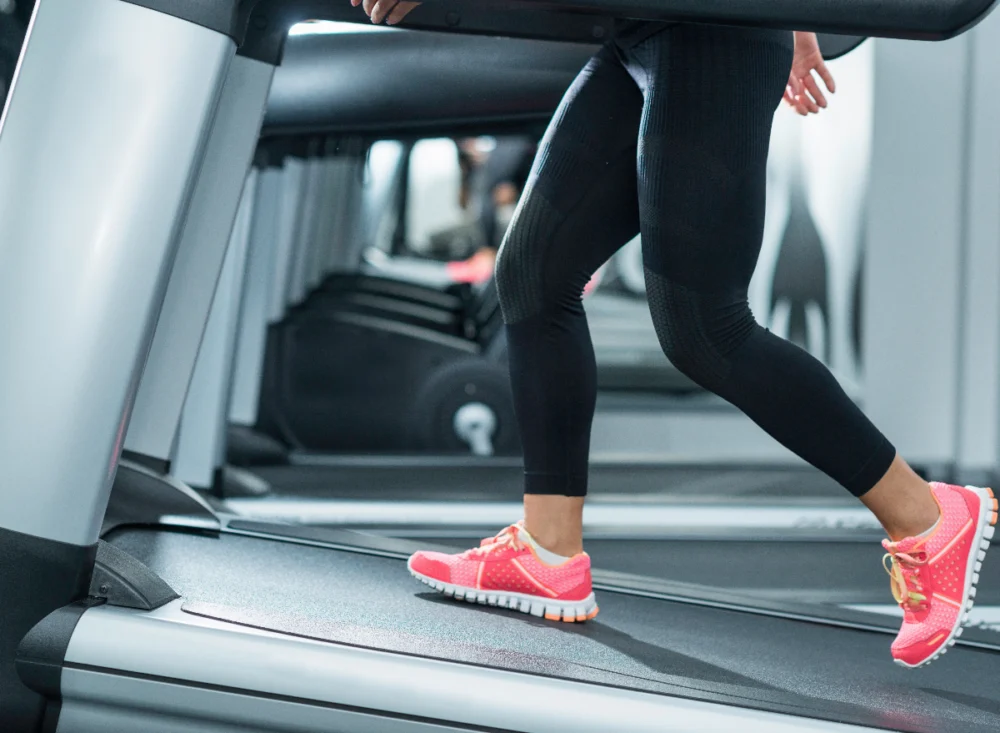
One highly effective method for intensifying core engagement during a walk is incorporating an incline, whether on a treadmill or by seeking out natural hills outdoors. This "gradient ascension walking" fundamentally alters the biomechanics of the stride. As the body moves upward against the force of gravity, a significantly greater muscular effort is required. The gluteal muscles, often referred to as the powerhouse of the lower body, become the primary movers, driving the propulsion with increased intensity. This enhanced recruitment extends to the hamstrings, quadriceps, and calf muscles, which must work in concert to navigate the upward slope. For the core, the challenge is profound: the abdominal and oblique muscles are called upon with renewed vigor to stabilize the pelvis, maintain an upright torso, and counteract the rotational forces generated by the climbing motion. This constant, subtle bracing transforms a simple walk into a dynamic stability exercise, fortifying the core from within. A typical session might involve a gradual increase in incline, starting with a gentle slope and progressively advancing to steeper gradients, perhaps maintaining a brisk pace for 15-20 minutes after a warm-up, ensuring continuous core awareness.
2. Dynamic Arm Propulsion Walking
The often-underestimated role of arm movement in walking can be strategically leveraged to amplify core activation. "Dynamic arm propulsion walking" involves a conscious, exaggerated swing of the arms, synchronized with the opposite leg. This vigorous, purposeful arm action extends beyond mere momentum; it initiates a rotational force through the torso that directly engages the core musculature. The shoulders (deltoids), upper back (latissimus dorsi), biceps, triceps, and chest muscles (pectorals) are all actively recruited in this powerful swinging motion. However, it is the core that acts as the essential stabilizer, resisting excessive rotation and transferring kinetic energy efficiently between the upper and lower body. This contralateral movement pattern, where the left arm swings forward with the right leg and vice-versa, intrinsically activates the oblique muscles and deep abdominal stabilizers, making it a comprehensive full-body workout. To practice this, focus on bending the elbows at approximately 90 degrees and swinging the arms actively from the shoulders, ensuring the hands do not cross the body’s midline. This engagement creates a powerful, stabilizing effect through the entire midsection.
3. Intermittent Intensity Walking
Introducing varied intensity into a walking routine, often known as "intermittent intensity walking" or walking intervals, is a powerful strategy for both cardiovascular enhancement and core conditioning. This approach alternates between periods of moderate-intensity walking and bursts of higher-intensity efforts. During the faster segments, the glutes, quadriceps, hamstrings, and calves are all recruited more forcefully to generate increased speed and power. The acceleration and deceleration inherent in interval training demand heightened core engagement for maintaining balance, controlling momentum, and ensuring spinal stability. As the pace quickens, the abdominals and lower back muscles must work harder to preserve an erect posture and prevent excessive torso sway. Beyond muscular benefits, interval walking significantly elevates the heart rate, leading to greater caloric expenditure during and after the workout (known as EPOC, or Excess Post-exercise Oxygen Consumption), thereby contributing more effectively to overall fat reduction and metabolic efficiency. A common interval structure might involve alternating 2-3 minutes of brisk walking with 1 minute of power walking or a light jog, repeated for 20-30 minutes.
4. Deliberate Postural Alignment Walking
Perhaps the most fundamental yet overlooked aspect of core engagement during walking is maintaining impeccable "deliberate postural alignment." Many individuals walk with a slumped posture, rounded shoulders, or an anterior pelvic tilt, which effectively disengages the core. By consciously adopting and sustaining an optimal posture throughout the walk, every step becomes an opportunity for continuous core activation. This means envisioning a string pulling the crown of the head skyward, keeping the shoulders relaxed and slightly back, maintaining a neutral pelvis (avoiding both excessive arching and flattening of the lower back), and engaging the deep abdominal muscles as if gently drawing the navel towards the spine. The gluteal muscles are crucial here, not just for propulsion but for stabilizing the pelvis. Similarly, the hamstrings, quadriceps, and calves contribute to the leg drive, while the abdominal and back muscles work synergistically to provide a stable, balanced framework. This mindful approach transforms a casual stroll into a sophisticated exercise in dynamic stability, teaching the body to maintain proper alignment under load and motion, which translates directly to improved functional strength in daily life.
5. Dynamic Knee Lift Walking
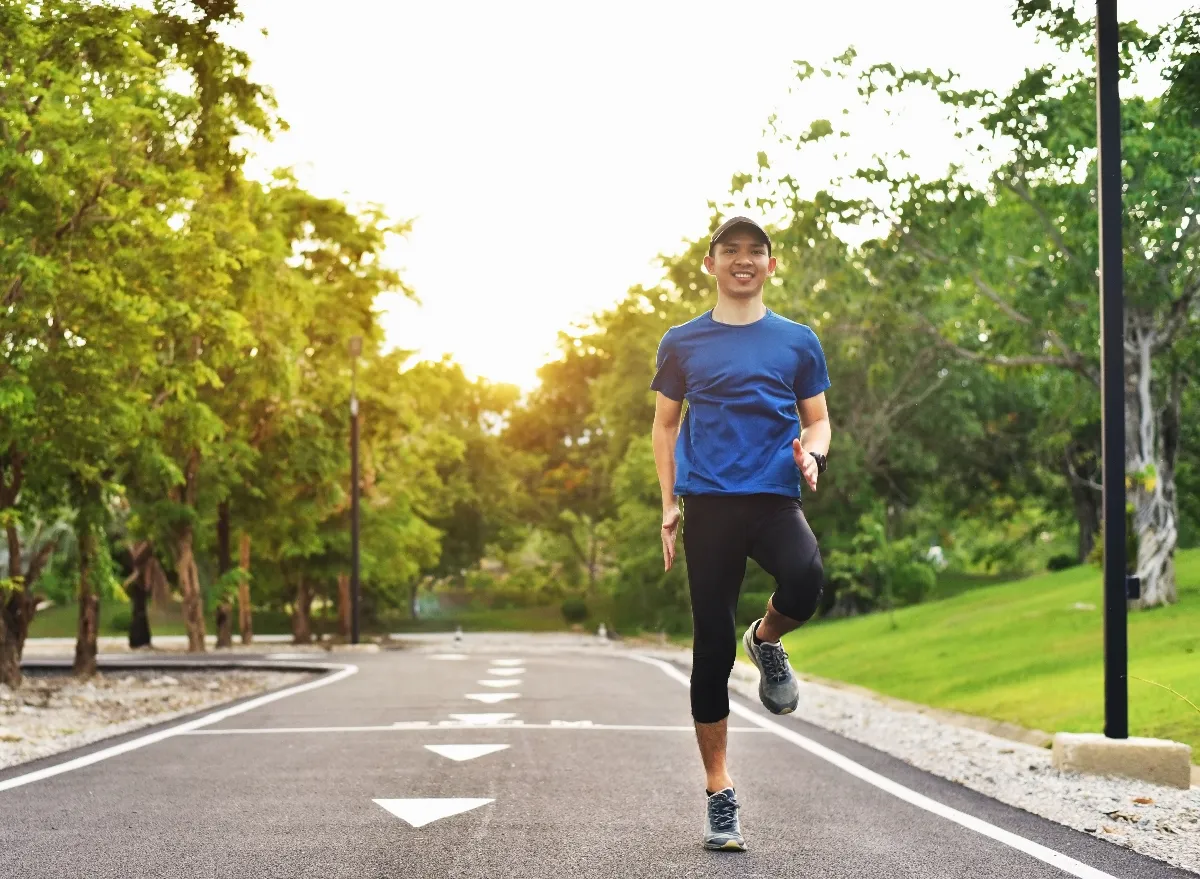
"Dynamic knee lift walking," often referred to as high-knee power walking, is an advanced technique that dramatically increases the engagement of the hip flexors and lower abdominal muscles. This drill involves purposefully lifting the knees higher with each step, aiming to bring them towards the chest. As the knee elevates, the hip flexors are intensely activated, and the lower abdominals must contract powerfully to assist in the lift and stabilize the pelvis, preventing it from tilting forward. Simultaneously, the quadriceps, glutes, hamstrings, and calves are all engaged in the powerful leg drive and subsequent ground push-off. The act of balancing on one leg while the other lifts high presents a significant challenge to the core, forcing the deep stabilizers (transversus abdominis, obliques, multifidus) and lower back muscles to work rigorously to maintain equilibrium. This exercise not only strengthens the core and lower body but also enhances hip mobility and coordination. Incorporate this by performing segments of high-knee walks for 30-60 seconds at a time, focusing on controlled, deliberate movements rather than speed, ensuring a strong, stable core throughout.
Integrating these specialized walking techniques into a regular routine offers a powerful and comprehensive approach to developing core strength that transcends the limitations of isolated abdominal work. By leveraging the body’s natural movement patterns, these drills foster functional strength, improve balance, enhance metabolic efficiency through sustained calorie expenditure, and contribute significantly to overall fat reduction. The benefits extend far beyond a "tightened core," encompassing improved posture, reduced risk of injury, enhanced mobility, and a greater capacity for independent living as one ages. By consciously adapting one’s walking practice, individuals can transform an everyday activity into a profound exercise regimen, building a resilient and capable body for years to come.
About the Author