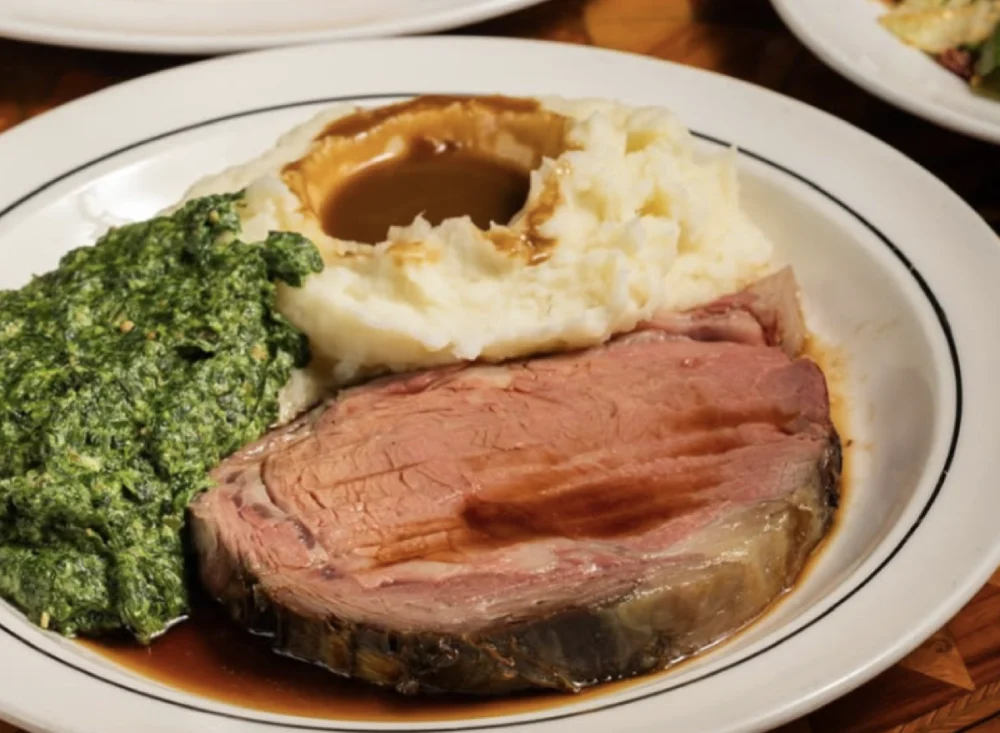
The allure of prime rib, a culinary staple deeply embedded in the Western gastronomic tradition, continues to captivate diners seeking both indulgence and a profound sense of satisfaction. More than just a meal, a generously portioned prime rib often signifies a celebratory occasion, a comforting tradition, or simply an opportunity to savor a premium cut of beef expertly prepared. In an era where portion sizes are often scrutinized, a segment of the restaurant industry, particularly established chain steakhouses, steadfastly caters to a demand for truly substantial servings of this revered roast, ensuring that patrons leave with both a memorable dining experience and, frequently, ample leftovers. This pursuit of the grandest cuts reflects a fascinating intersection of culinary heritage, consumer expectation, and strategic hospitality.
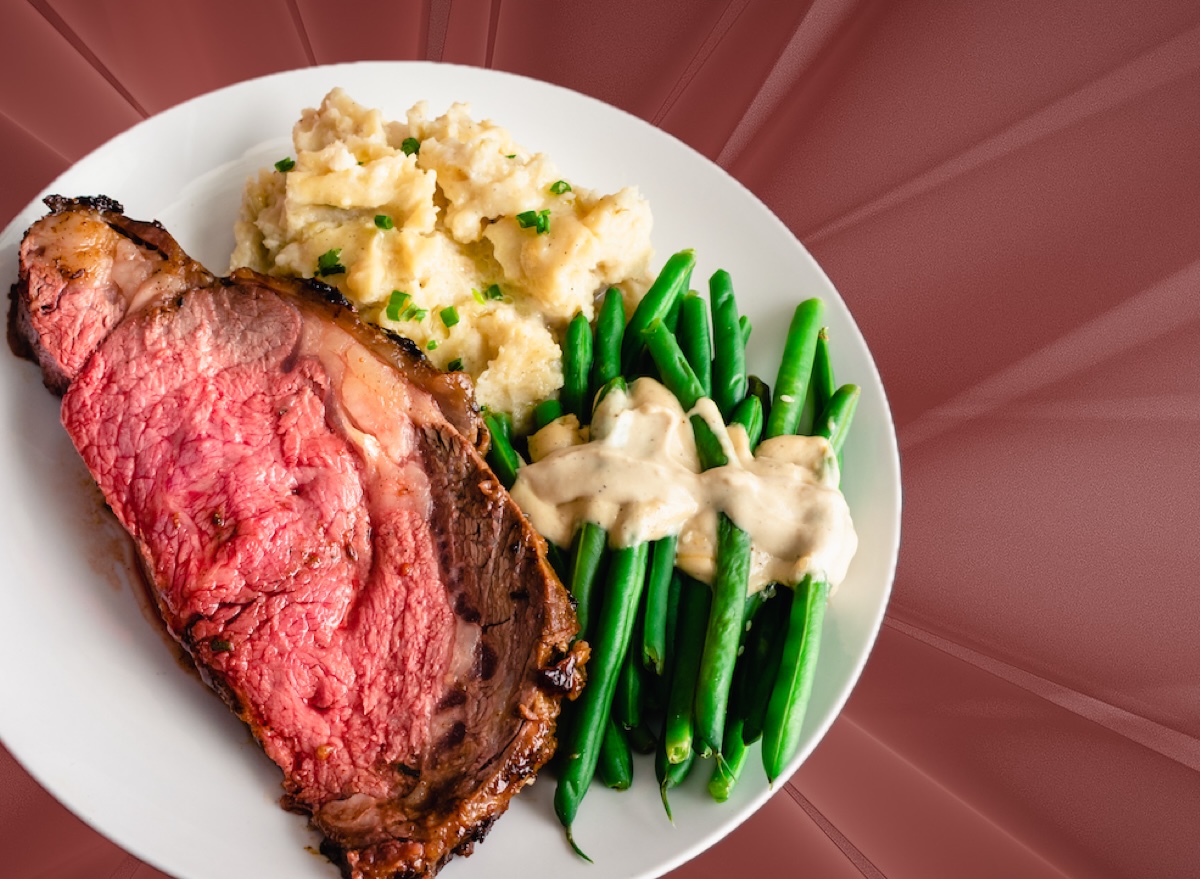
Prime rib, officially known as a standing rib roast, is derived from the primal rib section of a beef steer, typically encompassing ribs six through twelve. Its desirability stems from a combination of factors: the natural marbling within the meat, which contributes to its rich flavor and tenderness, and the meticulous slow-roasting process it undergoes. Unlike other steak cuts that are grilled or pan-seared quickly, prime rib is traditionally cooked at lower temperatures for extended periods. This method allows the connective tissues to break down gradually, resulting in an exceptionally succulent interior while developing a savory, caramelized crust on the exterior. Served au jus, often accompanied by horseradish sauce, it represents a pinnacle of beef cookery, offering a depth of flavor and a luxurious texture that is hard to replicate.
The cultural significance of large food portions, particularly in North America, cannot be overstated. From the hearty meals of early settlers to the modern-day pursuit of "value" and abundance, substantial servings have become synonymous with a gratifying dining experience. For many, a colossal prime rib is not merely about consuming a large quantity of food; it embodies a sense of generosity, a tangible measure of quality, and a statement of culinary opulence. It appeals to groups, families, and individuals who appreciate the opportunity to stretch a meal into multiple sittings or simply revel in the sheer scale of their plate. This trend also serves as a differentiator for restaurants in a competitive market, attracting customers specifically seeking an impressive, uncompromised steakhouse experience.
Several prominent restaurant chains have distinguished themselves by embracing this ethos, offering prime rib cuts that are notable for their impressive size and unwavering quality. These establishments understand that for a discerning segment of their clientele, the prime rib is the main event, a dish around which entire dining plans are constructed.
Lawry’s The Prime Rib:
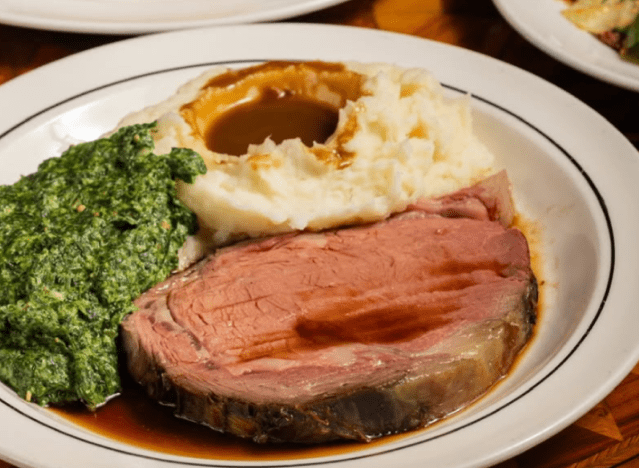
A legendary name in the steakhouse world, Lawry’s The Prime Rib has cultivated a reputation for over 80 years as a bastion of traditional prime rib service. Founded in Beverly Hills, California, this iconic institution has perfected the art of slow-roasting beef and presents it with an almost theatrical flourish. Central to their dining experience is the tableside carving service, where skilled carvers present various cuts directly from gleaming silver carts. For those with an exceptionally robust appetite, Lawry’s offers the "Diamond Jim Brady Cut," a tribute to the famously prodigious eater of the Gilded Age. This particular offering is an extra-thick, bone-in portion of prime rib, representing the ultimate indulgence on their menu. The emphasis here is not just on size, but on a historical reverence for prime rib, served with spinning salad, Yorkshire pudding, and creamed spinach, all contributing to a complete, time-honored dining ritual. The commitment to this singular dish has allowed Lawry’s to refine its preparation to an art form, making their substantial cuts a benchmark for quality and tradition.
Black Angus Steakhouse:
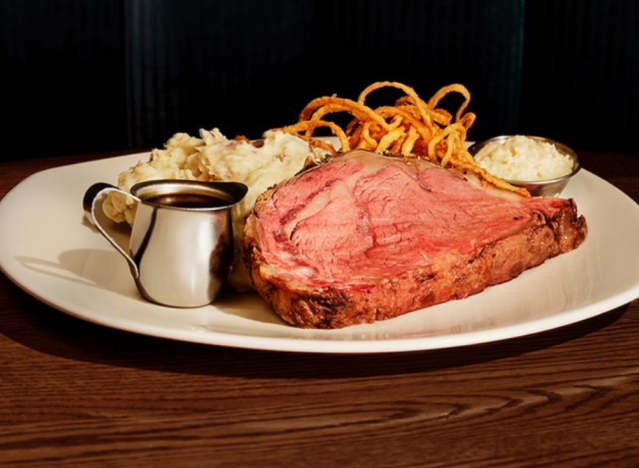
Embodying a more accessible, Western-themed steakhouse experience, Black Angus Steakhouse has been serving hearty portions of beef since 1964. With locations primarily across the Western United States, it has carved out a niche for providing a classic American steakhouse meal in a relaxed setting. Their prime rib is a signature item, prepared with a distinct dry rub that enhances its natural beefy flavor before being slow-roasted to achieve optimal tenderness. Among their offerings, the 24-ounce prime rib stands out as a particularly formidable choice. This colossal cut is presented with a choice of house-made au jus or creamy horseradish, allowing diners to customize their experience. Patrons frequently commend the kitchen’s ability to cook these large portions to precise specifications, often noting the perfect medium-rare doneness that reveals a deep red interior and a flavorful, seared exterior. The substantial size of their prime rib reinforces Black Angus’s commitment to delivering a satisfying and generous meal, aligning with the brand’s image of robust, no-frills steakhouse dining.
The Keg Steakhouse + Bar:
Originating in Canada and expanding into select U.S. markets, The Keg Steakhouse + Bar has built a loyal following based on its consistent quality, inviting ambiance, and approachable menu. While offering a diverse range of steaks and seafood, their prime rib garners significant praise. The 18-ounce prime rib is a highlight, known for its juicy texture and rich flavor, indicative of careful slow-roasting techniques. Customer testimonials frequently highlight this dish as a standout, often describing it as exceptionally tender and flavorful, particularly when ordered medium-rare. The Keg’s success in consistently delivering such a well-regarded prime rib, even at a generous 18 ounces, speaks to their rigorous preparation standards and their focus on culinary execution. It positions their prime rib not merely as a large meal, but as a high-quality, memorable option for special occasions or a satisfying dinner any day of the week.
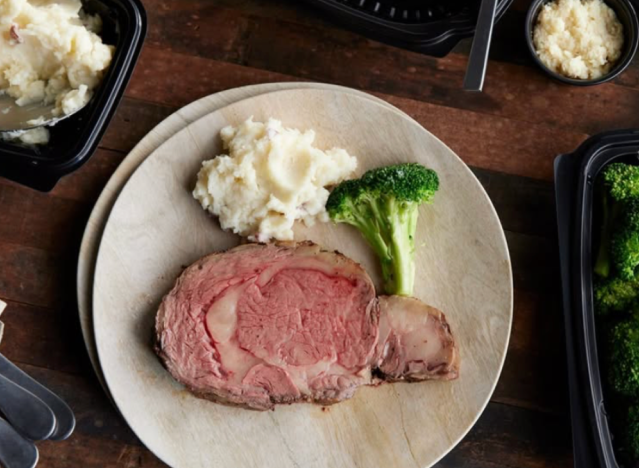
Chart House:
Known for its stunning waterfront locations and an upscale dining experience that often pairs prime seafood with prime cuts of beef, Chart House offers a unique take on the traditional steakhouse. While celebrated for its fresh fish, the restaurant’s commitment to quality extends to its meat offerings, including a highly acclaimed prime rib. The "Callahan Herb Crusted + Slow Roasted Prime Rib" is their substantial offering, weighing in at a respectable 18 ounces. This particular preparation distinguishes itself with a flavorful herb crust, adding an aromatic dimension to the slow-roasted beef. The combination of the prime rib’s inherent richness with the savory herb infusion creates a complex and deeply satisfying flavor profile. Diners frequently express their delight, noting the perfect cooking and the ease with which the fork glides through the tender meat. Chart House successfully integrates a substantial prime rib into a broader, sophisticated menu, ensuring that even amidst a variety of gourmet options, their beef offering remains a strong contender for those seeking an ample and exquisitely prepared meal.
801 Chophouse:
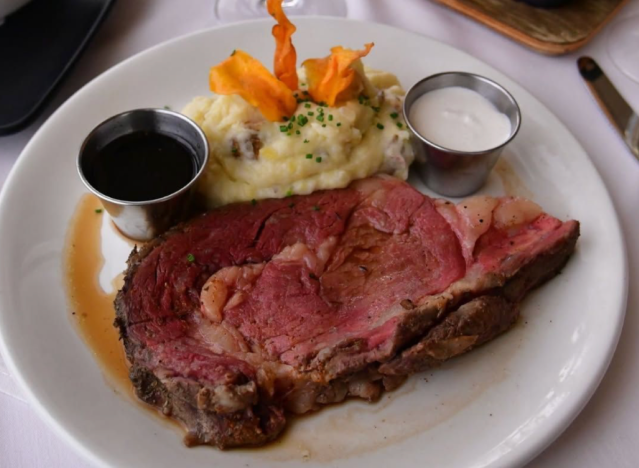
Positioned as a luxury steakhouse with a focus on dry-aged USDA Prime beef, 801 Chophouse caters to a discerning clientele seeking an elevated dining experience. While their menu showcases a range of high-end steaks, their prime rib options are particularly noteworthy for their quality and size. The "801 Cut Bone In Prime Rib" is a testament to their dedication to providing an exceptional culinary offering. While the exact weight is often not explicitly advertised, it is widely acknowledged by patrons as being well over a pound, presenting a remarkably thick and substantial portion. Diners consistently rank it among the finest prime ribs they have ever tasted, citing its superb thickness, beautiful color, and profound flavor. The "middle" or leaner part of the cut is often highlighted for its generous size and exquisite tenderness. 801 Chophouse’s approach emphasizes meticulous preparation and a commitment to serving only the highest quality ingredients, ensuring that their robust prime rib not only satisfies a hunger for quantity but also meets the exacting standards of a true chophouse connoisseur.
The sustained popularity of these exceptionally large prime rib portions underscores a fundamental aspect of the dining landscape: the enduring appeal of indulgence and value. For these restaurant chains, offering such substantial cuts is more than a menu item; it’s a statement of identity, a nod to tradition, and a direct response to a consumer desire for memorable, generous meals. In an age of evolving culinary trends, the classic, grand prime rib remains a powerful draw, promising a dining experience that is both satisfyingly robust and undeniably luxurious.
About the Author