
A comprehensive investigation into dietary patterns and long-term cognitive health, published in the esteemed medical journal Neurology on December 17, 2025, has brought to light a compelling correlation between the consumption of specific full-fat dairy products and a diminished likelihood of developing dementia. The findings, stemming from a substantial Swedish cohort study, suggest that individuals who incorporate higher quantities of full-fat cheese and cream into their diets may possess a degree of protection against cognitive decline later in life. However, it is crucial to underscore that this study establishes an association, not a causal relationship, meaning it identifies a connection without definitively proving that these foods directly prevent dementia.
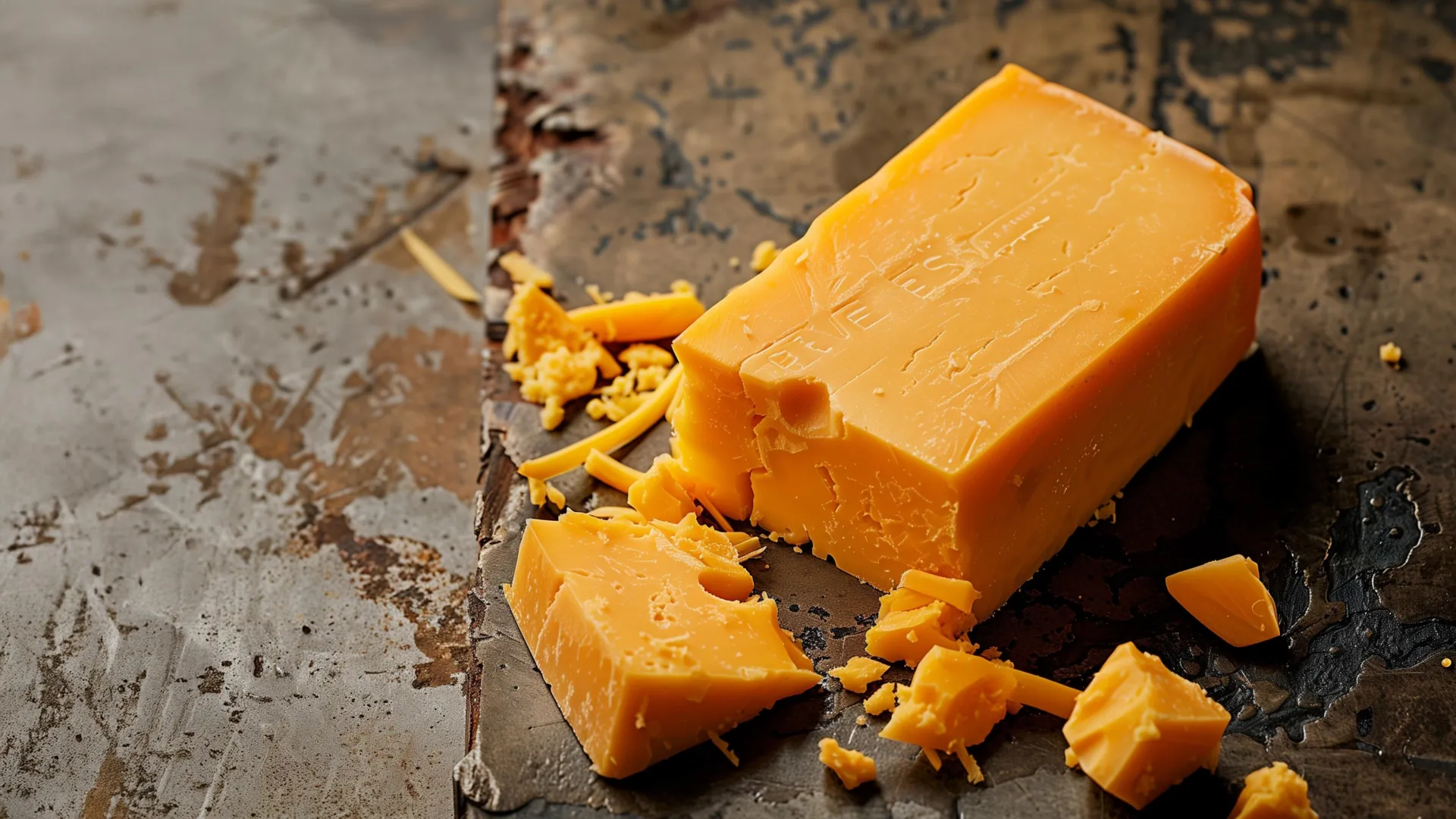
The study’s definition of "high-fat cheeses" encompasses varieties exceeding 20% fat content, a category that includes widely recognized staples such as cheddar, Brie, and Gouda. Similarly, "high-fat creams" were characterized by their fat content, generally ranging from 30% to 40%, and encompass products like whipping cream, double cream, and clotted cream – often found on grocery shelves labeled as "full-fat" or "regular." This research emerges at a time when dietary recommendations have historically oscillated, with decades of discourse often positioning high-fat foods, including cheese, as dietary components to be limited for optimal health. Dr. Emily Sonestedt of Lund University in Sweden, a lead researcher on the project, noted that these findings potentially challenge long-standing assumptions about the role of dietary fat in brain health, indicating that certain high-fat dairy sources might, contrary to some prevailing advice, contribute to a lower risk of cognitive impairment.
The longitudinal design of this study involved meticulously tracking the dietary habits and health trajectories of a significant cohort of 27,670 adults residing in Sweden. At the commencement of the observation period, participants averaged 58 years of age. Over an extensive follow-up spanning approximately 25 years, a total of 3,208 individuals were formally diagnosed with dementia. To capture participants’ eating habits with a high degree of accuracy, the research team employed a multi-faceted approach. Participants were initially asked to meticulously record all food and beverages consumed over a single week. Furthermore, they provided detailed retrospective information regarding their typical food consumption frequency over the preceding several years and engaged in discussions with researchers to clarify their food preparation methods. This comprehensive data collection aimed to provide a robust picture of individual dietary landscapes.
A focused analysis within the study meticulously examined the relationship between daily intake of high-fat cheese and subsequent dementia diagnoses. Researchers established a comparison between individuals who reported consuming 50 grams or more of high-fat cheese daily and those whose intake was less than 15 grams per day. For context, 50 grams of cheese is roughly equivalent to two standard slices of cheddar or approximately half a cup of shredded cheese, translating to about 1.8 ounces. In contrast, a typical single serving of cheese is generally considered to be one ounce. The results revealed a notable difference in dementia incidence by the study’s conclusion: 10% of participants in the higher high-fat cheese consumption group developed dementia, compared to 13% in the group with lower consumption. After statistically controlling for potential confounding factors such as age, sex, educational attainment, and the overall quality of participants’ diets, the researchers identified a significant association: higher consumption of high-fat cheese was linked to a 13% reduction in the risk of developing dementia.
When delving into specific subtypes of dementia, the observed association was particularly pronounced for vascular dementia. Individuals who reported higher daily intake of high-fat cheese exhibited a substantially lower risk, a 29% reduction, of developing this particular form of cognitive impairment. The study also identified a trend towards a reduced risk of Alzheimer’s disease among those who consumed more high-fat cheese; however, this protective association was exclusively observed in participants who did not carry the APOE e4 gene variant, a known genetic predisposition to Alzheimer’s disease. This nuance suggests a potential interaction between dietary factors and genetic susceptibility in the development of Alzheimer’s.
The research also extended its scrutiny to the consumption of high-fat cream and its potential impact on dementia risk. The study compared individuals who consumed 20 grams or more of high-fat cream daily with those who reported no consumption. Twenty grams of high-fat cream is approximately equivalent to 1.4 tablespoons of heavy whipping cream, aligning closely with recommended serving sizes of 1-2 tablespoons. Following adjustments for a similar array of health and lifestyle variables, the findings indicated that daily consumption of high-fat cream was associated with a 16% lower risk of dementia when contrasted with consuming no high-fat cream at all.
Crucially, the study underscored significant distinctions among various dairy products, highlighting that not all dairy foods demonstrated a uniform relationship with dementia risk. The researchers found no discernible association between dementia incidence and the consumption of low-fat cheese, low-fat cream, high-fat milk, low-fat milk, butter, or fermented milk products such as yogurt, kefir, and buttermilk. This observation reinforces the notion that the fat content and specific composition of dairy items may play a critical role in their impact on cognitive health. Dr. Sonestedt reiterated this point, stating that "these findings suggest that when it comes to brain health not all dairy is equal." She emphasized that while increased intake of high-fat cheese and cream was linked to a reduced dementia risk, other dairy categories and their lower-fat counterparts did not yield similar effects. She further advised that additional research is warranted to validate these findings and to more thoroughly investigate whether the consumption of certain high-fat dairy products truly confers protective benefits for the brain.
The study acknowledges certain limitations that warrant consideration. A primary limitation is that the entire participant pool was drawn from Sweden, which means the applicability of these findings to populations in other countries may be constrained. Dr. Sonestedt pointed out that dietary habits are inherently diverse across different geographical regions. For instance, cheese consumption in Sweden often involves eating it uncooked, whereas in the United States, cheese is frequently incorporated into cooked dishes or consumed alongside meats. Given these cultural and culinary divergences, she stressed the importance of conducting similar investigations in diverse settings, such as the United States, to ascertain whether these associations hold true across different populations and dietary contexts. The research was generously supported by grants from the Swedish Research Council, the Swedish Heart and Lung Foundation, the Crafoord Foundation, the Magnus Bergvall Foundation, and the Albert Påhlsson Foundation, underscoring the collaborative and well-funded nature of this significant inquiry into diet and cognitive well-being.
About the Author












