
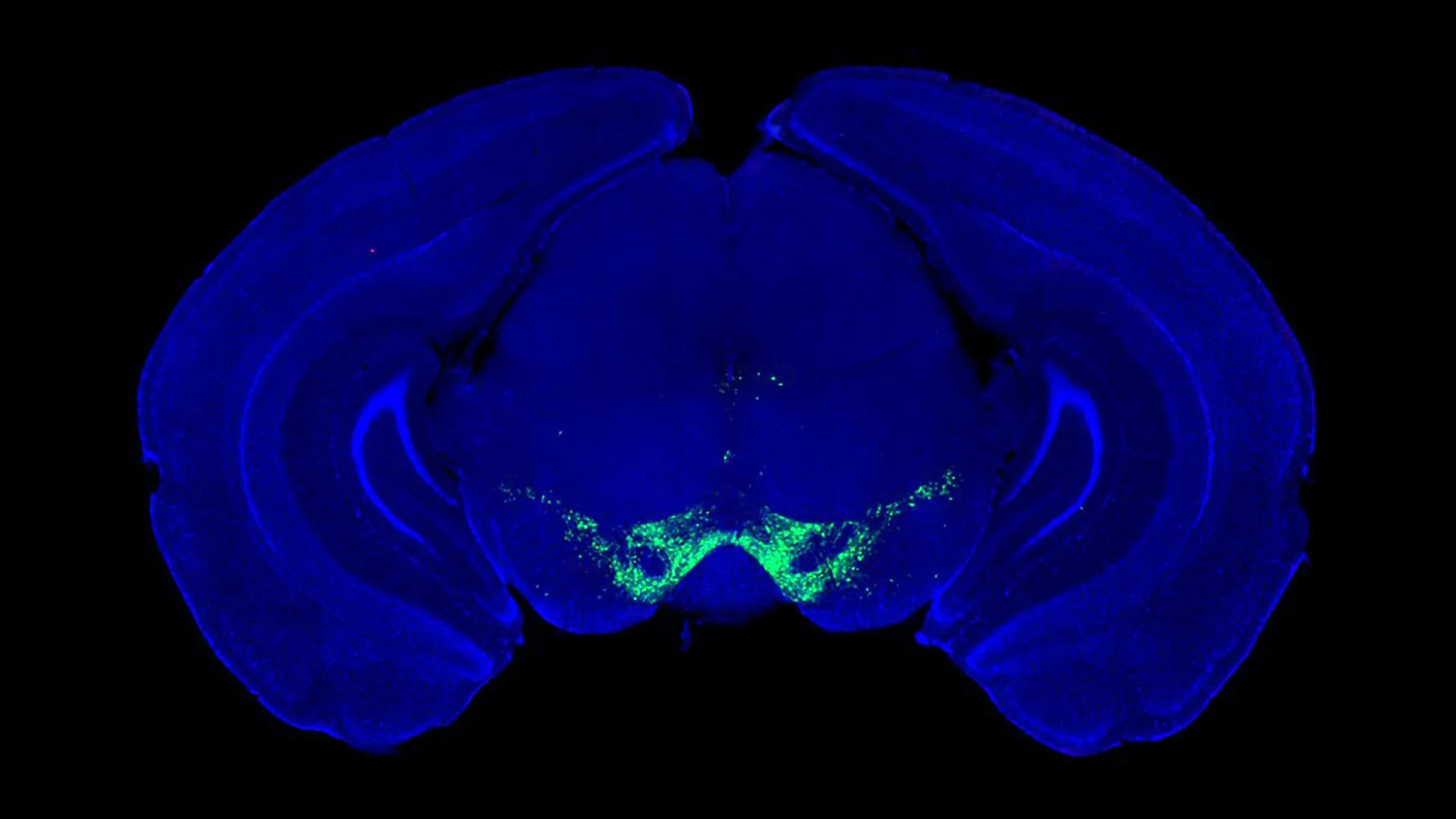
A groundbreaking investigation spearheaded by scientists at McGill University is prompting a significant re-evaluation of established neurological paradigms concerning dopamine’s influence on voluntary movement, with profound implications for our understanding of Parkinson’s disease and the efficacy of its therapeutic interventions. The research, detailed in the prestigious journal Nature Neuroscience, challenges the long-held conviction that dopamine directly dictates the velocity and intensity of physical actions. Instead, the findings propose that dopamine’s primary function lies in establishing the fundamental prerequisites for motor activity, rather than serving as a moment-to-moment regulator of its execution.
Senior author Nicolas Tritsch, an Assistant Professor in McGill’s Department of Psychiatry and a researcher at the Douglas Research Centre, articulated the study’s central thesis: "Our findings suggest we should rethink dopamine’s role in movement." He further elaborated that the restoration of dopamine to baseline levels, rather than fine-tuning specific signaling patterns, might be the key to improving motor function. This perspective could considerably simplify the conceptual framework surrounding Parkinson’s disease treatment.
Dopamine’s established connection to motor vigor—the capacity for swift and forceful physical exertion—is a cornerstone of current neurological understanding. Parkinson’s disease is characterized by the progressive degeneration of the dopaminergic neurons responsible for dopamine production, leading to the cardinal symptoms of bradykinesia (slowness of movement), tremors, rigidity, and postural instability. Levodopa, the cornerstone pharmacological treatment for Parkinson’s, aims to ameliorate these symptoms by boosting dopamine levels within the brain. However, the precise neurobiological underpinnings of levodopa’s success have remained somewhat enigmatic. Recent advancements in brain imaging technologies, capable of detecting transient elevations in dopamine concentrations during motor tasks, had fostered the hypothesis that these rapid dopamine surges were directly responsible for modulating movement vigor. The current study critically interrogates this widely accepted assumption.
The research posits a fundamental shift in perspective: dopamine does not function as a direct controller of movement dynamics. Rather, its role is more akin to a foundational support system. Tritsch aptly illustrates this distinction by comparing dopamine not to a throttle that controls speed, but to engine oil, indispensable for the system’s operation but not the determinant of an action’s pace. This analogy highlights dopamine’s role in creating the necessary permissive environment for movement to occur.
To rigorously test this hypothesis, the research team employed an innovative experimental design in a rodent model. Utilizing a sophisticated optogenetic technique, they were able to precisely control the activity of dopamine-producing neurons in mice while the animals engaged in a lever-pressing task, a proxy for voluntary motor execution. The core of the experiment involved manipulating dopamine levels—essentially switching the dopamine-producing cells "on" or "off"—at critical junctures during the motor sequence. The expectation, based on the prevailing theory, was that altering dopamine release during the actual act of pressing the lever would directly impact the speed and force of the mice’s movements. However, the results demonstrably contradicted this prediction; adjusting dopamine activity concurrent with the motor action had no discernible effect on the vigor of the performed movement.
Further investigations delved into the mechanism of levodopa itself. The study’s findings indicated that the therapeutic benefits of levodopa stem from its capacity to elevate the overall baseline concentration of dopamine in the brain, rather than its ability to reinstate the short-lived dopamine bursts previously thought to be crucial for movement vigor. This observation strengthens the argument for dopamine’s foundational, rather than regulatory, role in motor control.
The implications of this paradigm shift are far-reaching, particularly for the development of more effective and targeted treatments for Parkinson’s disease. With an estimated 110,000 Canadians currently living with the condition, and projections indicating a doubling of this figure by 2050 due to an aging population, the need for innovative therapeutic strategies is paramount. A more profound understanding of how levodopa exerts its effects could pave the way for future interventions that prioritize the maintenance of stable, physiological dopamine levels, rather than focusing on transient signaling events.
Moreover, these findings encourage a critical re-examination of existing treatment modalities. Dopamine receptor agonists, a class of drugs that mimic dopamine’s action, have historically offered symptomatic relief but have often been associated with significant side effects due to their broad impact on widespread brain regions. The novel insight into dopamine’s functional role may empower researchers to design next-generation therapies with greater specificity, potentially minimizing off-target effects and enhancing therapeutic precision. This could involve developing agents that more subtly influence the dopaminergic system’s basal state, leading to improved motor control with a better safety profile.
The study, titled "Subsecond dopamine fluctuations do not specify the vigor of ongoing actions," was authored by Haixin Liu and Nicolas Tritsch, among other collaborators. This significant research endeavor received crucial financial support from the Canada First Research Excellence Fund, administered through McGill University’s Healthy Brains, Healthy Lives initiative, and the Fonds de Recherche du Québec. The collaborative effort and robust funding underscore the international significance and potential impact of this revised understanding of dopamine’s fundamental contribution to human locomotion. By questioning long-held assumptions, this work opens new avenues for scientific inquiry and offers renewed hope for individuals affected by Parkinson’s disease.
About the Author












