Navigating the hygiene of public restrooms presents a common dilemma, particularly for individuals with specific health needs or those responsible for young children who require more frequent access to facilities. While many instinctively assess the visual cleanliness of a toilet seat, the reality of germ transmission in these shared spaces extends far beyond this singular point of contact. The perceived dirtiest element often fails to capture the full scope of potential microbial hazards lurking within a public lavatory, prompting a deeper examination of how these environments become breeding grounds for microscopic organisms and how individuals can best mitigate their exposure.
The human body is a constant source of microbial shedding, with individuals expelling significant quantities of urine and fecal matter daily, each carrying a complex community of bacteria and viruses. In the context of public restrooms, particularly those experiencing high volumes of use and infrequent cleaning protocols, these naturally occurring microbes can proliferate. When individuals experience conditions like diarrhea, the concentration of potentially pathogenic microorganisms can escalate dramatically, transforming the restroom environment into what scientific literature has described as a "microbial soup." This accumulation poses a silent threat, even in facilities that appear superficially clean.
Numerous scientific investigations have meticulously documented the presence of a diverse array of microorganisms on various surfaces within public bathrooms. While toilet seats have been a focal point of public concern, research consistently indicates that they are not necessarily the most heavily contaminated areas. Instead, frequently touched high-traffic surfaces such as door handles, faucet controls, and flush mechanisms often harbor a greater microbial load. This is a direct consequence of their constant interaction with hands, which, even after attempts at washing, can transfer a spectrum of bacteria and viruses. The sheer volume of usage in busy public spaces – sometimes numbering in the hundreds or thousands of weekly visits – amplifies the potential for cross-contamination, especially in locations where cleaning schedules are less frequent, such as parks or transit hubs. Visible indicators of inadequate sanitation, including persistent odors, soiled flooring, and evident grime, serve as stark reminders of the unchecked microbial proliferation occurring within.
A significant, often underestimated, risk associated with public restrooms arises not from direct contact but from the act of flushing. When a toilet is flushed with the lid open, a phenomenon known as a "toilet plume" is generated. This forceful expulsion of water and waste can aerosolize microscopic droplets containing bacteria and viruses, propelling them into the air. These airborne particles can travel considerable distances, with studies demonstrating their reach up to two meters from the source. Furthermore, the presence of hand dryers, while intended for hygiene, can inadvertently contribute to germ dispersal. If hands are not meticulously washed before drying, these devices can redistribute any lingering microbes onto the user’s skin, other individuals, and the surrounding environment, effectively creating a secondary vector for contamination.
The pathways through which pathogens enter the body within a public restroom are multifaceted. Direct contact with contaminated surfaces, followed by touching the face, eyes, nose, or mouth, is a primary route. Inhaling airborne droplets generated by flushing or present in the air due to poor ventilation can also lead to infection. While less common, ingesting contaminated food or drink brought into the restroom area, or contact with contaminated personal items such as mobile phones, can introduce pathogens into the system. The transfer of microbes from fecal matter to hands, and subsequently to other surfaces, forms a critical link in the chain of transmission.
Fortunately, proactive measures can significantly reduce the risk of encountering and contracting infections in public lavatories. Cultivating diligent hand hygiene practices is paramount. This involves thorough washing with soap and water for at least 20 seconds, paying close attention to all surfaces of the hands, followed by a complete rinse and drying. Opting for paper towels to dry hands, rather than air dryers, is advisable to minimize potential exposure to airborne germs. When direct contact with surfaces is unavoidable, utilizing disposable barriers like paper towels to operate handles and controls can provide an additional layer of protection. It is also prudent to avoid placing personal belongings directly on restroom surfaces.
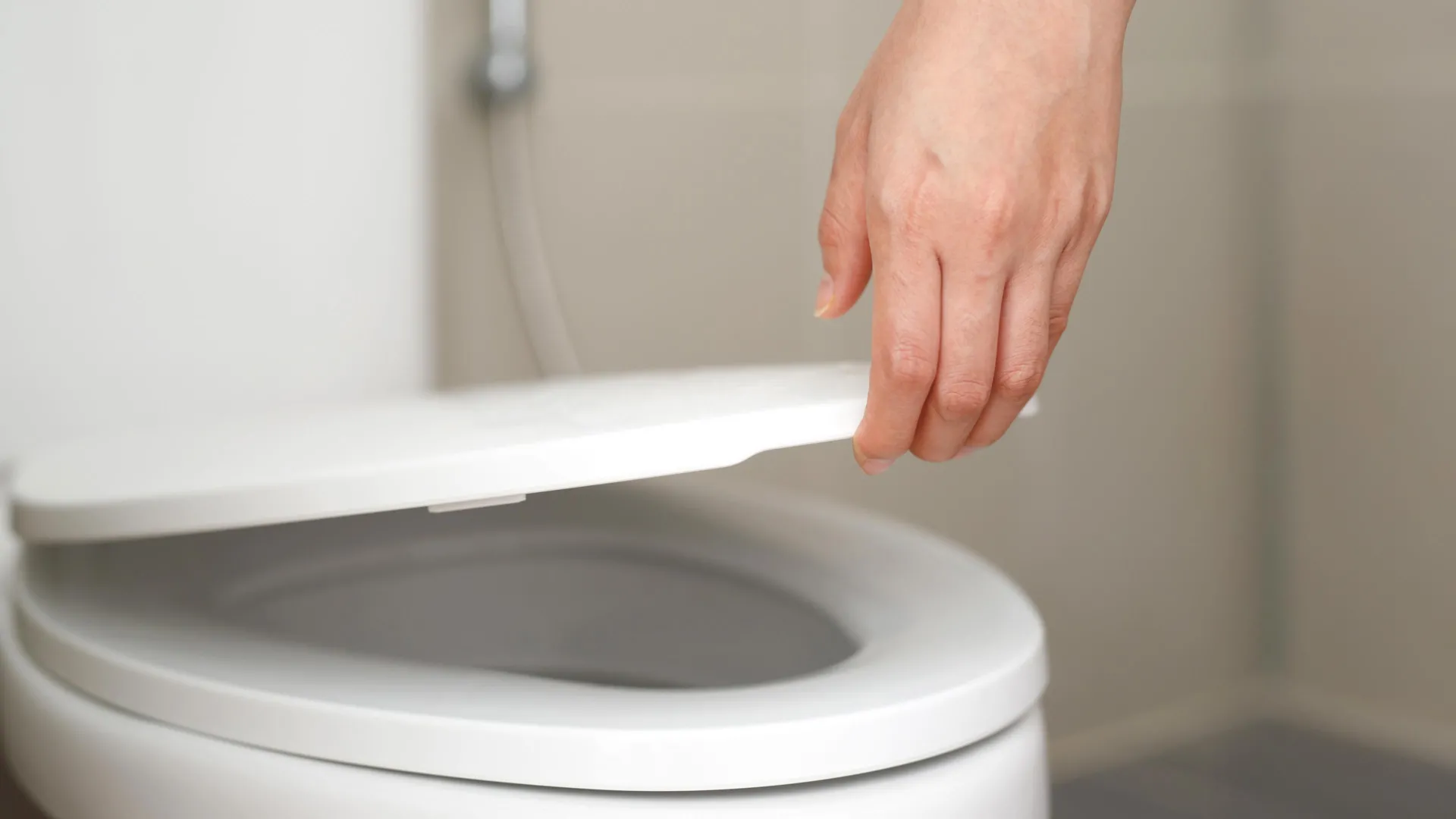
For the majority of healthy individuals, the act of sitting on a public toilet seat poses a minimal risk of infection. The skin acts as a formidable barrier, and most common restroom microbes are not readily transmitted through casual contact with the seat. Concerns about sitting can be assuaged by a quick wipe of the seat with toilet paper or the use of disposable seat covers, offering a psychological as well as a practical measure of reassurance. The primary vectors for infection in these settings are far more likely to be contaminated hands, the myriad of frequently touched surfaces, the aforementioned airborne droplets, and personal items that have been exposed to the restroom environment.
Therefore, shifting the focus from solely the toilet seat to a holistic approach to hygiene is the most effective strategy for safeguarding one’s health in public restrooms. Prioritizing rigorous handwashing, judiciously selecting paper towels over air dryers, actively cleaning surfaces when necessary, and maintaining the cleanliness of personal items such as mobile phones are all crucial components of this defense. An often-overlooked aspect is the practice of "hovering" over the toilet seat, a posture that can exert undue strain on the pelvic floor muscles, potentially hindering complete bladder emptying and paradoxically increasing the likelihood of splashing, which can then contaminate surrounding areas. Embracing a comprehensive hygiene regimen, rather than fixating on a single perceived threat, offers the most robust protection against the microbial challenges presented by public restroom facilities.
About the Author