A significant portion of individuals who contract SARS-CoV-2, the virus responsible for COVID-19, continue to experience a range of debilitating symptoms for extended periods, a phenomenon now widely recognized as Long COVID. While estimates vary, in some regions like Germany, up to ten percent of infected individuals may develop this prolonged condition. The manifestations of Long COVID are remarkably diverse, encompassing persistent and overwhelming fatigue, profound difficulties with cognitive functions such as concentration and memory, chronic respiratory distress, and various neurological disturbances. These ailments can persist for months, and in some cases, even years, presenting a formidable challenge to both patients and the medical community due to their heterogeneous nature.
Professor Yang Li, who leads the "Computational Biology for Individualized Medicine" department and directs the Center for Individualized Infection Medicine (CiiM), emphasized the profound complexity of Long COVID. "Long COVID presents as an extraordinarily intricate disease with a multitude of presentations," Professor Li stated, likening the current understanding of its underlying mechanisms to examining an "extremely incomplete puzzle." The precise mechanisms driving the development and persistence of these symptoms remain largely elusive, making effective diagnosis and treatment a significant hurdle.
In an effort to illuminate the biological underpinnings of this persistent condition, a dedicated research consortium, spearheaded by Professor Yang Li, collaborated with esteemed colleagues including Professor Thomas Illig from the Hannover Medical School (MHH) and Professor Jie Sun from the University of Virginia in the United States. The collective objective of this interdisciplinary team was to pinpoint the specific biological pathways and cellular changes that could account for the enduring symptomatology experienced by Long COVID sufferers.
The cornerstone of their investigation involved the meticulous examination of immune cells meticulously collected from patients diagnosed with Long COVID. These invaluable biological samples were sourced from the central biobank maintained by the Hannover Medical School. Dr. Saumya Kumar, a distinguished scientist at CiiM and the principal author of the study, explained the sophisticated methodology employed: "We subjected these cells to a cutting-edge single-cell multiomics approach. This advanced technique enabled us to simultaneously analyze the molecular landscape within individual cells, thereby providing profound insights into their intricate internal states and their interrelationships."
Complementing the cellular analysis, the researchers also quantified the levels of various cytokines circulating in the blood plasma of the study participants. Cytokines are a class of signaling molecules crucial to the immune system’s communication network, and elevated levels are frequently indicative of underlying inflammatory processes within the body. Professor Li highlighted a particularly innovative aspect of their research design: "The central and novel contribution of our study lies in our systematic classification of patient data based on the initial severity of their acute COVID-19 illness. This granular approach allowed us to discern distinct molecular differences in the immune response patterns across patients, thereby enabling the identification of clear molecular signatures associated with the chronic symptoms of Long COVID."
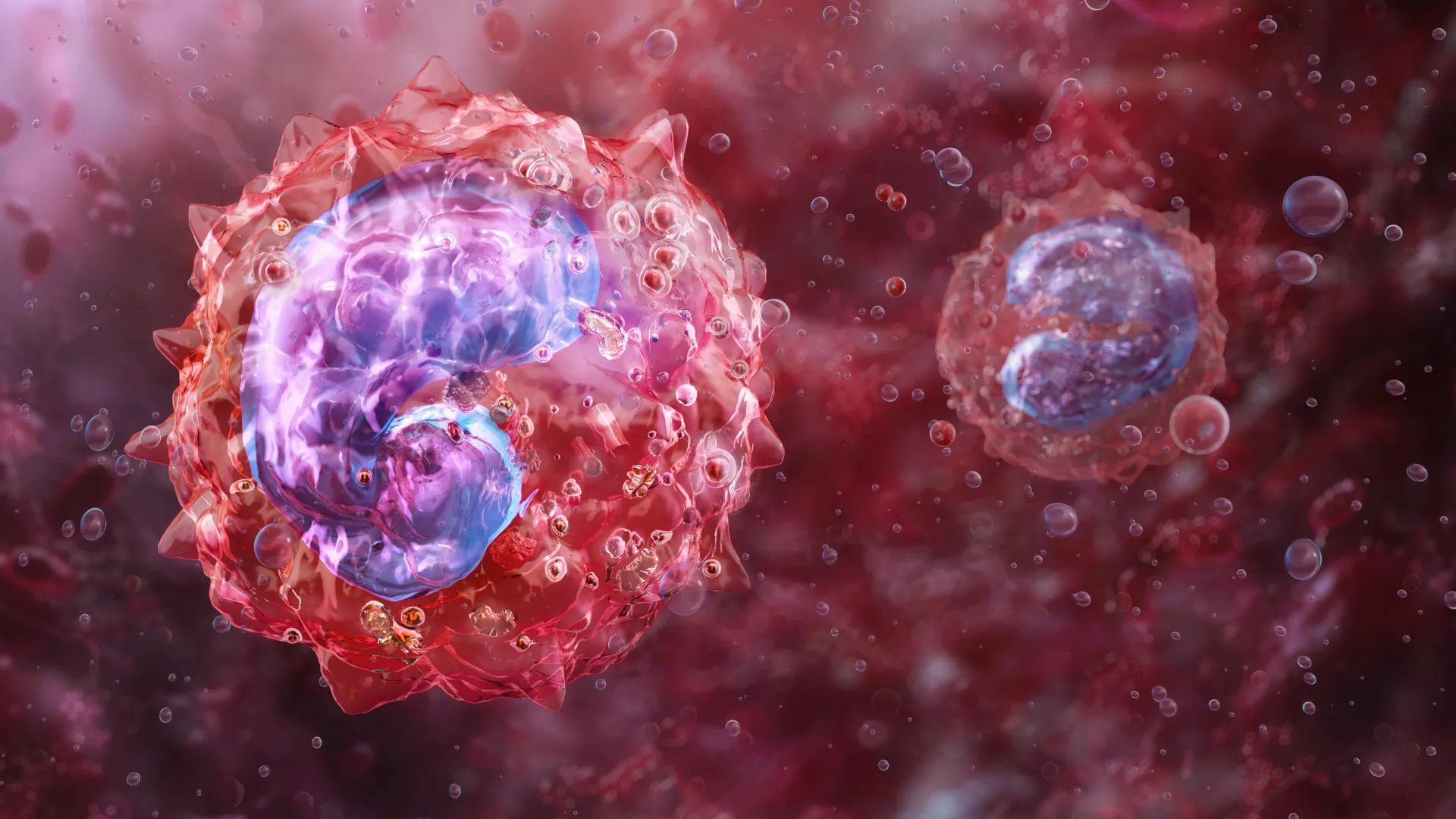
Through extensive and large-scale data analysis, the research team homed in on a particular molecular signature observed in a specific subtype of white blood cells known as CD14+ monocytes. These monocytes are pivotal players in the body’s innate immune defense system, tasked with engulfing pathogens and initiating inflammatory responses. The study’s findings revealed that these CD14+ monocytes, when exhibiting a distinct molecular profile that the researchers termed "LC-Mo," were disproportionately abundant in individuals who had experienced mild to moderate forms of the initial COVID-19 infection.
Dr. Saumya Kumar elaborated on this pivotal discovery: "Employing single-cell analysis, we were able to achieve an unprecedented level of detail in examining these monocytes. This deep dive unveiled that monocytes characterized by a specific molecular state, which we designated ‘LC-Mo,’ were particularly prevalent among Long COVID patients who had initially presented with mild to moderate COVID-19. Furthermore, the presence and abundance of LC-Mo demonstrated a significant correlation with the severity of fatigue and respiratory symptoms experienced by these patients. Concurrently, we observed elevated levels of cytokines in their blood plasma, serving as a clear indicator of ongoing inflammatory processes within the body."
The identification of this specific immune cell state, LC-Mo, represents a significant breakthrough and offers a promising new avenue for understanding the complex pathology of Long COVID. While the precise mechanisms by which this particular monocyte subtype contributes to the persistent symptoms remain a subject for further investigation, its discovery opens up exciting possibilities for future research endeavors. These may include exploring potential genetic predisposition factors that influence the development of this immune cell state and paving the way for the development of more personalized and targeted therapeutic interventions.
"While its exact role in the pathogenesis of Long COVID is yet to be fully elucidated, this finding provides compelling starting points for subsequent research, particularly concerning genetic risk factors and the advancement of individualized medicine," Professor Li remarked. He further posited the broader implications of this research, stating, "A deeper comprehension of the factors driving the development of Long COVID could significantly enhance our understanding of the long-term consequences and potential delayed effects that may arise from other infectious diseases as well."
The groundbreaking research that led to this significant discovery was generously supported by multiple funding sources. These include an ERC Starting Grant awarded under the ModVaccine initiative, the COVID-19 Research Network of Lower Saxony (COFONI), and the Lower Saxony Centre for AI & Causal Methods in Medicine (CAIMed). Both COFONI and CAIMed receive crucial support from the Lower Saxony Ministry of Science and Culture (MWK). Additionally, the Federal Ministry of Research, Technology and Space (BMFTR) provided essential financial backing for this vital scientific undertaking.
About the Author