
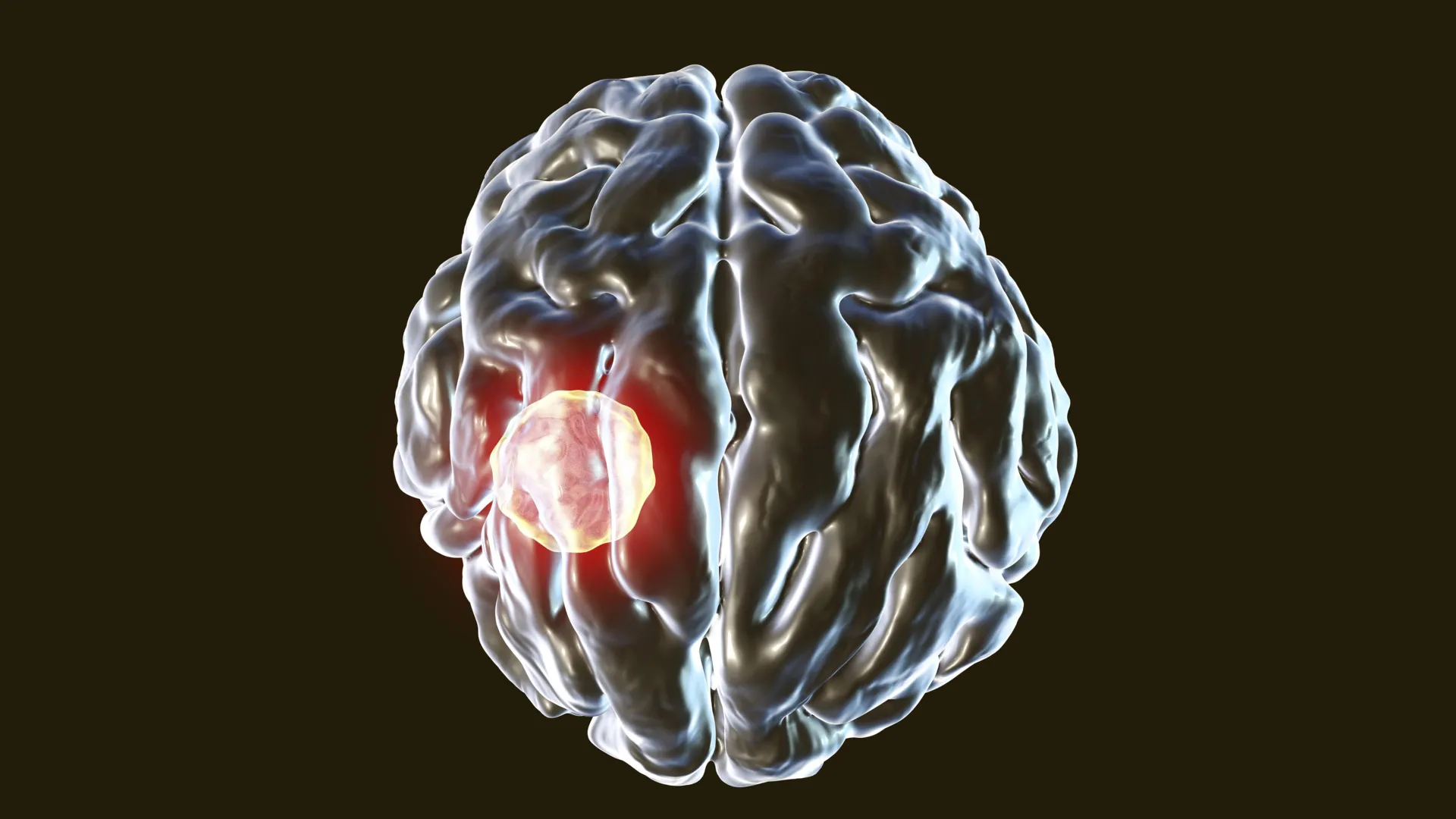
A significant portion of the global population, estimated at approximately one-third, harbors a microscopic organism known as Toxoplasma gondii, a protozoan parasite with a remarkable capacity to infiltrate the central nervous system. While the presence of this pathogen often goes unnoticed, manifesting no discernible symptoms in the majority of its hosts, new scientific inquiry from the University of Virginia (UVA) Health system has illuminated a sophisticated, albeit perilous, mechanism by which the human body actively combats its insidious presence, particularly within the very cellular soldiers tasked with its eradication. This research delves into the intricate molecular dialogue that governs the survival of both the host and the invader, pinpointing a crucial "kill switch" that, when activated, effectively contains the parasitic threat.
The ubiquitous nature of Toxoplasma gondii stems from its widespread distribution among warm-blooded animals, including humans, and its varied transmission routes. Exposure commonly occurs through direct contact with domestic cats, definitive hosts for the parasite, or via the ingestion of undercooked meat, unwashed produce, or contaminated water. Once it breaches the body’s defenses, Toxoplasma gondii embarks on a migratory journey, potentially affecting multiple organ systems before establishing a chronic, lifelong residency within the brain. The disease it causes, toxoplasmosis, typically presents a mild or asymptomatic course in immunocompetent individuals. However, for those with compromised immune systems, such as organ transplant recipients or individuals with HIV/AIDS, the infection can escalate into severe, life-threatening conditions, leading to neurological disorders, ocular inflammation, and even fetal damage in cases of congenital transmission.
The recent groundbreaking study, spearheaded by Dr. Tajie Harris, a leading figure at UVA’s Center for Brain Immunology and Glia (BIG Center), focused on a specific class of immune cells: the CD8+ T lymphocytes. These cytotoxic T cells are renowned for their direct role in identifying and eliminating cells that have been infected by viruses or other intracellular pathogens. The research sought to unravel the intricate interplay between Toxoplasma gondii and these crucial immune sentinels, particularly the surprising finding that the parasite can, in fact, infect these very cells designed to destroy it. Understanding this complex interaction is paramount, not only for appreciating the body’s innate defense strategies but also for developing more effective therapeutic interventions for vulnerable populations.
Dr. Harris elaborated on the prevailing understanding of T cell involvement in combating Toxoplasma gondii, noting that prior to this research, the accepted mechanisms primarily involved T cells either directly destroying infected host cells or signaling other immune components to neutralize the parasite. The revelation that CD8+ T cells themselves can become infected and subsequently trigger their own demise represents a significant paradigm shift. "The parasite needs a living host cell to survive and replicate," Dr. Harris explained, "therefore, the programmed death of an infected T cell effectively represents a catastrophic failure for the parasite." This self-sacrificing act by the T cells acts as a potent containment strategy. The implications of this discovery extend beyond fundamental immunology, offering potential avenues for therapeutic development aimed at bolstering this natural defense mechanism in individuals at high risk for severe toxoplasmosis.
Central to this cellular self-termination process is a critical enzyme known as caspase-8. The research team identified caspase-8 as the linchpin in the CD8+ T cells’ ability to control T. gondii infection. This enzyme plays a pivotal role in orchestrating programmed cell death, a highly regulated process essential for maintaining tissue homeostasis and eliminating damaged or infected cells. In a series of meticulously designed experiments utilizing murine models, the researchers observed a stark contrast in the parasitic burden within the brains of mice engineered to lack caspase-8 in their T cells compared to their healthy counterparts. Despite both groups mounting robust immune responses to the initial infection, the mice deficient in caspase-8 exhibited significantly higher levels of T. gondii in their brains, ultimately succumbing to severe illness and mortality.
Conversely, mice with functional caspase-8 within their T cells managed to maintain the infection at significantly lower levels, remaining healthy. Histopathological examination of brain tissue from these mice revealed that their CD8+ T cells were far less likely to be harboring the parasite. This compelling evidence strongly suggests that caspase-8 is not merely an accessory player but a vital component in limiting the intracellular proliferation of T. gondii within T cells. Furthermore, these findings contribute to a growing body of scientific literature underscoring the broad significance of caspase-8 in the body’s defense against a diverse array of infectious agents.
The pervasive ability of pathogens to infect and subvert the immune system has long been a subject of intense scientific scrutiny. Dr. Harris noted that when the team scoured existing scientific literature for documented instances of pathogens successfully infecting T cells, the number of reported cases was surprisingly low. This scarcity, the researchers now hypothesize, can be attributed, at least in part, to the widespread presence and critical function of caspase-8. The enzyme’s ability to initiate T cell apoptosis effectively acts as a formidable barrier, allowing only those pathogens that have evolved sophisticated mechanisms to evade or neutralize caspase-8’s pro-death signaling to thrive within these vital immune cells. "Prior to our study," Dr. Harris remarked, "we had an incomplete understanding of the specific molecular pathways that protected the brain from Toxoplasma infection, especially considering the parasite’s propensity to infect host cells."
The ramifications of this research are far-reaching, offering new insights into the complex, often counterintuitive, strategies employed by the immune system to combat persistent threats. The identification of caspase-8 as a key mediator in this defense mechanism opens new avenues for therapeutic intervention. Strategies aimed at enhancing or pharmacologically activating caspase-8 activity in CD8+ T cells could potentially offer a novel approach to treating or preventing toxoplasmosis, particularly in immunocompromised individuals. The study, published in the prestigious journal Science Advances, was a collaborative effort involving a multidisciplinary team of researchers, including Lydia A. Sibley, Maureen N. Cowan, Abigail G. Kelly, NaaDedee A. Amadi, Isaac W. Babcock, Sydney A. Labuzan, Michael A. Kovacs, Samantha J. Batista, and John R. Lukens, working under Dr. Harris’s leadership. The researchers have declared no conflicts of interest related to this work. The extensive research was supported by grants from the National Institutes of Health (NIH) under various grant numbers, including R01NS112516, R01NS134747, R21NS12855, T32GM008715, T32AI007496, T32AI007046, T32NS115657, F30AI154740, T32AI007496, and T32GM007267. Additional support was provided by a University of Virginia Pinn Scholars Award, a UVA Shannon Fellowship, and UVA’s Strategic Investment Fund, underscoring the institutional commitment to advancing fundamental scientific understanding of health and disease.
About the Author












