Researchers at the University of Missouri have pioneered a groundbreaking diagnostic tool that promises to revolutionize the identification of cancer patients most receptive to highly specific therapeutic interventions. This innovative approach hinges on a sophisticated molecular beacon capable of vividly highlighting cancerous growths within medical imaging, thereby offering a clearer path toward personalized treatment strategies. The core of this development lies in a meticulously engineered miniature antibody, a creation of Dr. Barry Edwards, an associate professor of biochemistry within the School of Medicine. This specialized antibody possesses an uncanny ability to selectively bind to EphA2, a protein that is demonstrably overexpressed in a significant proportion of malignant tumors.
The ingenuity of Dr. Edwards’ work extends beyond the mere creation of this EphA2-seeking antibody; he has ingeniously conjugated it with a radioactive isotope. This radioactive tag transforms the antibody into a luminous tracer, rendering it exquisitely visible when subjected to Positron Emission Tomography (PET) scans. In rigorous preclinical investigations conducted on laboratory animals, this novel imaging agent, affectionately termed a "cancer flashlight" by the research team, unequivocally pinpointed tumors exhibiting high concentrations of EphA2. The implications of these findings are profound, suggesting that this antibody-based detection method could empower clinicians to not only identify the presence of EphA2-positive cancers but also to accurately stratify patients based on their likelihood of responding favorably to therapies specifically designed to target this protein. Such targeted treatments aim to attack cancerous cells while meticulously preserving the integrity of surrounding healthy tissues, a cornerstone of modern oncological advancement.
"Our ability to precisely quantify the levels of EphA2 within a patient’s tumor provides a critical predictive biomarker," explained Dr. Edwards, who also holds an appointment in the College of Arts and Science. "This insight allows us to confidently ascertain which individuals stand to gain the most from therapies engineered to act upon EphA2-expressing cells. Administering treatments that are unlikely to yield a positive outcome is not only a disservice to the patient but also represents a considerable expenditure of valuable resources and time. Consequently, this novel diagnostic paradigm we have developed not only streamlines the treatment selection process but also significantly contributes to the broader objective of advancing precision medicine."
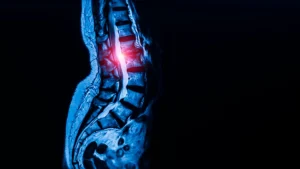
The conventional diagnostic arsenal for evaluating cancerous masses typically involves invasive procedures such as biopsies, which involve surgically extracting tissue samples for microscopic examination, and Magnetic Resonance Imaging (MRI) scans. While valuable, these traditional methods can be physically taxing for patients, demand considerable processing time, and frequently offer only a generalized overview of the cellular characteristics within a tumor. They often fall short of providing the granular molecular detail necessary for truly personalized therapeutic decisions. Dr. Edwards, leveraging the state-of-the-art imaging capabilities available at the University of Missouri’s Molecular Imaging and Theranostics Center, envisions a future where this advanced imaging technique transitions from its current preclinical stage to encompass human clinical trials within the next seven years.
"The noninvasive nature of this newly developed targeted imaging approach offers a dramatic improvement over existing diagnostic protocols," Dr. Edwards emphasized. "Furthermore, the rapidity with which diagnostic results can be obtained is a significant advantage, particularly for patients who often undertake arduous journeys to access specialized medical care. Receiving diagnostic information within hours, rather than days, can be an immense relief and a critical factor in facilitating timely treatment initiation. By simplifying and accelerating the diagnostic process for both patients and healthcare providers, we are actively demonstrating that the principles of precision medicine yield a mutually beneficial outcome."
This pioneering research, meticulously detailed in a study titled "Preclinical evaluation of anti-EphA2 minibody-based immunoPET agent as a diagnostic tool for cancer," has been formally published in the esteemed journal Molecular Imaging and Biology. The publication serves as a testament to the scientific rigor and potential impact of this innovative diagnostic strategy. The development of this EphA2-targeting agent represents a significant stride in the ongoing quest to refine cancer diagnosis and treatment, moving away from a one-size-fits-all approach towards a more nuanced and patient-specific model of care.
The underlying science behind this innovation involves the intricate interaction between the engineered antibody fragment, specifically a minibody, and the EphA2 receptor tyrosine kinase. EphA2 is a transmembrane protein that plays a multifaceted role in cellular processes such as cell adhesion, migration, and proliferation. Its aberrant expression is frequently observed in various types of cancer, where it can contribute to tumor growth, invasion, and the formation of new blood vessels that supply the tumor (angiogenesis). By selectively binding to EphA2, the minibody acts as a molecular probe, effectively acting as a beacon that can be detected by sensitive imaging equipment.
The radioactive isotope attached to the minibody emits positrons, which are subatomic particles that annihilate when they encounter electrons, producing gamma rays. PET scanners are designed to detect these gamma rays, allowing for the reconstruction of a three-dimensional image that maps the distribution of the radioactive tracer within the body. Areas with a higher concentration of the tracer, and therefore a higher density of EphA2-expressing tumor cells, will appear as "hot spots" in the PET scan. This visual representation provides physicians with a precise map of the tumor’s location, size, and, crucially, its molecular characteristics.
The strategic advantage of this immunoPET agent lies in its ability to provide functional information about the tumor beyond its anatomical depiction. While conventional imaging modalities like CT and MRI primarily visualize the physical structure of tissues, immunoPET offers insights into the biochemical landscape of the tumor. This molecular information is paramount for guiding therapeutic decisions, especially in the era of targeted therapies. Many modern cancer drugs are designed to inhibit specific molecular pathways or target particular proteins that are essential for cancer cell survival and proliferation. If a patient’s tumor is found to have low or absent expression of EphA2, for instance, then a therapy designed to target EphA2 would likely be ineffective, potentially leading to unnecessary side effects and a delay in initiating a more appropriate treatment.
Conversely, a high expression of EphA2, as indicated by the PET scan, would strongly suggest that the patient is a prime candidate for EphA2-targeted therapies. This targeted approach offers several benefits, including potentially higher efficacy rates, reduced toxicity to healthy tissues, and a more streamlined and efficient treatment regimen. The ability to predict treatment response before initiating therapy is a critical component of precision medicine, aiming to maximize positive outcomes while minimizing adverse events and the economic burden associated with ineffective treatments.
The transition from preclinical studies to human clinical trials represents a significant hurdle in the development of any new medical technology. Rigorous safety and efficacy evaluations are essential to ensure that the diagnostic agent is both safe for human use and reliably provides the intended diagnostic information. The seven-year timeline projected by Dr. Edwards reflects the comprehensive nature of this process, which typically involves multiple phases of clinical investigation, regulatory approvals, and manufacturing scale-up.
The potential impact of this technology extends beyond initial diagnosis and treatment selection. It could also be utilized for monitoring treatment response over time, assessing the recurrence of cancer, or even identifying micrometastases that may be too small to be detected by conventional imaging methods. The continuous advancement of imaging technologies and molecular probes, such as the EphA2-targeting minibody, underscores the dynamic and rapidly evolving field of medical diagnostics and its profound influence on the future of cancer care. This development signifies a tangible step towards a future where cancer treatment is not only more effective but also more personalized, efficient, and humane.
About the Author