The global health landscape increasingly grapples with the challenges posed by an aging population, a demographic shift that underscores the urgency of understanding and mitigating age-related physiological decline, particularly within the cardiovascular system. Among the myriad factors influencing cardiac health, recent groundbreaking research is illuminating the profound role of a specific cranial nerve—the vagus nerve—as a critical determinant of myocardial youthfulness and functional resilience. A collaborative investigation spearheaded by the Sant’Anna School of Advanced Studies in Pisa, Italy, and published in the esteemed journal Science Translational Medicine, has unveiled compelling evidence suggesting that sustaining intact vagal nerve connections to the heart, on both the left and right sides, is instrumental in decelerating the cellular and structural processes associated with cardiac senescence. This pivotal study particularly emphasizes the protective capacity of the right cardiac vagus nerve, demonstrating its indispensable function in shielding heart muscle cells and bolstering long-term cardiac performance, irrespective of the organ’s rhythmic contraction rate.
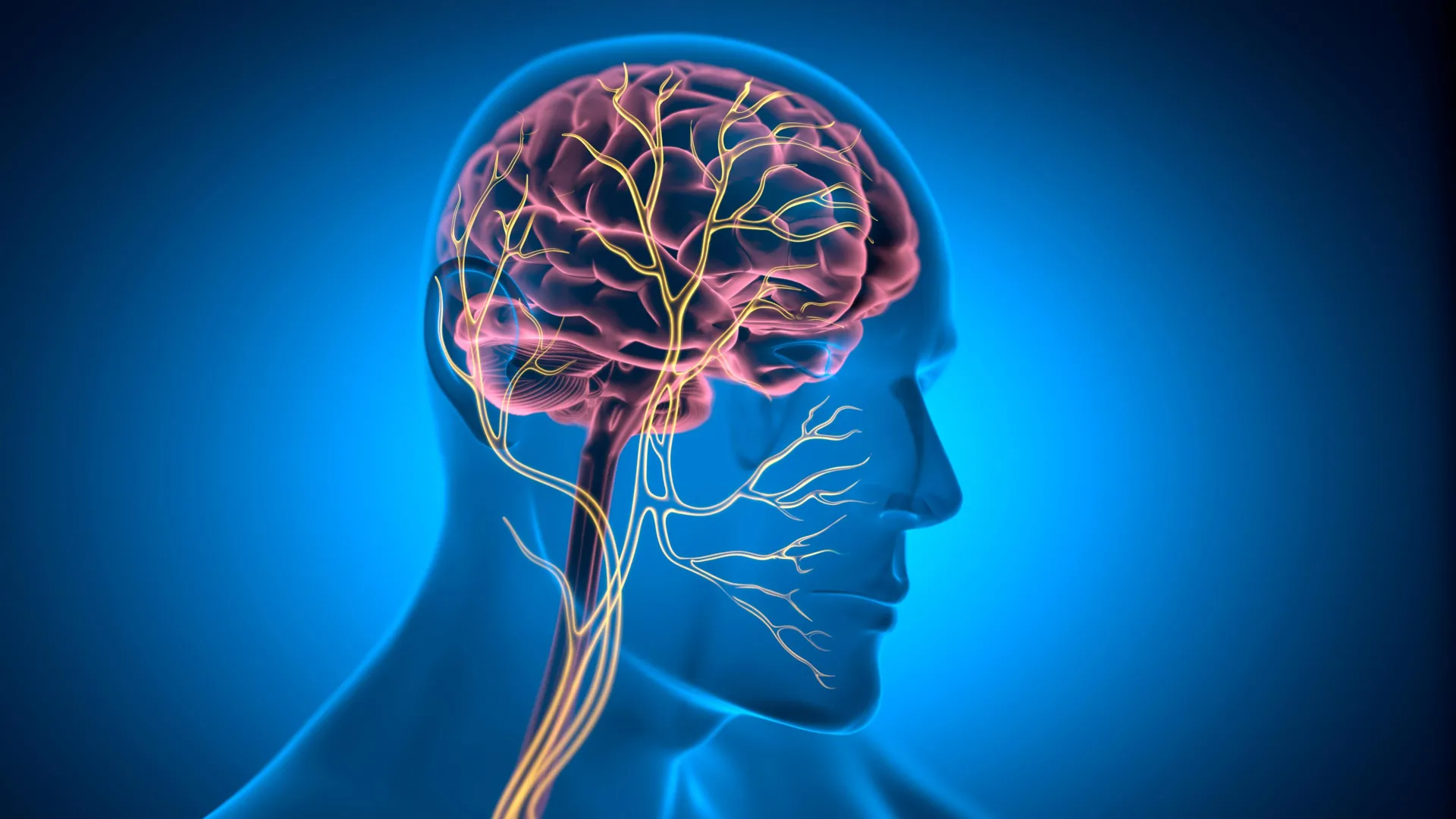
The integrity of the vagus nerve, a key component of the parasympathetic nervous system, has long been recognized for its widespread influence over numerous physiological processes, from regulating digestion and respiration to modulating immune responses and controlling heart rate variability. Its intricate network extends from the brainstem, descending through the neck and chest, to innervate vital organs, including the heart. The cardiac branches of the vagus nerve release neurotransmitters, primarily acetylcholine, which act to slow heart rate, reduce myocardial contractility, and exert anti-inflammatory effects. However, the precise mechanisms through which vagal innervation influences the aging process of the heart, beyond its acute regulatory functions, remained less understood until this recent revelation. The research highlights that a breakdown in these vital neural communication pathways precipitates an accelerated aging phenotype within the cardiac muscle, manifesting as detrimental structural and functional remodeling.
Professor Vincenzo Lionetti, who leads the Translational Critical Care Unit (TrancriLab) within the Interdisciplinary Research Center Health Science, articulated the severity of this neural disconnection, stating that "When the integrity of the connection to the vagus nerve is lost, the heart ages more rapidly." This observation underscores a critical vulnerability in cardiovascular health that could potentially be addressed through targeted interventions. The study’s innovative approach did not merely identify this problem but also offered a tangible pathway toward its resolution, marking a significant stride in preventive cardiology. Anar Dushpanova, a cardiologist at TrancriLab and a contributor to the study, further elaborated on the surprisingly potent effects of even partial restoration. She noted that "Even partial restoration of the connection between the right vagus nerve and the heart is sufficient to counteract the mechanisms of remodelling and preserve effective cardiac contractility." This finding is particularly encouraging, as it suggests that complete regeneration of complex neural pathways may not be a prerequisite for therapeutic benefit, potentially simplifying future clinical strategies.
A cornerstone of this ambitious research project was the seamless integration of diverse scientific disciplines, harmonizing cutting-edge experimental medicine with advanced bioengineering methodologies within the realm of cardiovascular research. This interdisciplinary synergy was orchestrated under the leadership of Professor Lionetti’s TrancriLab, which provided the clinical and physiological expertise, while a crucial technological advancement emerged from the Biorobotics Institute, directed by Professor Silvestro Micera. The Biorobotics Institute was responsible for conceptualizing and developing a pioneering bioabsorbable nerve conduit, an ingenious device meticulously engineered to facilitate and guide the spontaneous regeneration of the vagus nerve in the thoracic region, specifically at the level of its cardiac projections. This implantable conduit represents a significant leap forward in regenerative medicine, offering a physical scaffold and a conducive microenvironment for damaged nerve fibers to regrow and re-establish functional connections.
Eugenio Redolfi Riva, a co-author of the neuroprosthesis patent affiliated with the Biorobotics Institute, detailed the innovative design, explaining, "We have developed an implantable bioabsorbable nerve conduit designed to promote and guide the spontaneous regeneration of the thoracic vagus nerve at the cardiac level." The significance of a bioabsorbable material lies in its ability to degrade harmlessly within the body over time, eliminating the need for subsequent surgical removal. This not only reduces patient burden and surgical risks but also allows the regenerated nerve to function without interference from a permanent implant. The conduit’s sophisticated architecture is intended to mimic the natural extracellular matrix, providing biochemical cues and structural support that encourage axonal sprouting and directed growth, thereby effectively bridging gaps in damaged nerve pathways.
The extensive experimental phase of this research was conducted entirely in Pisa, leveraging substantial financial backing from the European FET (Future and Emerging Technologies) program through the NeuHeart project. Additional partial support was furnished by PNRR funds, a national recovery and resilience plan, provided by the Tuscany Health Ecosystem, underscoring both regional and international commitment to advancing critical scientific inquiry. Such an undertaking necessitated the mobilization of a vast and diverse network of leading academic and research institutions, spanning multiple countries. Key collaborators included the Scuola Normale Superiore, the University of Pisa, the Fondazione Toscana G. Monasterio, and the Institute of Clinical Physiology of the CNR, all within Italy. International partners further broadened the project’s scope and expertise, encompassing the University of Udine, GVM Care & Research, Al-Farabi Kazakh National University, the Leibniz Institute on Ageing in Jena, and the École Polytechnique Fédérale de Lausanne. This global collaborative framework facilitated a comprehensive, multi-faceted investigation, drawing on a wide spectrum of specialized knowledge in fields ranging from neurophysiology and cardiology to materials science and advanced robotics.
The collective implications of these findings are profound, poised to redefine existing paradigms in cardiothoracic and transplant surgery. Cardiac denervation, the loss of nerve supply to the heart, is a common consequence of many surgical procedures, particularly heart transplantation. In transplant recipients, the transplanted heart is typically devoid of its original vagal innervation, contributing to altered heart rate regulation and potentially accelerated aging processes in the long term. The discovery that restoring cardiac vagal innervation, even partially, can protect against age-related remodeling and preserve contractile function offers an innovative and proactive strategy for long-term heart protection. Professor Lionetti underscored this transformative potential, concluding that these results "open new perspectives for cardiothoracic and transplant surgery, suggesting that restoring cardiac vagal innervation at the time of surgery may represent an innovative strategy for long-term heart protection, shifting the clinical paradigm from managing late complications associated with premature cardiac aging to their prevention."
This paradigm shift signifies a move from reactive management of cardiac aging complications to a preventative approach, aiming to preserve the heart’s youthful attributes from the outset. For patients undergoing heart transplantation, for example, the integration of a bioabsorbable vagal nerve conduit during the initial surgery could potentially mitigate the long-term consequences of denervation, improving graft survival and overall patient quality of life. Beyond transplantation, the principles derived from this research could extend to other forms of cardiac surgery where vagal nerve integrity might be compromised, offering a novel avenue for enhancing post-operative recovery and long-term cardiac health. The development of such targeted neuro-regenerative therapies represents a frontier in personalized medicine, tailoring interventions to restore specific neural functions crucial for organ health. Further research will undoubtedly focus on refining the bioengineering aspects of the conduit, optimizing surgical techniques for implantation, and conducting clinical trials to validate these promising preclinical findings in human patients. This collaborative, interdisciplinary endeavor truly exemplifies how cutting-edge science can illuminate fundamental biological processes and simultaneously pave the way for revolutionary clinical applications that promise to extend the healthy lifespan of the human heart.
About the Author