In the dynamic and often complex landscape of large-scale restaurant operations, the choice of ingredients can significantly impact a brand’s reputation and customer loyalty. While many establishments, particularly those with extensive footprints, opt for cost-effective alternatives to genuine dairy products, a select group of prominent chain restaurants maintains a steadfast commitment to utilizing real butter. This deliberate ingredient selection is often rooted in a pursuit of superior flavor, texture, and an authentic culinary experience that resonates deeply with discerning diners. The distinction between real butter and its substitutes, such as margarine or butter-flavored oil, extends beyond mere nomenclature; it involves fundamental differences in composition, melting properties, and the nuanced sensory contributions each brings to a dish. For many consumers, the rich, creamy, and inherently complex taste of real butter is an indispensable component of classic comfort foods and gourmet preparations alike. Its presence signals a dedication to quality that can set a restaurant apart in a highly competitive market.
The culinary significance of real butter cannot be overstated. Derived directly from churned milk or cream, butter is an emulsion of water in butterfat, typically containing around 80% fat, with the remainder consisting of water and milk solids. This unique composition provides a distinctive mouthfeel, a lower smoke point that allows for browning and the development of nutty, caramelized notes (known as beurre noisette), and a capacity to carry and enhance other flavors. In contrast, many butter alternatives are primarily composed of vegetable oils, often hydrogenated, which can result in a different fat profile, a greasier texture, and a less complex, sometimes artificial taste. Consumers increasingly prioritize transparency in food sourcing and preparation, leading to a heightened appreciation for establishments that prioritize natural, high-quality ingredients. For restaurants, especially those serving traditional American fare or premium proteins, real butter becomes a critical element in delivering on customer expectations for taste and authenticity.
Ruth’s Chris Steak House: The Art of the Sizzle
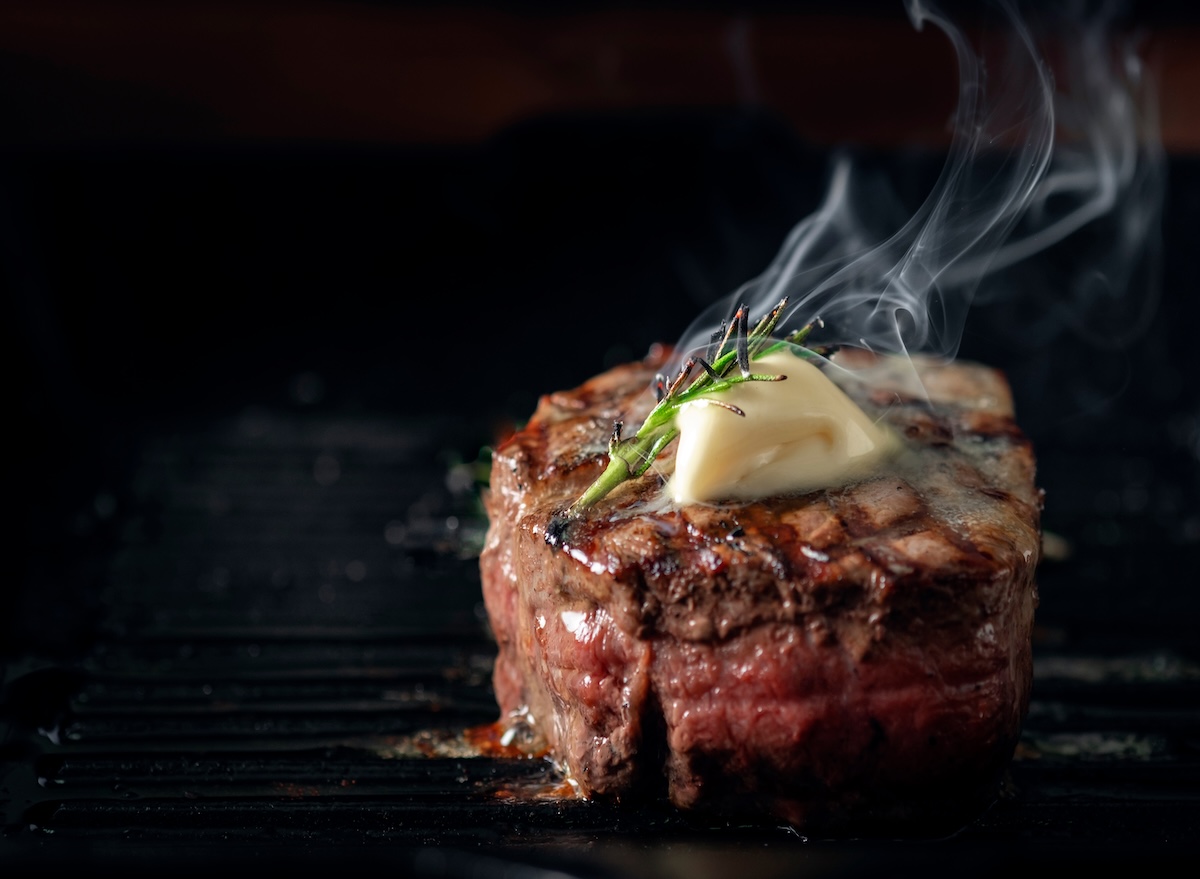
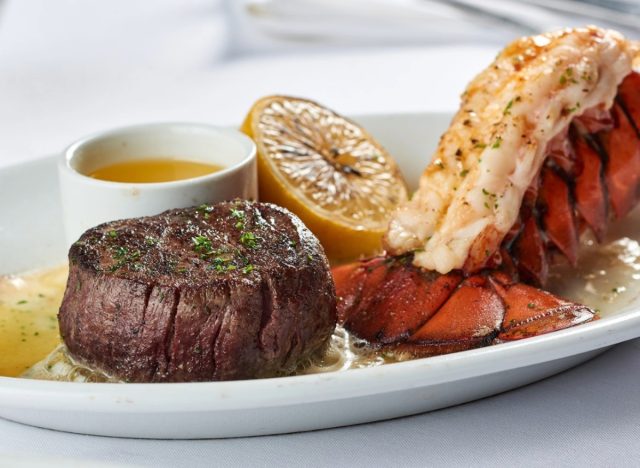
Among establishments renowned for their commitment to premium ingredients, Ruth’s Chris Steak House stands out. A staple in the fine dining steakhouse segment, Ruth’s Chris has cultivated a reputation for delivering an exceptional steak experience, where the use of real butter is central to its signature presentation. Diners at Ruth’s Chris are greeted by the distinctive sizzle of their steak arriving on a superheated plate, a hallmark of the brand. This dramatic effect is achieved through a meticulous process: prime cuts of beef, often USDA Prime, are cooked to perfection and then, just before serving, a dollop of clarified butter is placed atop the sizzling hot steak. The extreme temperature of the plate immediately melts the butter, creating an aromatic cloud and a glistening, flavorful coating that permeates the meat. This technique, reportedly dating back to the restaurant’s origins in New Orleans, not only adds a rich, luxurious flavor but also keeps the steak warm throughout the meal, enhancing the overall sensory experience. The choice of clarified butter, which has had its milk solids and water removed, ensures a cleaner, purer butterfat flavor and prevents burning at the high temperatures required for the signature sizzle. This dedication to a specific, high-quality butter application underscores Ruth’s Chris’s unwavering commitment to culinary excellence.
Outback Steakhouse: Enhancing the Australian Grill
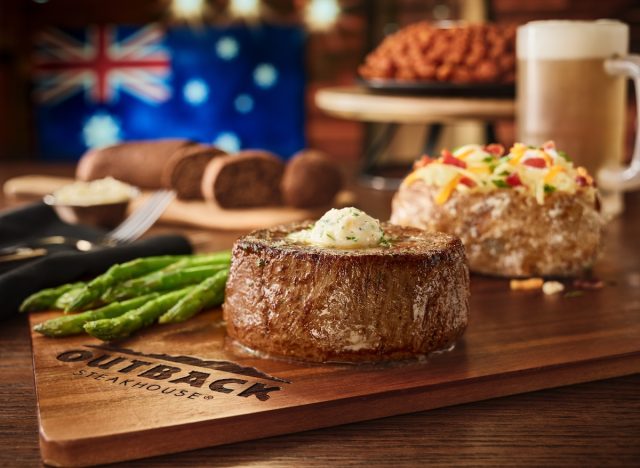
Even within the more casual dining sphere, the commitment to real butter remains a key differentiator for some chains. Outback Steakhouse, with its distinctive Australian-themed ambiance and focus on grilled meats, is another prominent example. The restaurant chain, widely recognized for its diverse menu of steaks, chicken, and seafood, actively incorporates real butter into its cooking processes. According to insights from culinary professionals associated with the brand, Outback chefs frequently utilize butter when preparing their various cuts of meat. This practice goes beyond a simple finishing touch; cooking the steak directly in butter contributes significantly to its succulence and flavor development. As the butter gently browns in the pan, it imparts a nutty, complex aroma and taste that complements the inherent richness of the beef. This method ensures that the steaks develop a desirable crust while remaining tender and moist inside, creating a satisfying texture and depth of flavor that diners have come to expect. The integration of real butter into their fundamental cooking techniques highlights Outback’s strategy to elevate the standard chain steakhouse experience through thoughtful ingredient choices.
Red Lobster: The Essential Accompaniment to Seafood
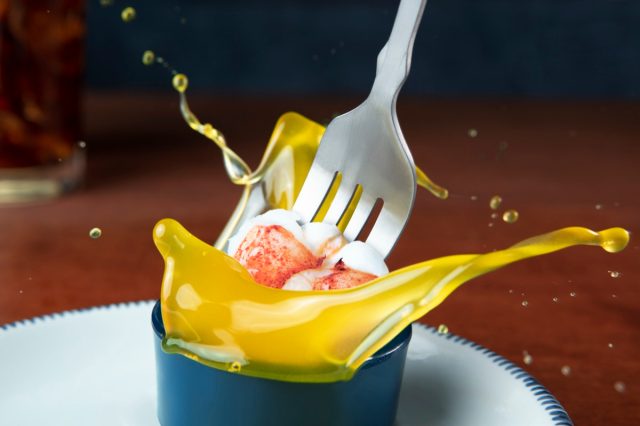
For certain categories of cuisine, real butter is not merely an enhancement but an absolute necessity. Seafood, particularly shellfish, exemplifies this principle, and Red Lobster, a leading casual dining seafood chain, fully embraces this culinary truth. The experience of enjoying steamed lobster, crab legs, or shrimp is often considered incomplete without a ramekin of warm, melted butter for dipping. Red Lobster has explicitly acknowledged and celebrated this customer expectation, often using social media platforms to affirm its commitment to serving genuine butter. Campaigns and customer interactions frequently highlight the indispensable pairing of their fresh seafood with pure, melted dairy butter. This is particularly true during special events like "Lobsterfest," where the abundance of shellfish naturally calls for its traditional companion. The richness and creaminess of melted butter beautifully cut through the briny notes of lobster and crab, adding a layer of indulgence and enhancing the natural sweetness of the seafood. For Red Lobster, providing real butter is not just about flavor; it’s about fulfilling a time-honored tradition and delivering the authentic seafood dining experience that patrons crave.
Cracker Barrel Old Country Store: Homestyle Comfort
Shifting from high-end steaks and seafood, real butter also plays a pivotal role in delivering the comforting, nostalgic flavors of homestyle cooking. Cracker Barrel Old Country Store, with its unique blend of restaurant and retail, has built its brand around providing a consistent experience of Southern hospitality and traditional American fare. For a chain deeply rooted in breakfast and hearty country meals, the use of real butter is foundational, especially for staples like their buttermilk biscuits. Cracker Barrel proudly features real butter as an accompaniment to many of its signature dishes, explicitly mentioning it as part of their "Old Timer’s Breakfast," a quintessential offering that includes farm-fresh eggs, grits, and a choice of meats. The warm buttermilk biscuits, served fresh from the oven, are paired with real butter and a selection of preserves and jams, emphasizing a commitment to classic flavors. This choice reinforces the perception of Cracker Barrel as a place where food is prepared with care and authenticity, mirroring the quality one might find in a home kitchen. The presence of real butter contributes significantly to the overall comfort and authenticity that defines the Cracker Barrel dining experience.
Biscuit Belly: Artisanal Breakfast Craft
In the burgeoning breakfast and brunch segment, specialized concepts are emerging that place a premium on artisanal ingredients and preparation techniques. Biscuit Belly, a rapidly growing chain focused on gourmet biscuits, exemplifies this trend by integrating real butter into its core product. Given the name, it’s no surprise that the quality of their biscuits is paramount, and butter is a critical component in achieving their desired flavor and texture. Hannah McClain, the Director of Culinary Training & Operations at Biscuit Belly, has shed light on their meticulous approach to butter application. Instead of incorporating butter before baking, which carries the risk of it burning during the high-temperature cooking process, Biscuit Belly often recommends brushing the warm, freshly baked biscuits with butter immediately after they emerge from the oven. This post-baking application ensures that the butter melts beautifully into the tender, flaky layers of the biscuit, imparting a pure, unadulterated butter flavor and a glossy finish without any burnt notes. This strategic use of real butter showcases a sophisticated understanding of how to maximize its impact, contributing to the distinct quality and appeal of Biscuit Belly’s offerings.
McDonald’s: Breakfast Staples at Scale
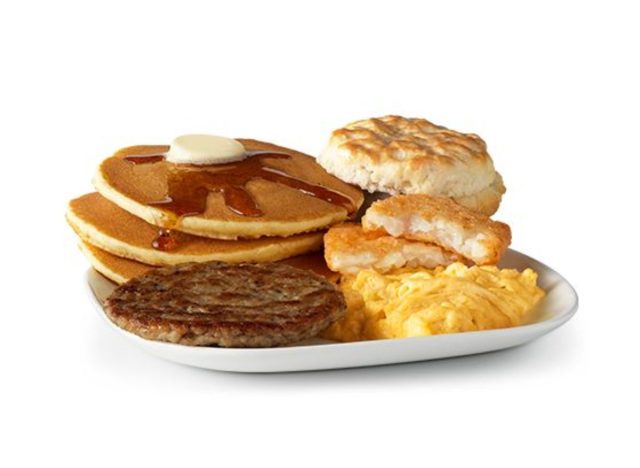
Perhaps surprisingly, even global fast-food giants like McDonald’s have made explicit commitments to using real butter in certain menu categories, particularly within their breakfast lineup. Despite the immense scale of their operations and the constant pressure to optimize costs, McDonald’s recognizes the importance of genuine ingredients for key breakfast items. The company has publicly affirmed its use of real butter on components such as English muffins, biscuits, and bagels that form the foundation of many of their morning meals. This decision underscores the widespread consumer expectation for authentic dairy products in traditional breakfast fare. For millions of customers worldwide, the taste of real butter on a toasted English muffin or a fluffy biscuit is an essential part of their morning routine. McDonald’s strategic choice to incorporate real butter, akin to how individuals might prepare toast at home, aims to deliver a familiar and comforting taste experience that resonates with their vast customer base. This commitment, particularly notable for a chain of McDonald’s size, highlights the powerful role real butter plays in shaping consumer perception of quality, even in a fast-paced environment.
Tim Hortons: The Canadian Coffee Icon
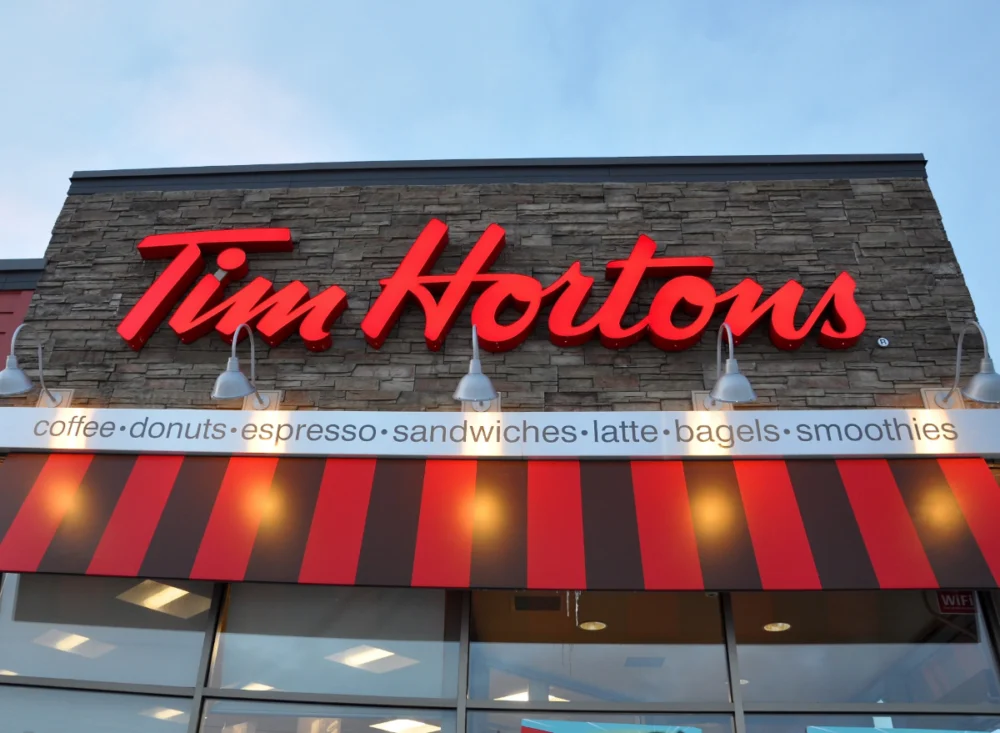
Across the border, Tim Hortons, Canada’s iconic coffee and baked goods chain, also maintains a policy of serving real butter with its breakfast items. For many, a trip to Tim Hortons for a coffee and a fresh bagel or biscuit is a daily ritual, and the quality of these simple accompaniments is crucial. While the specific brand of butter provided in their individual packets or used in their kitchens may vary by market, customer discussions and internal practices confirm that it is indeed real dairy butter. Online forums and social media threads often feature patrons expressing their fondness for the butter served at Tim Hortons, sometimes noting its "whipped" or "fluffy" texture, which makes it particularly enjoyable on muffins and bagels. This consistent provision of real butter contributes significantly to the chain’s reputation for dependable, comforting breakfast options. For Tim Hortons, ensuring access to real butter is an integral part of maintaining the beloved taste and quality that its loyal customer base expects from their morning treats, reinforcing its status as a cornerstone of Canadian culinary culture.
In conclusion, while the industrialization of the food service sector has often led to a prevalence of ingredient substitutes, a significant number of prominent chain restaurants continue to uphold the tradition of using real butter. From the sizzling steaks of upscale steakhouses to the comforting biscuits of breakfast eateries, the decision to incorporate genuine dairy butter reflects a strategic understanding of its irreplaceable role in flavor, texture, and overall customer satisfaction. These establishments recognize that for many diners, the authenticity and rich taste of real butter are non-negotiable elements that elevate a meal from merely functional to genuinely enjoyable. As consumer demand for transparency and quality ingredients continues to grow, the commitment of these chains to real butter serves as a testament to their dedication to culinary integrity and a superior dining experience.
About the Author