Chiral Switch: Mirror-Image Amino Acid Emerges as Precision Weapon Against Tumor Proliferation
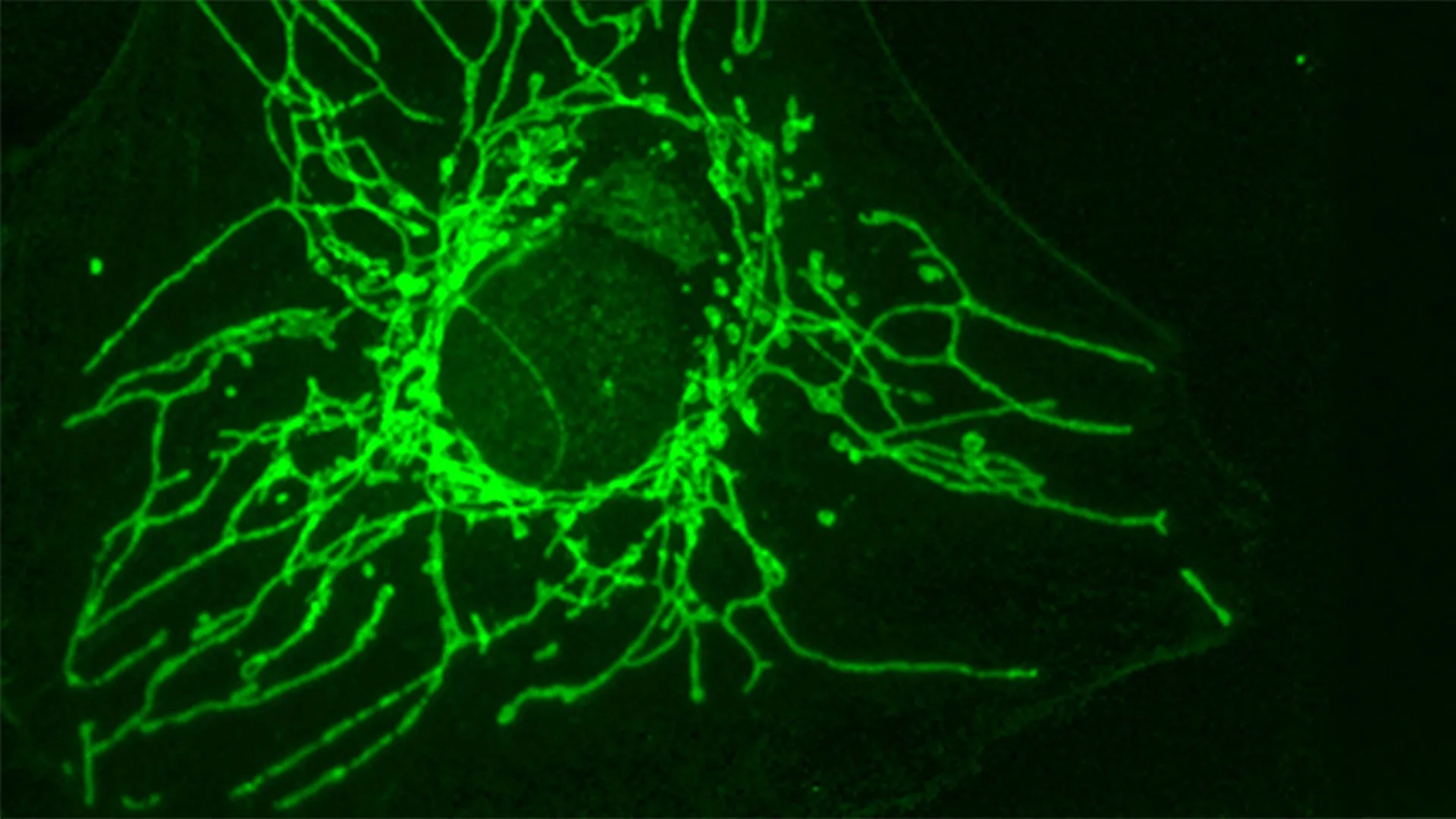
A groundbreaking international scientific endeavor, spearheaded by collaborative efforts between the Universities of Geneva (UNIGE) and Marburg, has unveiled a novel therapeutic avenue with the potential to profoundly alter the landscape of cancer treatment. The research team has identified a mirror-image form of cysteine, a naturally occurring amino acid, that exhibits a remarkable capacity to inhibit the unchecked growth of specific cancerous cells while largely sparing healthy tissues from deleterious effects. This innovative compound selectively infiltrates malignant cells, thereby interfering with fundamental biological processes crucial for their survival and replication, including cellular respiration and the synthesis of genetic material. Preliminary investigations conducted on laboratory mice afflicted with aggressive breast tumors demonstrated a significant deceleration in tumor progression, offering a compelling glimpse into the therapeutic promise of this chiral intervention. The comprehensive findings of this pivotal study have been formally documented and disseminated within the esteemed scientific journal, Nature Metabolism.
The intricate molecular architecture of life is fundamentally constructed from a diverse array of small molecular units known as amino acids, which serve as the essential building blocks for the vastly complex protein structures that underpin all biological functions within living organisms. Across the spectrum of life, from the simplest bacteria to the most complex mammals, a standard repertoire of twenty distinct amino acids is employed in the assembly of proteins. These fundamental units link together in precise sequences, akin to beads on a string, to create the functional machinery of cells and tissues.
A fascinating characteristic of many of these amino acids, including cysteine, is their inherent chirality. Chirality refers to the property of a molecule that, like a pair of human hands, exists in two distinct, non-superimposable mirror-image forms. These enantiomers, as they are scientifically termed, possess identical chemical formulas and atomic compositions but differ fundamentally in their three-dimensional spatial arrangement. In the realm of biological systems, particularly within human physiology, an overwhelming reliance is placed upon one specific configuration, designated as the L-form (levorotatory), for the construction of proteins. Conversely, the D-forms (dextrorotatory) of amino acids are far less prevalent and typically play more specialized, often non-proteinaceous roles, or are found in microbial life. This fundamental asymmetry in biological utilization forms the bedrock upon which the selective targeting strategy of the research is built.
The investigative team, under the distinguished leadership of Jean-Claude Martinou, an Honorary Professor within the Department of Molecular and Cellular Biology at the UNIGE Faculty of Science, embarked on a comprehensive exploration into the influence of various amino acid configurations on the proliferative behavior of cancer cells. Through meticulous experimentation, their research illuminated the potent anti-proliferative capabilities of the D-isomer of cysteine, henceforth referred to as D-Cys. This sulfur-containing amino acid enantiomer demonstrated a pronounced ability to arrest the growth of specific cancer cell populations in controlled laboratory settings. Crucially, parallel experiments revealed that healthy cells, when exposed to D-Cys, remained largely unaffected, underscoring the molecule’s inherent selectivity.
"The differential response observed between cancerous and healthy cells is elegantly elucidated by the specific uptake mechanism of D-Cys," elucidated Joséphine Zangari, a doctoral candidate in Professor Martinou’s laboratory and the principal author of the study. "D-Cys is predominantly internalized by cells through a specialized transporter protein that is uniquely or significantly upregulated on the surface of particular cancer cell types." She further elaborated, "Our observations indicated that when we engineered healthy cells to express this particular transporter, those cells subsequently ceased their proliferation when exposed to D-Cys, thus confirming the transporter’s critical role in mediating the molecule’s selective effect." This insight into the molecular machinery governing cellular uptake is paramount for understanding the drug’s targeted action.
Further detailed mechanistic investigations, conducted in close collaboration with Professor Roland Lill and his esteemed research group at the University of Marburg, delved into the precise molecular pathways through which D-Cys exerts its cytotoxic effects on cancer cells. The collaborative effort elucidated that D-Cys functions by inhibiting a crucial enzyme, known as NFS1, which is located within the mitochondria – the vital organelles responsible for cellular energy production. NFS1 plays an indispensable role in the biosynthesis of iron-sulfur clusters, complex molecular structures that are fundamental cofactors for a wide array of cellular processes. These processes include, but are not limited to, cellular respiration, the synthesis and repair of DNA and RNA, and the maintenance of genomic stability.
The consequence of NFS1 inhibition by D-Cys is a cascading disruption of essential cellular functions. Cancer cells, reliant on their heightened metabolic activity for rapid proliferation, experience a significant decline in their respiratory capacity. Concurrently, this disruption leads to an accumulation of DNA damage, and ultimately triggers an arrest of the cell cycle, effectively halting the uncontrolled division that characterizes malignant growth. This multi-pronged assault on fundamental cellular machinery effectively incapacitates the cancer cells, preventing their continued expansion.
To ascertain the potential efficacy of this targeted therapeutic strategy in a living organism, the researchers extended their investigations to in vivo models. They administered D-Cys to laboratory mice bearing aggressive mammary tumors, a type of cancer notoriously challenging to treat with conventional therapies. The outcomes of these preclinical trials were exceptionally encouraging. The treated animals exhibited a marked reduction in tumor growth rates, and importantly, did not display any significant adverse side effects or signs of toxicity.
"These results represent a profoundly positive indication that it is indeed feasible to leverage this inherent specificity for the targeted elimination of certain cancer cells," stated Jean-Claude Martinou, reflecting on the implications of the findings. "However, it is imperative that further rigorous research be conducted to ascertain whether D-Cys can be administered at therapeutic dosages in human patients without eliciting any untoward effects." This cautious optimism underscores the importance of comprehensive clinical evaluation.
Should subsequent clinical studies validate the safety and efficacy of D-cysteine in human subjects, it holds the potential to emerge as a remarkably straightforward and highly selective therapeutic modality. This approach would be particularly advantageous for the treatment of cancers that exhibit a pronounced upregulation of the specific transporter responsible for D-Cys internalization. Furthermore, the strategic application of this chiral molecule might also play a crucial role in the prevention of metastasis, a critical and often life-threatening phase in the progression of cancer, where tumor cells spread to distant parts of the body. The ability to interrupt these processes at a molecular level opens new avenues for improving patient outcomes and potentially developing more effective long-term disease management strategies.

Related News