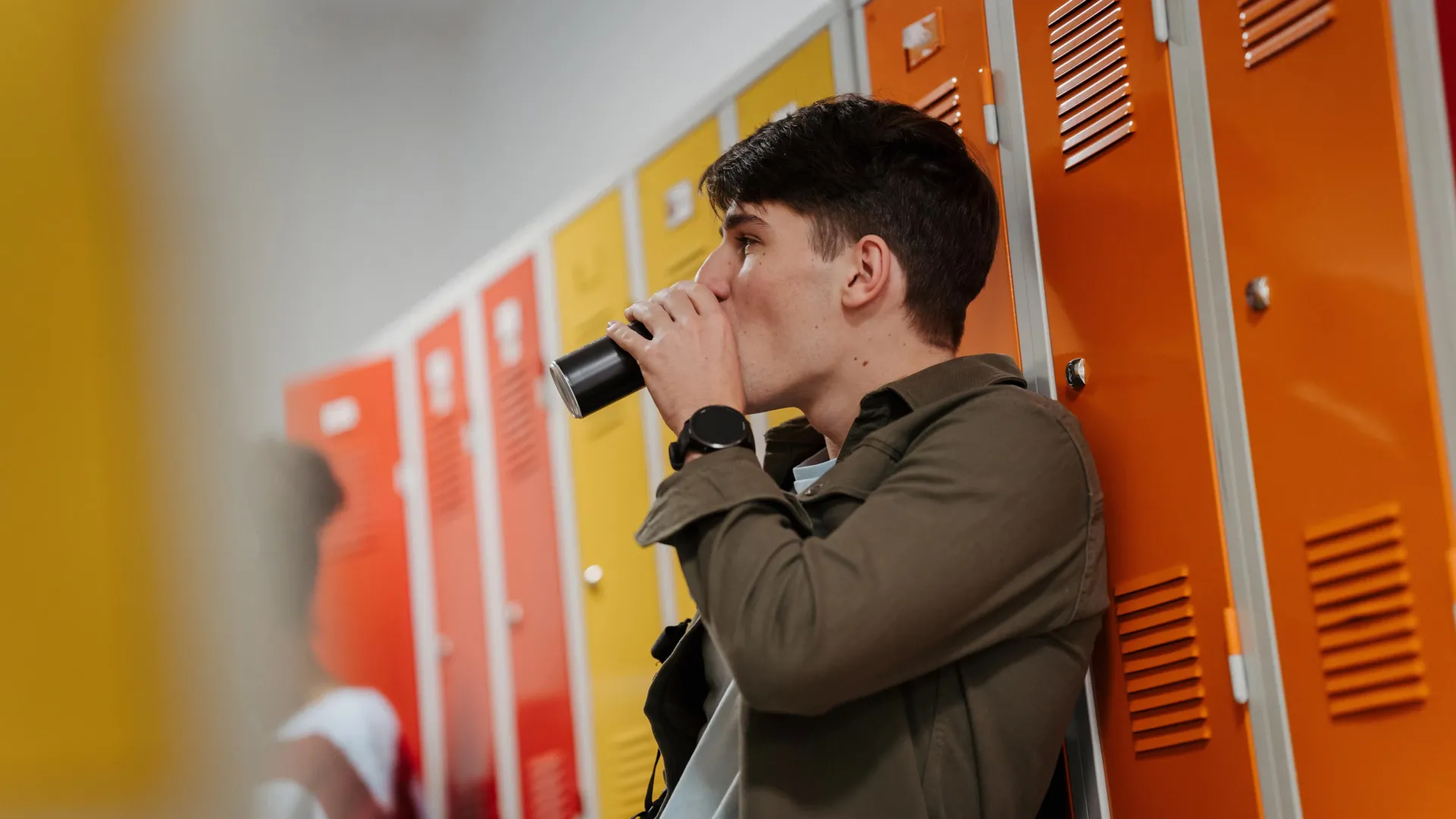
A comprehensive meta-analysis, recently published in the esteemed Journal of Human Nutrition and Dietetics, has illuminated a statistically significant correlation between the frequent consumption of sugar-laden beverages and the prevalence of anxiety-related symptoms among teenagers. This extensive research effort, a collaborative undertaking involving academics from Bournemouth University, involved a meticulous examination of numerous prior investigations into the intricate relationship between dietary patterns and the mental health landscape of adolescents. By pooling and scrutinizing the collective data from these disparate studies, the research team aimed to discern consistent patterns and emergent trends that might offer clarity on this vital public health issue.
The prevailing discourse surrounding adolescent nutrition has historically gravitated towards the more tangible and readily observable physical ramifications of suboptimal dietary choices. Public health interventions and educational campaigns have predominantly focused on mitigating the risks of conditions such as obesity and the escalating incidence of type-2 diabetes, which are directly linked to caloric surplus and poor nutrient intake. However, Dr. Chloe Casey, a Lecturer in Nutrition and a key contributor to this latest study, articulated a critical observation: "The psychological and emotional dimensions of diet have, by contrast, remained comparatively underexplored, particularly when it pertains to beverages that, while rich in energy, offer scant nutritional value." This oversight is particularly concerning given the mounting anxieties surrounding the overall well-being of young people today.
Anxiety disorders represent one of the most pervasive and debilitating mental health challenges faced by contemporary youth. Epidemiological data from recent years underscores the magnitude of this issue, with estimates suggesting that a substantial proportion of children and adolescents – approximately one in five in 2023 – are currently navigating the complexities of a diagnosed mental health disorder. Within this broad category, anxiety emerges as one of the most frequently identified and reported conditions, impacting social, academic, and personal spheres of young lives. The potential influence of modifiable lifestyle factors, such as dietary habits, therefore warrants rigorous scientific scrutiny.
The methodology employed in the constituent studies that formed the basis of this meta-analysis predominantly relied on self-reported survey data. Participants were queried about their consumption habits concerning a wide array of beverages characterized by high sugar content. This category encompasses a diverse range of popular options, including but not limited to carbonated soft drinks, energy drinks designed to boost alertness, fruit juices with added sweeteners, concentrated cordial squashes, sweetened varieties of tea and coffee, and flavored milk products. Simultaneously, these surveys aimed to quantify the presence and severity of various anxiety-related symptoms experienced by the adolescent participants. The consistent thread that emerged across the breadth of the analyzed research was a discernible pattern: a higher reported intake of these sugar-sweetened beverages was invariably linked to a greater frequency and intensity of reported anxiety symptoms within the adolescent demographic.
It is imperative to underscore a fundamental caveat inherent in this type of correlational research: association does not equate to causation. The researchers themselves have emphasized that the findings, while robust in demonstrating a link, do not definitively prove that the consumption of sugary drinks directly triggers or causes anxiety in teenagers. The meta-analytic approach, by its very nature, synthesizes findings from pre-existing studies, many of which were observational in design. Such designs are inherently limited in their capacity to establish definitive cause-and-effect relationships.
Several alternative explanations and confounding factors could contribute to the observed association. It is plausible that adolescents who are already experiencing heightened levels of anxiety may, through a complex interplay of physiological and psychological mechanisms, gravitate towards consuming more sugary beverages. This could be a coping mechanism, a means of self-soothing, or a response to changes in appetite or mood. Furthermore, a constellation of shared underlying influences might be at play, contributing independently to both increased sugar intake and the manifestation of anxiety symptoms. These could include, but are not limited to, challenging family circumstances, significant academic pressures, disruptions in sleep patterns, genetic predispositions, or other environmental stressors. These interconnected factors could create a bidirectional relationship where anxiety influences dietary choices, and potentially, dietary choices exacerbate anxiety.
"While we acknowledge that, at this juncture, we cannot definitively pinpoint the direct causal agent," Dr. Casey elaborated, "this study has undeniably identified a concerning and unhealthy nexus between the consumption of sugar-sweetened beverages and the heightened prevalence of anxiety disorders among young individuals." This finding carries significant weight given the alarming trajectory of adolescent mental health. The observed sharp increase in anxiety disorders among adolescents in recent years elevates the urgency of identifying actionable lifestyle modifications that could potentially mitigate this concerning trend. Understanding these dietary associations is a crucial step towards developing targeted public health strategies and offering informed guidance to parents, educators, and healthcare professionals.
The groundbreaking meta-analysis was spearheaded by Dr. Karim Khaled, a former PhD student at Bournemouth University, who has since transitioned to a research position at the Lebanese American University in Beirut. His leadership and the collective efforts of the research team have provided a vital piece of the puzzle in understanding the multifaceted determinants of adolescent mental health, emphasizing the need for a holistic approach that considers both physical and psychological well-being, and importantly, the nuanced role of dietary choices. The implications of this research extend beyond academic circles, potentially informing future dietary guidelines, public health campaigns, and clinical interventions aimed at supporting the mental resilience of young people. Future research endeavors may focus on longitudinal studies to better elucidate causality, explore the specific biological mechanisms by which sugar impacts mood and anxiety, and evaluate the efficacy of dietary interventions in reducing anxiety symptoms in this vulnerable population.
About the Author